![Wheat & Red -Handwoven Grain Sack Weave Pattern ll Cotton fabrics - [2.5Mtrs]](https://cdn.zyrosite.com/cdn-ecommerce/store_01K4RVTCT3BZRZX776Q9YPZK2A/assets/10f74eab-9cbe-490a-91d7-8b9c75b11307.webp)
Wheat & Red -Handwoven Grain Sack Weave Pattern ll Cotton fabrics - [2.5Mtrs]
Grain Sack Weave Pattern Twill Weave Hand-Woven Cotton Fabric
₹3575.00₹2499.00
Out of stock
Azo-Free Dyed Hand-Woven Pure Cotton Grain Sack Textured Fabrics.
Product Features:
Craft - handloom Jacquard.
Pattern - Twill.
350 GSM Fabrics.
Style -Interlacing Sack Weave.
Coarse and Open Texture.
Eco-Friendly & Sustainable.
Medium -Weight Fabric with a classic twill check pattern, carefully handwoven on a Jacquard loom,making it suitable for a wide range of stylish garments and upholstery end uses.
4 Pedal HandWoven coarse Grain Sack textured Fabrics for Garments and Upholstery.
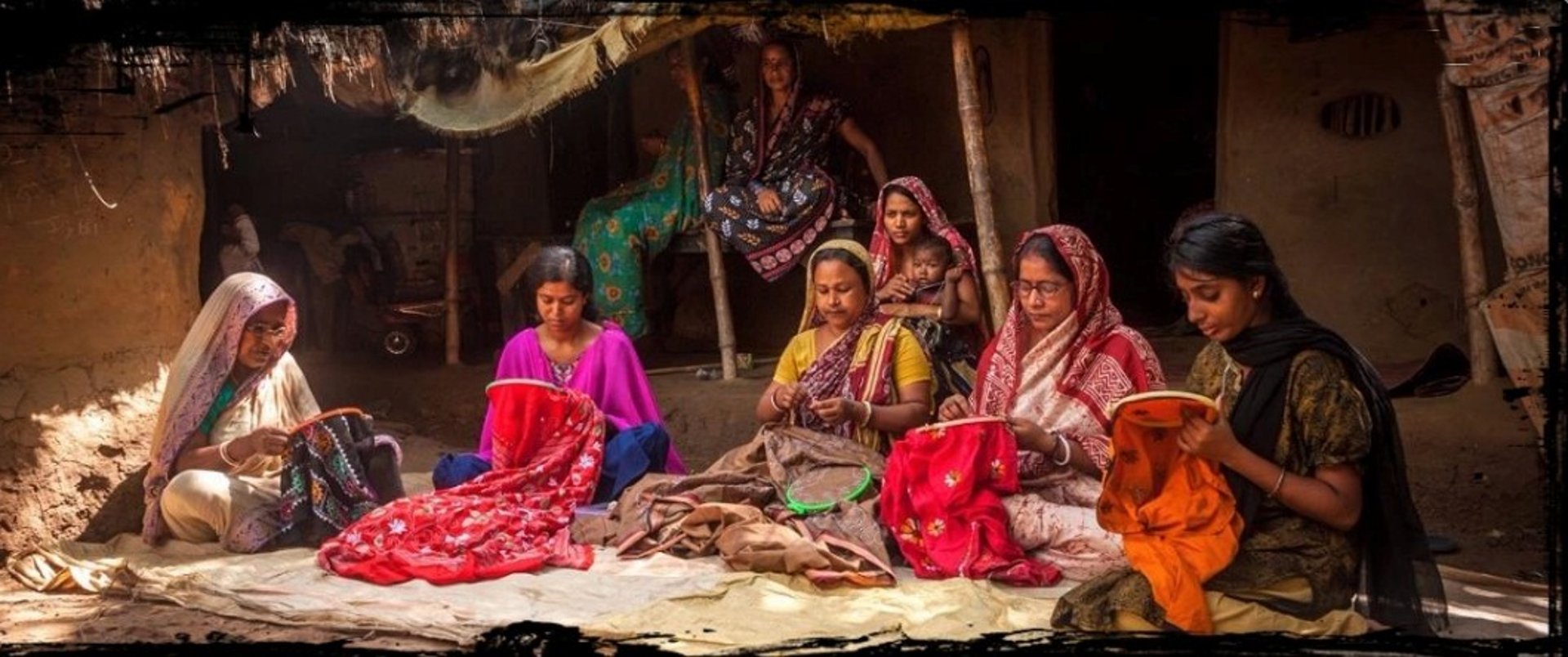
Premium Hand Spun Cotton Yarns dyed with Azo Free Dyes, expertly handwoven into fabrics perfect for a variety of garmet and even upholstery uses. The interlacing weave technique creates the unique coarse Grain Sack like texture .
Width : 45-46" inches
Fabric Count : 20 Khd DT [ Double Twist ]
GSM : 350
Reed :28
Pick : 28
Transparency : 0%
Shrinkage : 0%
All of our fabrics go through multiple washes during both the yarn and fabric production processes. This method enhances dye absorption, removes any yarn impurities, and pre-shrinks the fabric in the finishing stage to minimize additional shrinkage in the final products.
Fabric Texture/ Feel : Whether you're crafting farmhouse-style curtains or a rustic country table runner, this vintage ticking is bound to spark your creativity. Designed to exude plenty of country charm with its hand-woven stripes and tightly woven fibers, each style resembles well-loved ticking material. There's no need for dry cleaning as this fabric is easy to maintain and built for durability.
Composed mainly of organic cotton fibers (the basic fabric) and molecules of lead free dye that are embedded into and on the surface of the fibers to be absorbed by the cotton. When the fabric is dried in sunlight the dye gets trapped in the fabric yarns and creates a rich surface texture.
Width : ( 45”inches )
Length : 2.5 Mtrs
Dye type : AZO FREE !. [ Azo dyes can release potentially harmful substances like aromatic amines. Azo-free products are a safer, more sustainable alternative.]
Color : Wheat Chrome Yellow & Matt Red Duo Stripe. [ Slight difference in colour from the visible product image is possible. ].
Proudly INIDA
To preserve their beauty, Dyed fabrics require careful handling.
Washing:
Use cold water and a few drops of a mild, pH-neutral detergent.
Do not soak for long—Fabrics weakens when left in water.
Wash gently without rubbing or wringing.
Drying:
Never wring or twist Cotton to remove water. Lay flat on a clean towel and roll to absorb moisture.
Dry in shade, away from direct sunlight, which can cause fading. Avoid tumble dryers.
Ironing:
Iron on low heat (Cotton setting) while still slightly damp. Place a thin cotton cloth between the iron and the fabric.
Use steam lightly to remove wrinkles—avoid direct spray of water.
Storage:
Wrap in brown paper , avoid plastic covers.
Keep in a cool, dry place. Refold periodically to prevent permanent creases.
Here’s a brief pointwise process for how we hand dye our cotton yarns with azo-free dyes before handweaving:
1. Preparation of Cotton Yarns:
* Clean the cotton yarns by washing them with a mild detergent to remove any impurities, oils, or residues.
* Rinse thoroughly and allow the yarn to dampen but not soak.
2. Preparing Dye Bath:
* Dissolve the azo-free dye in warm water (following specific dye manufacturer's instructions).
* Adding appropriate amount of mordant like Alum (if required) to fix the dye onto the fibers (some azo-free dyes may not need a mordant).
3. Heat Setting:
* Heat the dye bath to the recommended temperature (usually between 70–90°C, depending on dye type).
* Stir gently to ensure even dye distribution throughout the yarn.
4. Dyeing the Yarn:
* Submerge the damp yarns into the dye bath.
* Stir occasionally to avoid uneven dyeing and to ensure all the yarns are thoroughly dyed.
* Keep the yarns in the dye bath for the required amount of time (usually 30 minutes to 1 hour, or as per dye instructions).
5. Rinsing and Setting Color:
* After dyeing, rinse the yarns in cold water until the water runs clear, ensuring excess dye is removed.
* If needed, apply a fixative to help set the color.
6. Drying:
* Hang the dyed yarns in a shaded, well-ventilated area to dry.
* Avoid direct sunlight to prevent fading of colors.
7. Post-dyeing Wash:
* Once dried, wash the yarns again with a mild detergent to ensure any remaining dye residues are removed.
8. Storage:
* Store the dyed yarns in a cool, dry place to maintain their color and texture until use.
This process ensures vibrant, long-lasting color while being eco-friendly by avoiding azo dyes, which can have harmful environmental impacts.
The more saturated the color, the greater the probability for the fabrics to bleed.
For the first several washes, wash items separately. Dark colors may transfer to lighter ones; it’s recommended to wash dark items separately.
Avoid exposing these fabrics to direct sunlight or intense lighting.
Keep them away from direct application of perfume and deodorant, as the alcohol content can bleach the dyes and tarnish the fabrics.
Pro Tip: Slight color bleeding during the first few washes is normal—Handle with care, and they will develop character beautifully.