Discover Unique Handloom & Handicrafts of INDIA all along Empowering the Artisans !
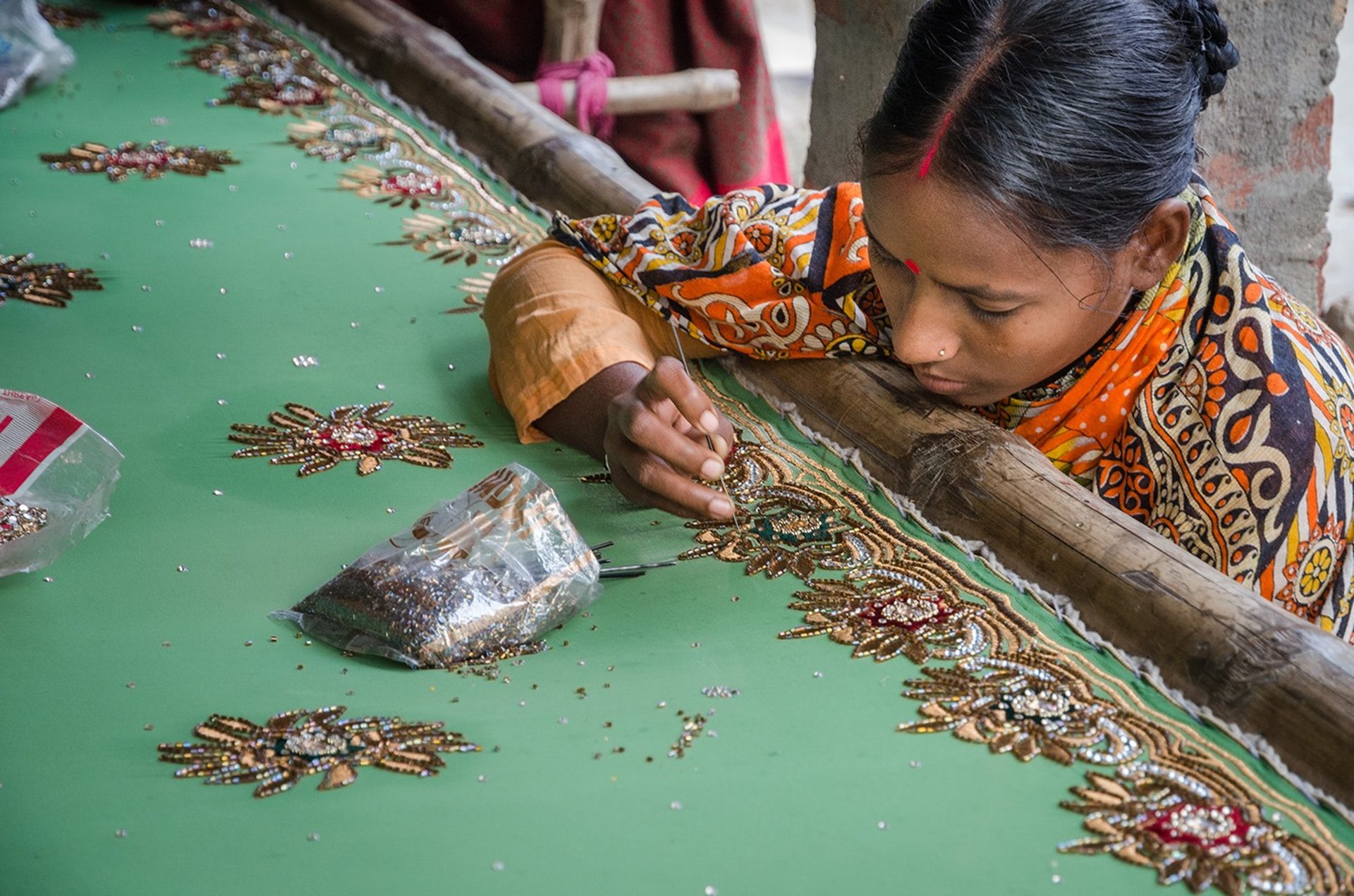
Hand Embroidery
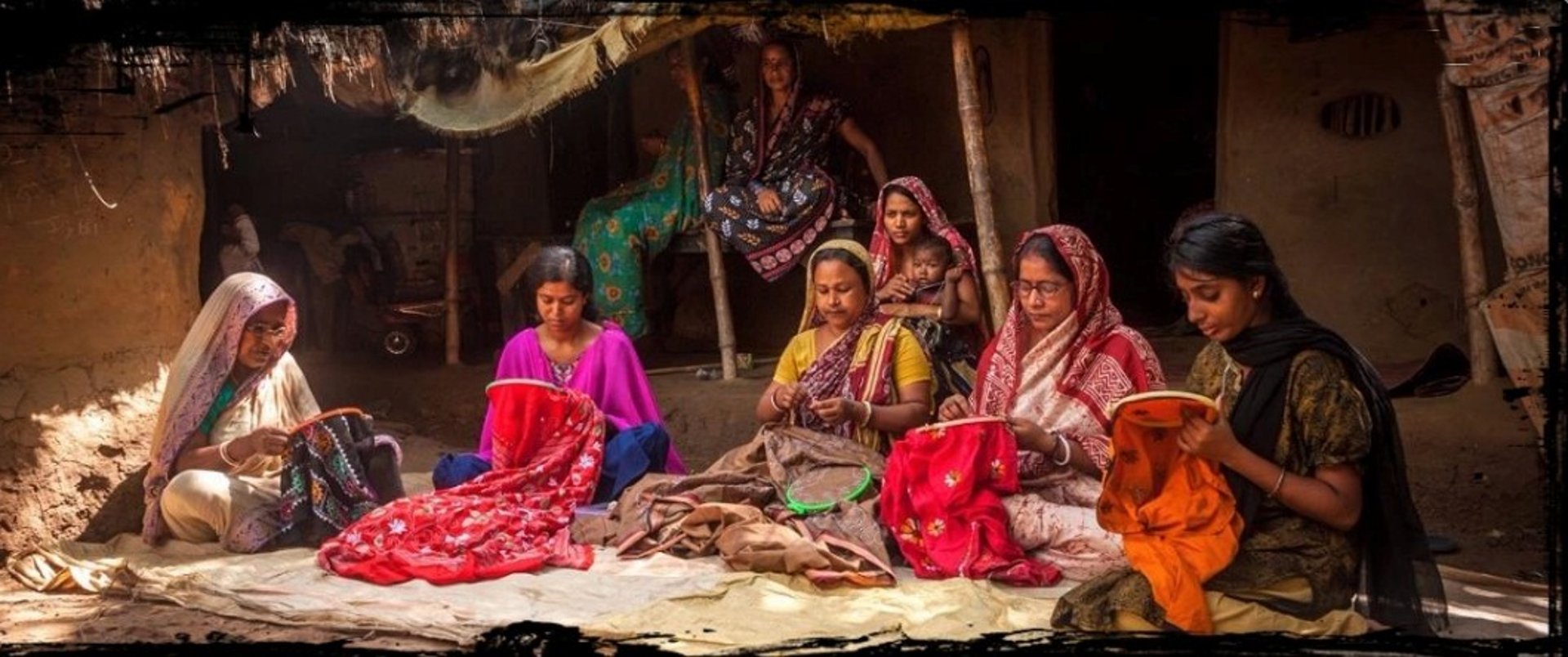
Hand Embroidered by Artisans. Celebrated by YOU !
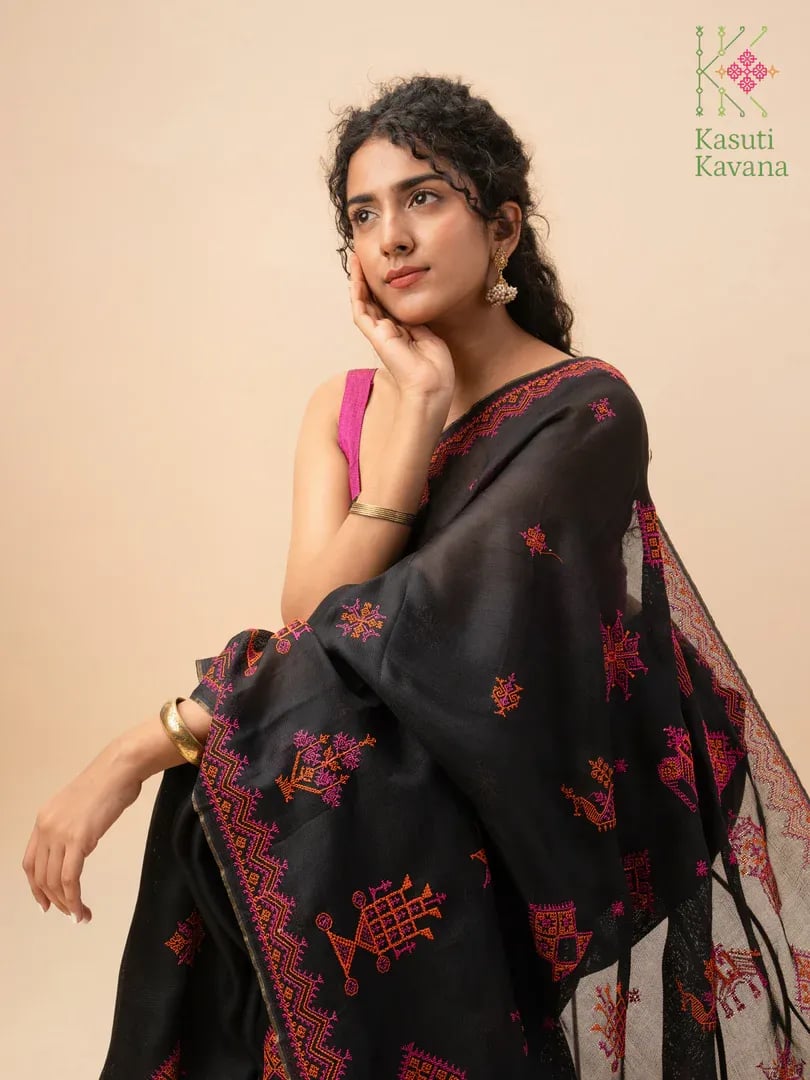
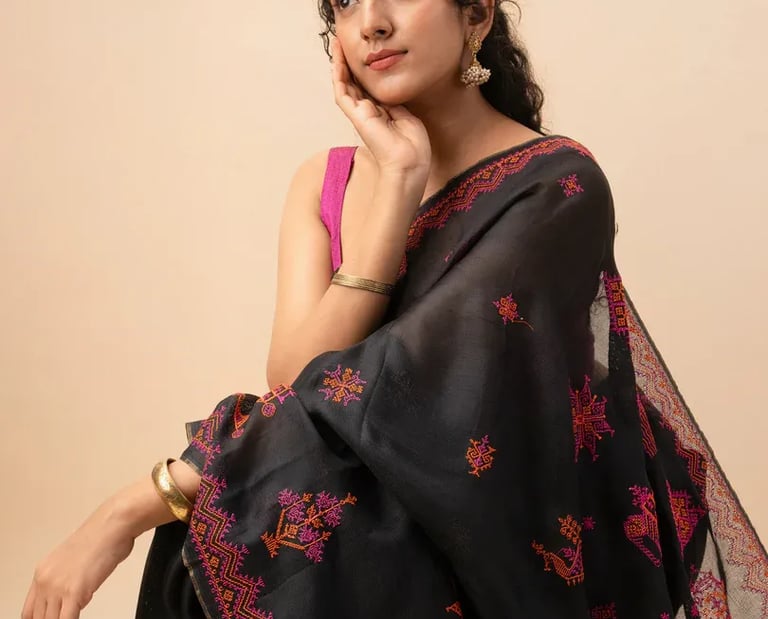
An intricate counted-thread embroidery technique dating back to the Chalukya period. It is done using a single thread, and artisans precisely count each thread on the cloth so that both sides of the fabric look perfectly identical. Common motifs include temple gopuras, chariots, and lotuses.
Kasuti - (Karnataka)
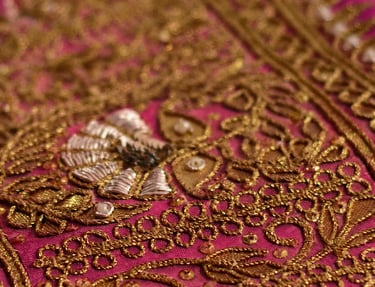
Aari Work - (Lucknow & Rajasthan)
A method of stitching that uses an awl or a hooked needle (similar to a crochet needle). The technique is performed on tightly stretched fabric, allowing artisans to quickly create highly detailed, continuous chain stitches that often secure beads and sequins.
Parsi Gara - (Gujarat & Maharashtra)
Gota Patti - (Rajasthan)
An exquisite blend of Persian and Chinese artistry brought to India by the Parsi community. These sarees and garments feature stunning, densely stitched depictions of birds, nature, and human figures, intricately handcrafted on dark silk fabrics using delicate satin stitches.
Born in Rajasthan, this embroidery technique uses zari from Lucknow to trace elaborate patterns, creating different surface textures. A magnificent form of metallic appliqué work where tiny pieces of gold or silver ribbon are cut and stitched onto brightly colored fabrics like lehengas and sarees. The ribbons are folded and shaped to form intricate floral, bird, and geometric patterns.
Every Thread Has a Story...
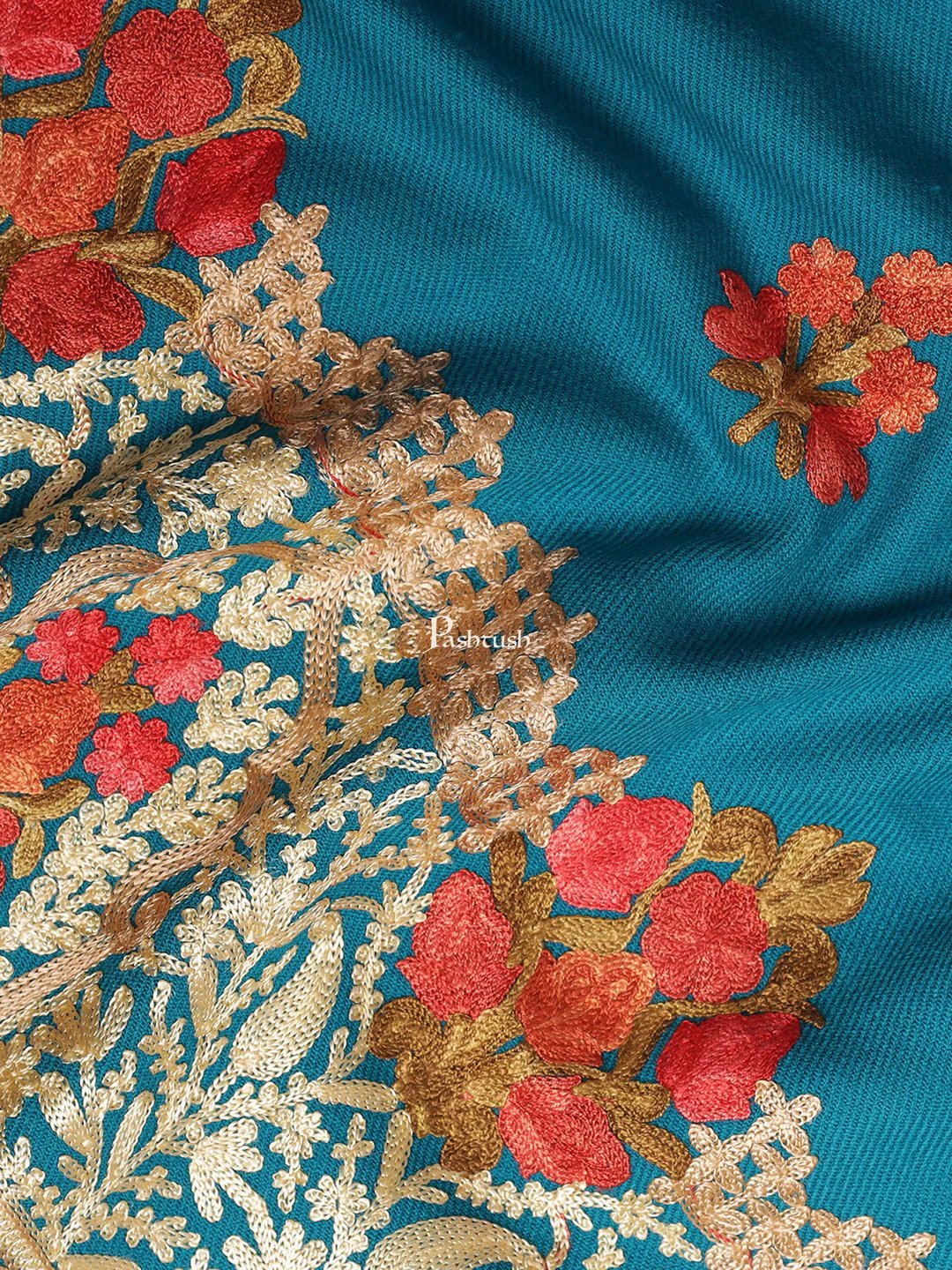
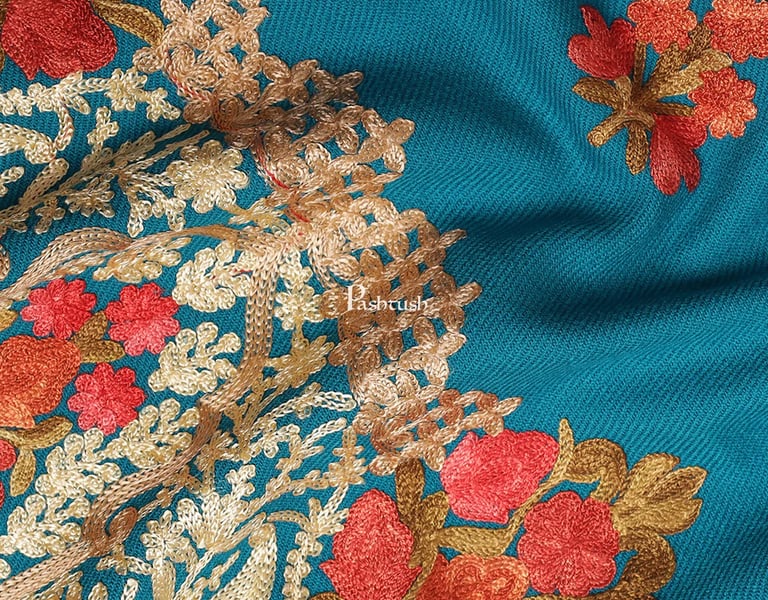
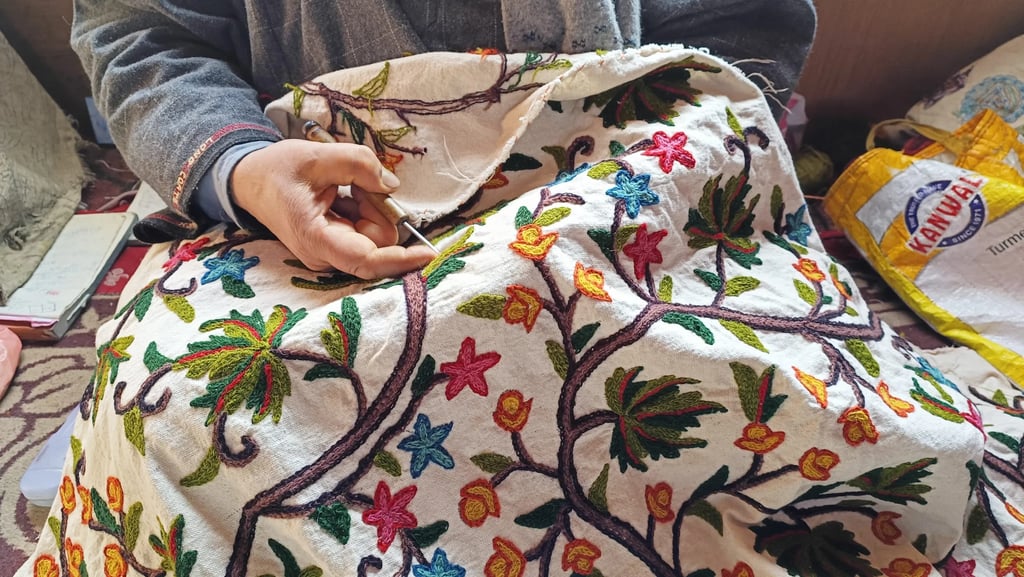
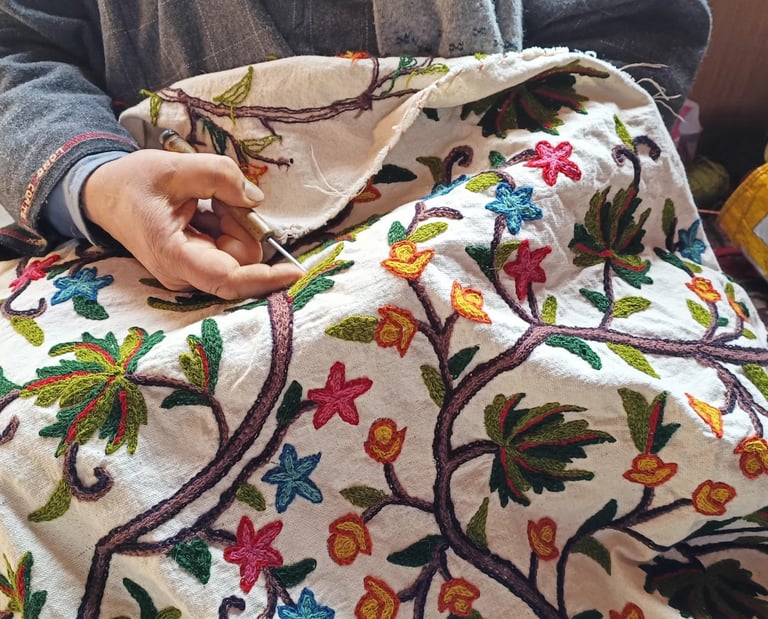
Drawing deep inspiration from the stunning natural vistas of the Kashmir valley, Kashida embroidery showcases intricate and vibrant designs depicting birds, flowers, and fruits.
This traditional form of hand embroidery, originating from Jammu and Kashmir, typically employs only one or two stitch types (most commonly the satin or stem stitch) using thick, vividly colored wool or silk threads.
Renowned for its bright colors and focus on single-stitch methods, it highlights themes inspired by nature, such as Chinar (maple) leaves, lotuses, and various birds. Its smooth and flat finish is highly praised.
Kashida - (Kashmir)
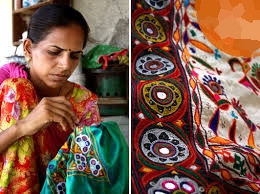
Shisha/Mirror - (Gujarat & Rajasthan)
A dazzling, textured hand-needlework technique that embeds tiny fragments of hand-blown glass or foil mirrors onto the fabric.
The mirrors are secured in place using densely woven, colorful cross or satin stitches, producing an eye-catching, sparkling effect.
Beyond solely decorative use, some communities believe mirrorwork is auspicious as a tool for warding off the evil eye, reflecting bad luck and evil spirits away from the wearer.
Lambani - (Karnataka)
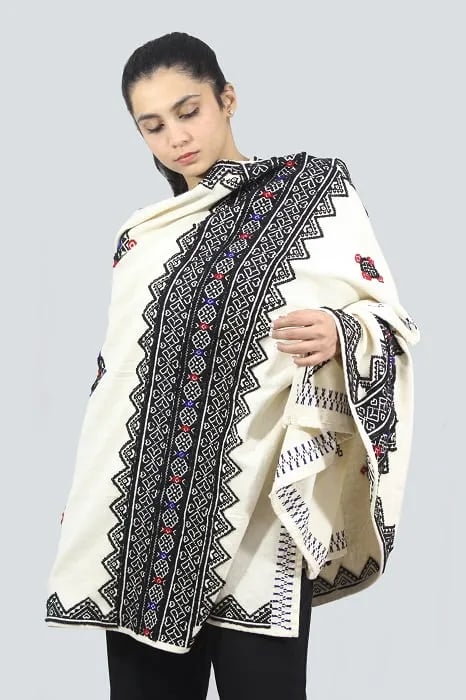
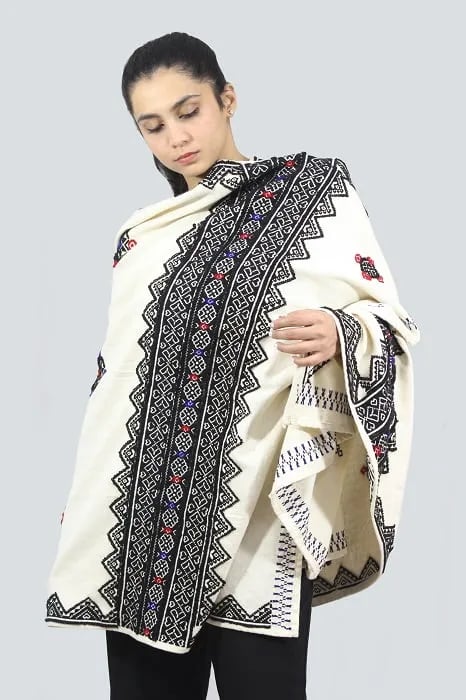
Toda - (Tamil Nadu)
Hailing from Rajasthan, the Lambani community has modified their craftsmanship in the Deccan Plateau, blending in regional elements such as Ilkal sari textiles.
They utilize a combination of 14 to 30 traditional stitches (including Kilan, Vele, Bakkya, and Maki) along with appliqué and smocking techniques, showcasing vibrant geometric designs.
Ranging from rich indigo and rustic maroon to sunlit yellows, the embroidery threads provide a striking contrast to the underlying fabric, making sure you stand out wherever you travel.
Toda embroidery originates from the Toda community in the Nilgiri Hills of Tamil Nadu. Exclusively crafted by Toda women, this art form traditionally employs black and red wool threads on a rough white fabric, showcasing designs inspired by nature and celestial elements in geometric patterns.
Reflective of their nomadic heritage, these sarees boast bold, earthy, and celebratory hues.A single stitch darning needle is utilized in a reverse stitch technique, creating a design that appears to emerge from the fabric, giving the piece a luxurious appearance.
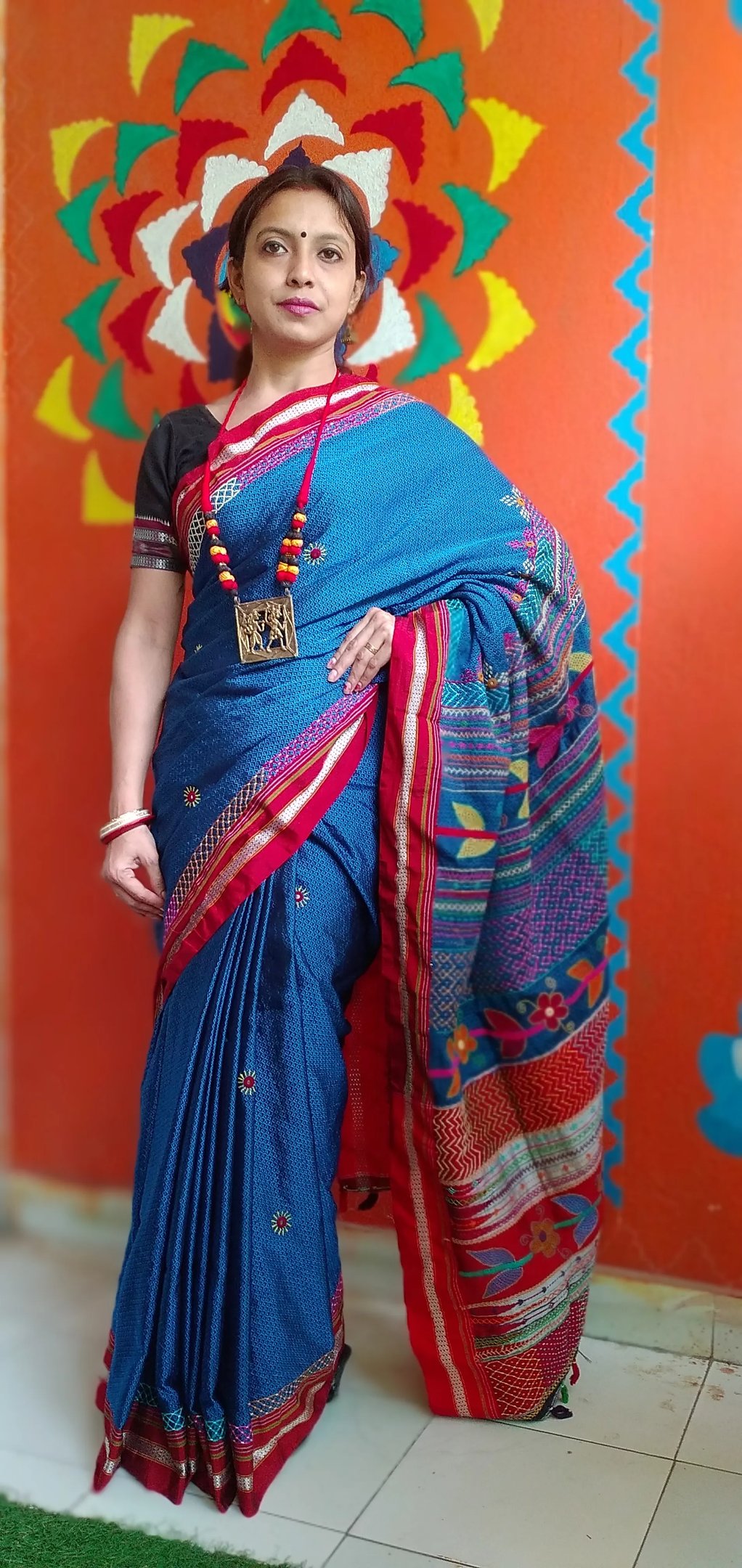
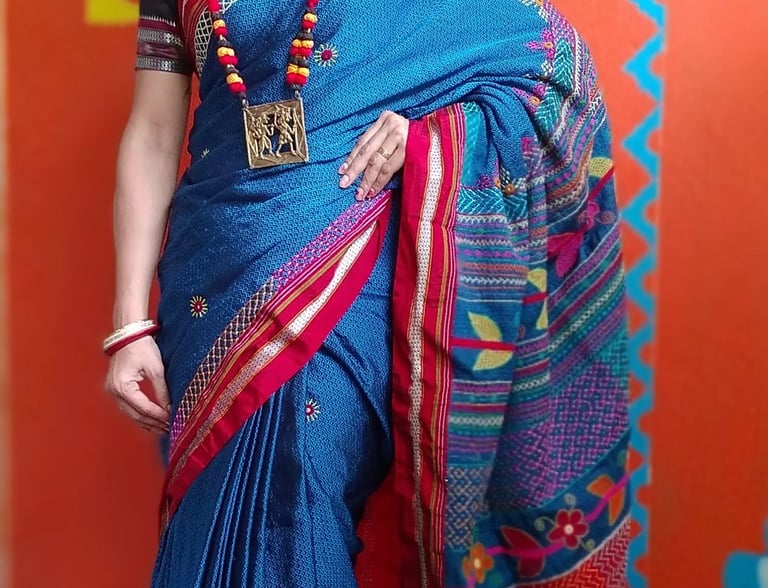
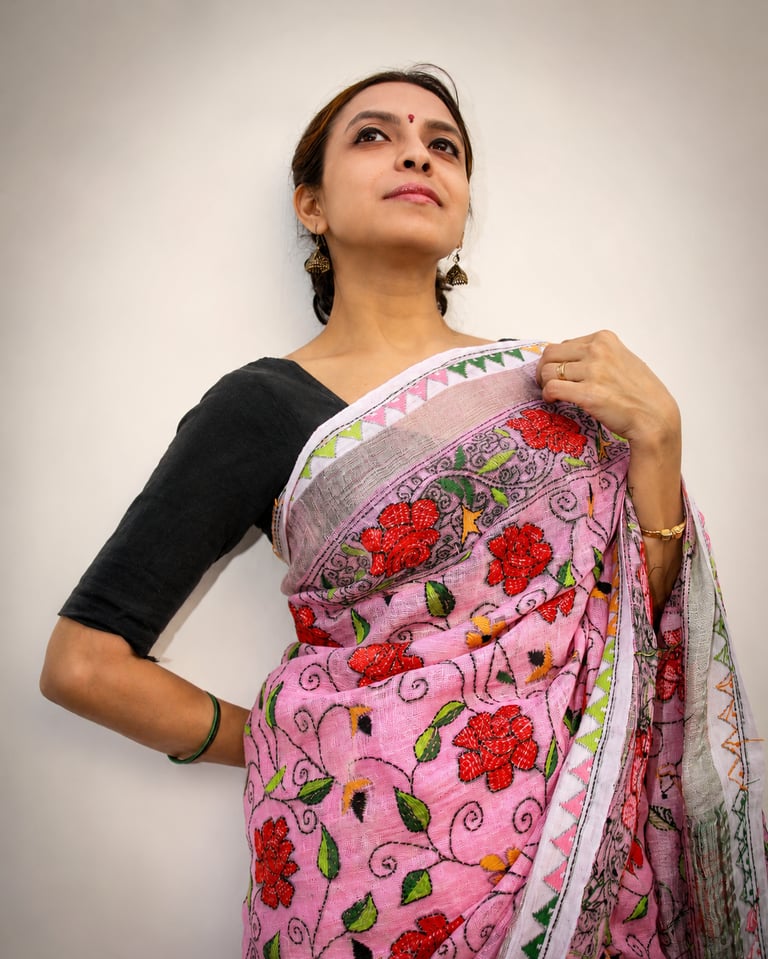
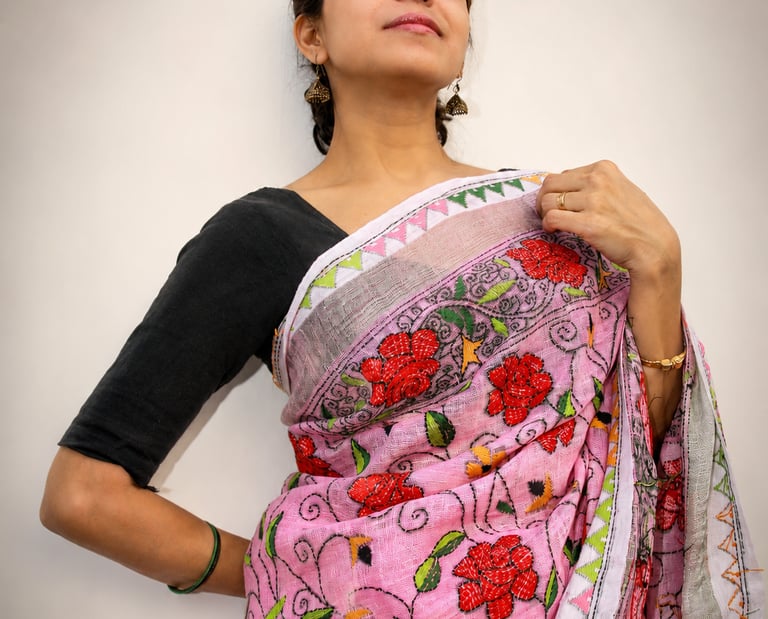
A sustainable and historic embroidery style that quilts together layers of discarded or recycled fabric using a simple running stitch. These stitched layers are then covered with vibrant, colorful thread patterns depicting nature, animals, and mythological figures.
Traditionally, the coloured embroidery thread was drawn from the borders of the old garments used to make the kantha.The kantha tradition transforms worn-out textiles that would otherwise have been thrown away into beautiful pieces with unique, personal designs.
Kantha Embroidery - West Bengal
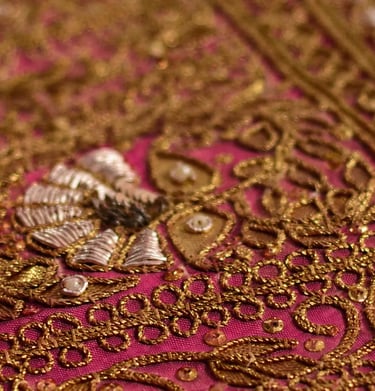
Zardozi - (Uttar Pradesh)
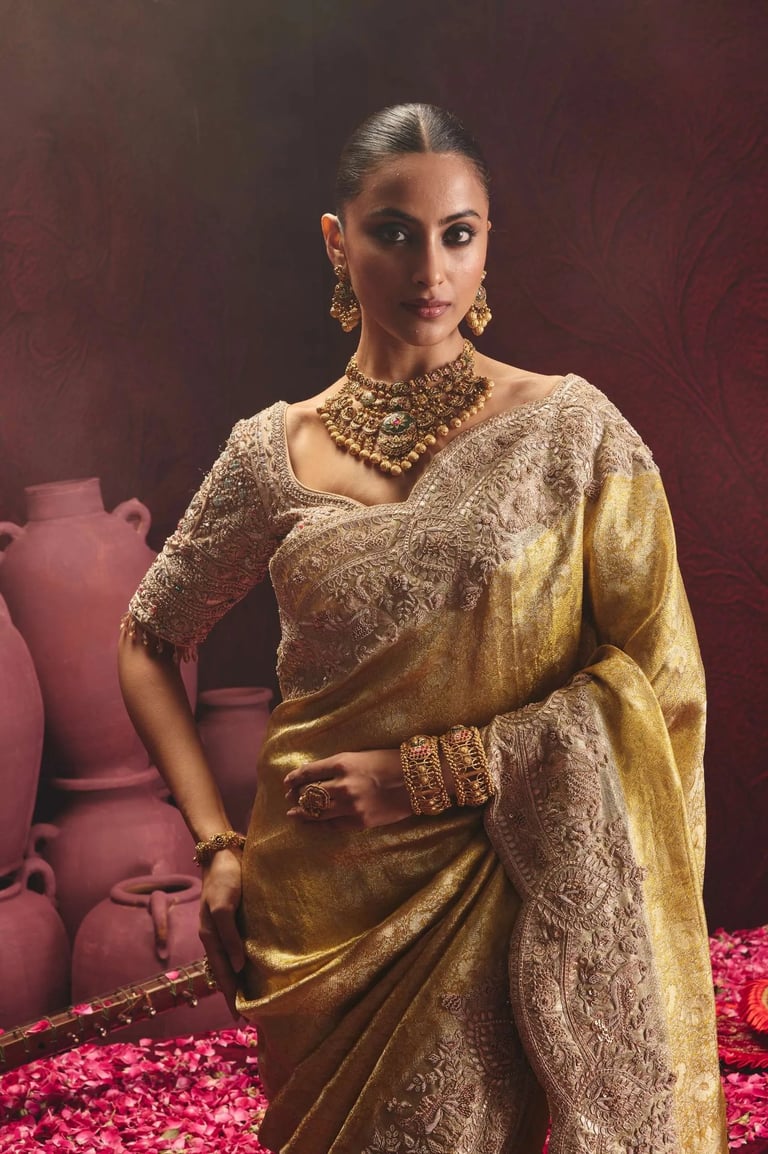
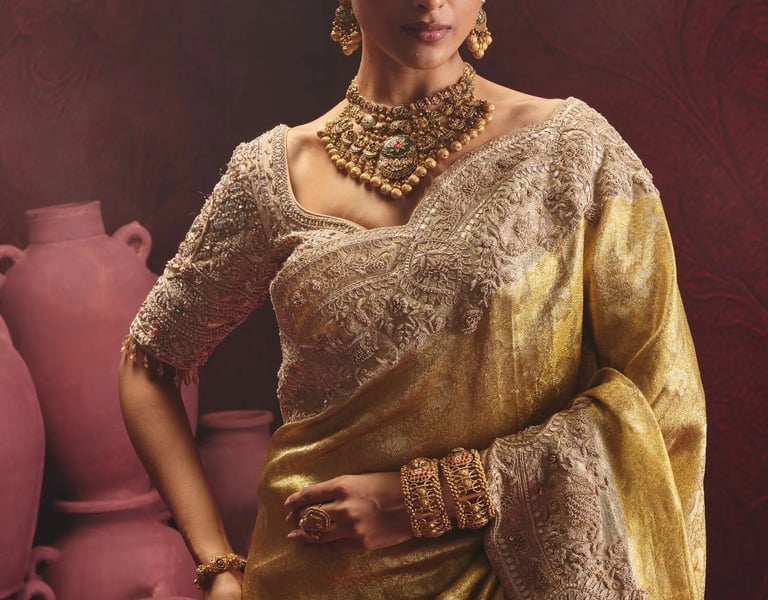
A sophisticated and opulent embroidery technique that traditionally employed actual gold and silver threads. Craftsmen twist fine metallic threads—referred to as zari—into coiled shapes to fabricate rich, lavish, and substantial textures on silks and velvets.
The term for this method originates from two words: zar (gold) and dozi (work). Zardozi represents a luxurious style of embroidery characterized by the inclusion of gold or silver wrapped threads and decorative elements.
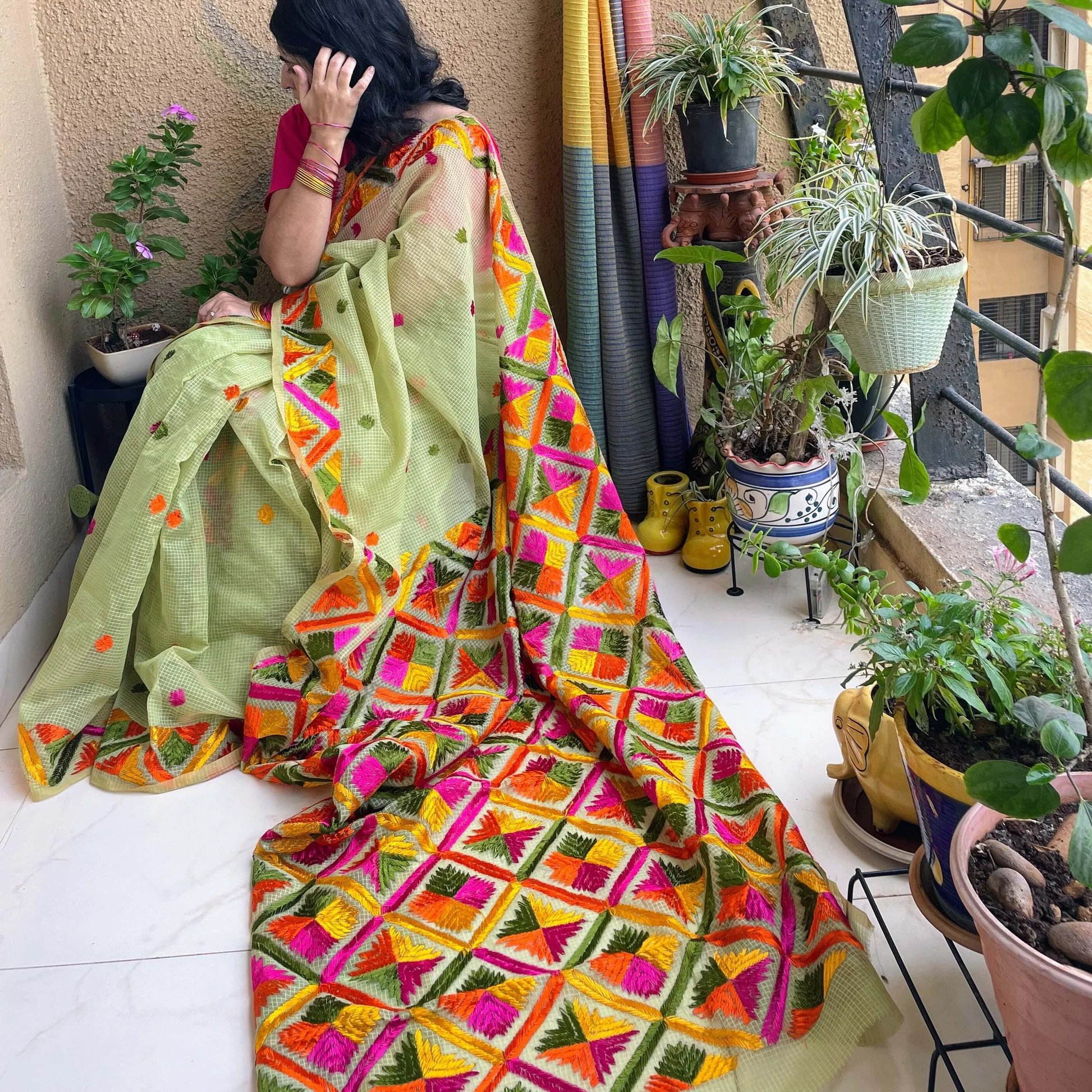
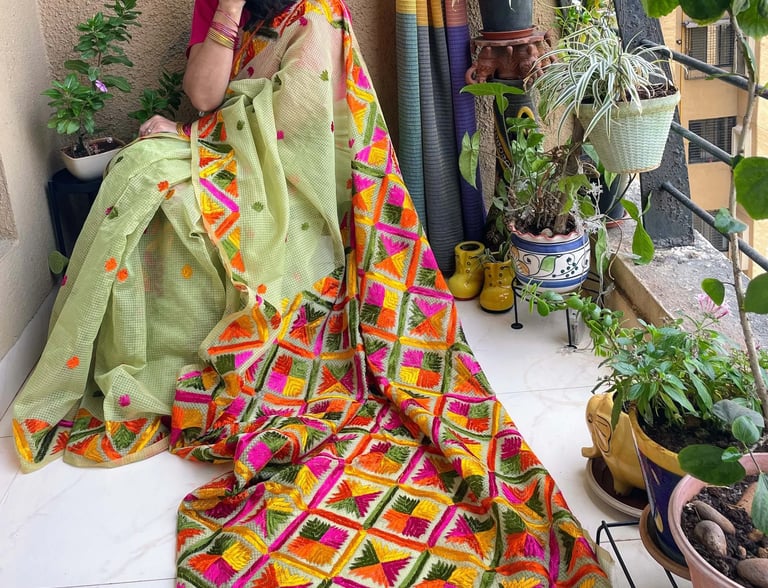
Phulkari - (Punjab)
Chikankari - (Uttar Pradesh)
Phulkari, which literally means "flower work," is a well-known embroidery technique distinguished by its bold, geometric shapes and colorful floral motifs.
This art form has its roots in the rural embroidery practices of Punjab and can be traced back to the time of Maharaja Ranjit Singh in the 15th century. It is created by stitching with a floss silk thread on the back of coarse khaddar (cotton) fabric, producing intricate patterns predominantly on shawls and dupattas.
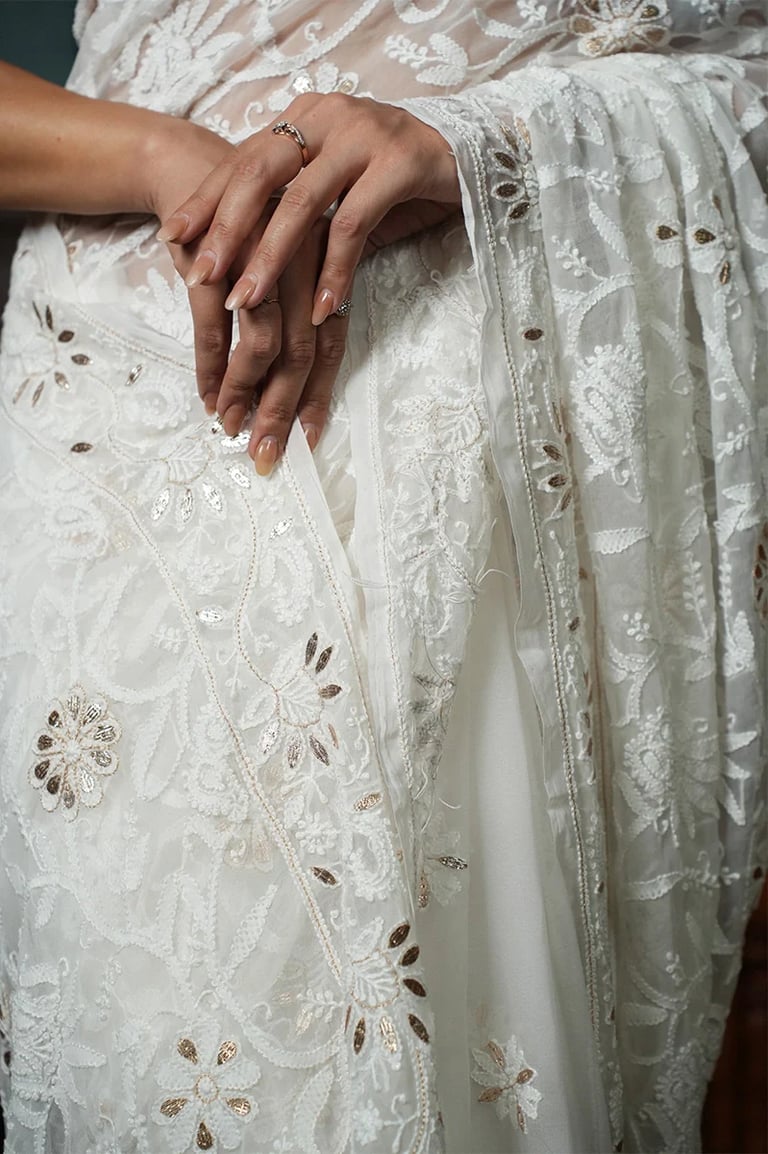
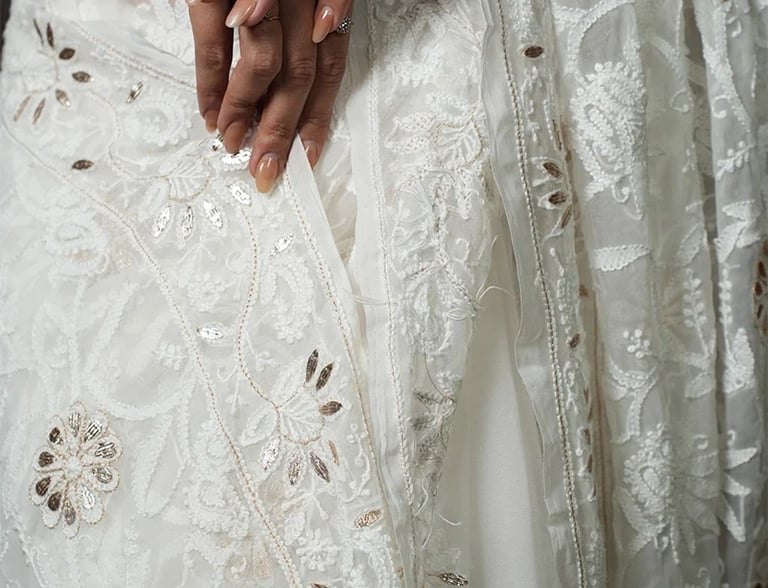
Chikankari originated from Lucknow, Uttar Pradesh. It began with intricate "white-on-white" shadow work embroidery on cloth, and now features many colours.
This intricate embroidery uses various fabrics like muslin and silk. Initially done with white threads depicting nature, it now includes coloured threads. From sarees to suits, women choose chikan embroidery for its elegance.
India’s diverse Hand Embroidery traditions vary deeply by region, reflecting the Unique Culture, Heritage, and History of their birthplaces. The most Prominent and Celebrated types of Hand Embroidery found across the Country showcase a Vibrant Mix of Techniques, Threads, and Motifs.
Project rangamaati
Helps YOU connect with Slow Sustainable Fashion over Mass-Production to SAVE Natural Resources, Raw Material and reduce Wastage and impulsive Consumption.
Established in 2013 in Kolkata, West Bengal, Project Rangamaati is a leading online craft store in India, Operating under a fully integrated inventory model. This approach ensures that all products are carefully handled and shipped directly from our Central Hub, reflecting our unwavering commitment to Authenticity and Quality. Project Rangamaati stands as a trusted authority in Traditional Indian Crafts, offering Customers an Authentic connection to India’s rich Artisanal Heritage.
Subscribe to our newsletter
sanjayg@rangamaati.com
+91-9804-219-546
© 2026. All rights reserved | Project rangamaati.
Support our Crowdfunding
May We Help You
Track Your Order
Terms & Conditions
Bulk Orders.
Quick Links
Organisation
projectrangamaati@gmail.com
Got a Question? Call

Love to hear from You
Our B2C Partners
Men's Collection
WE SUPPORT SILK, HANDLOOM & HANDICRAFTS PRODUCTS ALL ALONG PRACTISING FAIR TRADE AT A FAIR PRICE.

Press & Media
+91-8902-152-405