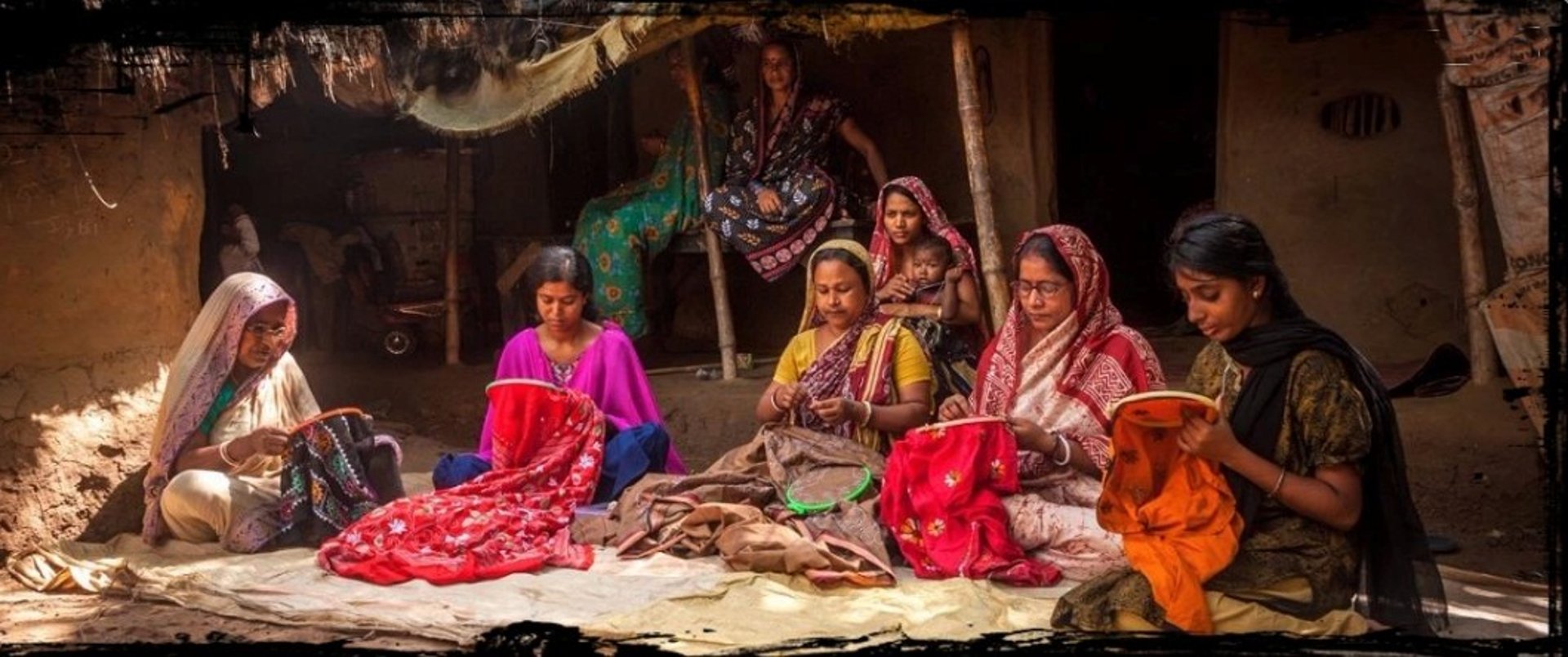
Discover Unique Handloom & Handicrafts of INDIA all along Empowering the Artisans !

The Difference Between Terracotta, Dokra & Brass: A Buyer's Guide for Real Handicrafts.
The significance of handicrafts extends beyond aesthetics. They serve as a means of preserving cultural heritage in an ever-globalizing world, where traditional practices are at risk of being forgotten. Artistic value is inherent to handicrafts; each piece allows artisans to showcase their skills, creativity, and distinct regional styles. As the appreciation for authentic handmade crafts grows, consumers are increasingly seeking items that signify a connection to cultural identity and craftsmanship. The cultivation of an appreciation for authentic handicrafts is vital in ensuring these traditions flourish within future generations. When we recognize and invest in genuine artistry, we contribute to a meaningful dialogue that celebrates culture and creativity in our daily lives. To truly enjoy and value handicrafts, one must look beyond surface beauty; it is about understanding the labor, stories, and rich heritage embedded within these creations. Ultimately, celebrating handicrafts is about connecting with our roots while enriching our everyday experiences with unique artistry.
Chandra Shekhar Akulla - Summer Intern, CSIR.
10/28/20267 min read


Introduction to Handicrafts
Handicrafts are not merely items of utility; they are expressions of culture and artistry, embodying the traditions and values of societies around the world. Each crafted piece tells a story, reflecting the intricacies of handmade techniques that have been passed down through generations. The realm of handicrafts encompasses a diverse array of items, including textiles, pottery, jewelry, and decorative objects, each made from various materials that contribute to their uniqueness
Different materials are pivotal in the creation of handicrafts, influencing both the aesthetic and functional aspects of the finished product.
Terracotta, a clay-based ceramic material, is one of the oldest and most versatile substances used in handicrafts. Its malleability and ability to be fired at high temperatures allow artisans to create intricate designs and durable objects.
Dokra, a non-ferrous metal casting technique, originates from ancient India and is primarily crafted using brass. The lost-wax method in dokra ensures that each piece is unique, showcasing detailed motifs that often represent local folklore and nature.
Furthermore, Brass has been a popular choice for crafting various decorative items and utensils due to its brilliance and durability, making it an ideal material for artisans seeking to combine tradition with functionality.
In conclusion, understanding the world of handicrafts provides insight into the artistic expression that enriches our lives. With materials such as terracotta, dokra, and brass at the forefront, these crafts perpetuate timeless traditions while crafting a bridge to contemporary design and utility.
Exploring Terracotta: Characteristics and Uses
Terracotta, derived from the Italian words "terra" meaning earth and "cotta" meaning baked, is an ancient crafting material that has been utilized for thousands of years. This earthenware is made from natural clay and is known for its versatility and durability. The process of creating terracotta involves shaping the clay into desired forms and firing it at high temperatures in a kiln, which results in a robust and porous medium. This unique characteristic makes terracotta ideal for various applications, ranging from functional items to decorative art.
One of the primary advantages of terracotta is its ability to retain moisture, making it an excellent material for plant pots and garden decor. Terracotta pots are often favored by gardeners as they allow for air and moisture flow, which promotes healthy root growth. In addition to functional gardening items, terracotta is widely used in the creation of sculptures, decorative tiles, and traditional pottery. These handcrafted pieces can range from intricate and detailed sculptures to simple, rustic bowls and dishes.
The historical significance of terracotta is profound, as it has been used across different cultures worldwide. In various regions, terracotta artifacts have been critical in understanding ancient civilizations, such as the terracotta warriors of China, which illustrate the artistry and craftsmanship of the time. Moreover, terracotta continues to hold cultural relevance today, symbolizing heritage and traditional craftsmanship. Artists frequently utilize terracotta to reflect cultural narratives, showcasing the material's adaptability in combining art with tradition.
In contemporary markets, terracotta items are celebrated not only for their aesthetic qualities but also for their sustainable nature. As a natural material, terracotta aligns with eco-friendly practices and appeals to environmentally conscious consumers. The continued popularity of terracotta demonstrates its enduring appeal, bridging the gap between ancient traditions and modern aesthetics.
Understanding Dokra: The Unique Craft of Lost-Wax Casting
Dokra is an age-old metal casting technique dating back over 4,000 years, primarily practiced in regions of India such as West Bengal, Odisha, and Madhya Pradesh. The process is known as lost-wax casting, a method that involves creating intricate designs and shapes from molten metal, typically brass. The uniqueness of dokra lies not only in its craftsmanship but also in the cultural heritage that it represents.
To create a dokra piece, artisans begin by making a model from wax, which is then covered in clay to form a mold. Once the mold is set, the wax is melted away, leaving a hollow space that will be filled with molten metal. This meticulous process allows artisans to produce detailed artworks, including jewelry, figurines, and decorative items. Each piece carries the distinct characteristics of handcrafting, reflecting the skill and creativity of the artist.
The appeal of dokra handicrafts today lies in their fusion of traditional techniques with contemporary aesthetics. Items such as dokra jewelry not only serve as fashion statements but also as representations of India's rich artisanal heritage. The craftsmanship involved in creating dokra items is not just a commercial activity; it is a continuation of a legacy that connects the artisan with the age-old traditions of their ancestors.
Moreover, the durability and unique finishing of dokra pieces contribute to their allure among collectors and home decorators alike. Each product tells a story, making it a sought-after choice for those looking to invest in authentic handicrafts that boast both artistic value and cultural significance. Dokra represents not only a craft but a vibrant narrative steeped in history, appealing to those who appreciate the beauty of handcrafted items.
Brass Handicrafts: Tradition Meets Modernity
Brass, an alloy primarily composed of copper and zinc, is renowned for its durability and resistance to corrosion. This makes it an ideal material for creating a multitude of handicrafts that combine utility and artistry. Historically, brass has been utilized in various cultures for its aesthetic appeal and practical properties, making it a favored choice for artisans.
The process of crafting brass handicrafts involves skilled techniques that have evolved over centuries. Artisans often employ traditional methods passed down through generations, infusing their work with cultural significance and historical context. Among the most common brass articles are utensils, which include items such as pots, plates, and cutlery. These utensils not only serve practical purposes but also add a touch of elegance to dining experiences, reflecting a rich heritage.
In addition to functional items, brass is also used extensively in decorative arts. Sculptures, wall hangings, and intricate figurines are crafted with precision, showcasing the artisans' exceptional skills. These decorative pieces often depict themes from mythology, nature, or everyday life, and are highly sought after by collectors and enthusiasts alike.
The evolution of brass crafts underscores the adaptability of this medium. As demand for unique and sustainable home decor increases, artisans are merging traditional techniques with modern design aesthetics, creating pieces that appeal to contemporary tastes. This blending of old and new not only preserves the craftsmanship but also invites a wider audience to appreciate brass as a versatile medium for artistic expression.
Brass handicrafts continue to thrive in today's market, with an increasing emphasis on ethical sourcing and sustainable practices. The longevity of brass as a material ensures that products crafted from it can withstand the test of time, making them not just beautiful but also practical investments for buyers.
Comparative Analysis: Terracotta vs. Dokra vs. Brass
When considering authentic handicrafts, analyzing the materials involved is crucial for making informed purchasing decisions. This section delves into a detailed comparison of three prevalent materials used in traditional crafts: terracotta, dokra, and brass. Each material has distinct characteristics that affect its durability, maintenance requirements, aesthetic appeal, and overall cost.
Starting with terracotta, this clay-based material has been utilized for centuries, primarily in pottery and decorative items. Its porous nature gives terracotta an earthy appeal, making it popular among buyers who prefer natural aesthetics. However, its durability can be limited, as terracotta is prone to cracking under extreme temperature changes. Maintenance is relatively straightforward, requiring occasional dusting and careful handling to prevent damage. In terms of cost, terracotta products are generally affordable, offering great value for handcrafted items.
Dokra, a traditional form of metal casting, particularly from West Bengal and Odisha, is known for its unique designs and intricate detailing. Made of brass, dokra pieces are durable and corrosion-resistant, making them suitable for both indoor and outdoor use. Although dokra items are generally low-maintenance, they should be cleaned periodically to retain their luster. Aesthetic appeal ranks high with dokra, as the handmade nature of the craft results in one-of-a-kind pieces that often attract collectors. However, the pricing for dokra can be higher compared to terracotta due to the labor-intensive process involved in its creation.
Lastly, we consider brass, a versatile metal used widely in various forms of handicrafts. Brass items are recognized for their durability and resistance to wear and tear, making them a long-lasting addition to any decor. While they do require regular polishing to prevent tarnishing, the maintenance involved is minimal compared to other materials. Aesthetically, brass exudes a classic elegance, appealing to those who prefer traditional yet timeless pieces. Brass products typically occupy a mid-range price point, balancing quality and affordability.
In conclusion, each material—terracotta, dokra, and brass—brings its own set of advantages and drawbacks. Understanding these differences is essential for buyers seeking authentic handicrafts that align with their needs and preferences.
Tips for Buyers: Choosing the Right Handicraft
When venturing into the world of handicrafts such as terracotta, Dokra, and brass, it is essential for buyers to arm themselves with knowledge to ensure they make informed selections. The following insights highlight various aspects to consider when purchasing these unique handcrafted items.
Firstly, understanding the craftsmanship is crucial. Authentic handicrafts often showcase intricate detailing and a finesse that speaks to the artisan's skill. Examine the piece closely for imperfections, as minor inconsistencies are often the hallmark of hand-worked pieces. A uniform appearance may indicate mass production rather than genuine craftsmanship.
Next, consider the type of material used. For instance, terracotta should have a natural, earthy finish, while brass items should exhibit a rich, golden hue. Assess the weight as well; genuine brass tends to feel more substantial compared to replicas made of lightweight metals. If you are selecting Dokra pieces, look for the characteristic wax casting method, where the design reveals both smooth and textured surfaces, showcasing the artist's technique.
Moreover, personal preference plays a significant role in the selection process. Take time to reflect on what captivates you—whether it be the rustic charm of terracotta or the intricate designs of Dokra. Also, think about the intended use of the pieces. Will they serve as decorative items, or do you intend to use them functionally? Understanding the purpose can help narrow down your choices effectively.
Caring for your handicrafts is another consideration that should not be overlooked. Each material requires specific maintenance to preserve its beauty. For instance, brass can be polished with specialized cleaners, while terracotta should be handled gently to prevent chipping. Proper care ensures that these artworks maintain their allure for years to come.
In essence, recognizing the distinctive features of authentic handicrafts, considering personal taste, and understanding maintenance requirements will empower buyers in their quest for quality and authenticity.
Conclusion: Celebrating Handicrafts in Everyday Life
In final reflection on the significance of terracotta, Dokra, and brass within the realm of handicrafts, it is essential to underscore the importance of support for artisans who pour their creativity and cultural heritage into each piece. These materials not only symbolize traditional craftsmanship, but they also serve as vessels of cultural identity and personal expression in home décor.
Investing in authentic handicrafts enriches one’s living space while preserving the skills and traditions of many communities. By choosing to incorporate such unique pieces into our homes, we contribute to a cycle of appreciation and sustainability that recognizes the hard work of individual artisans. Each terracotta pot, Dokra sculpture, or brass ornament tells a story that connects the owner with the artisan and the tradition they represent.
Beyond mere decoration, these handcrafted items can evoke a sense of pride and belonging, fostering an appreciation for the diversity of craftsmanship found across different cultures. As we navigate contemporary living, there is an increasing need to celebrate these traditional arts against the backdrop of mass production and uniformity. By choosing to embrace handicrafts, we not only enhance our aesthetic surroundings but also uphold the values of authenticity and individuality.
Project rangamaati
Helps YOU connect with Slow Sustainable Fashion over Mass-Production to SAVE Natural Resources, Raw Material and reduce Wastage and impulsive Consumption.
Established in 2013 in Kolkata, West Bengal, Project Rangamaati is a leading online craft store in India, Operating under a fully integrated inventory model. This approach ensures that all products are carefully handled and shipped directly from our Central Hub, reflecting our unwavering commitment to Authenticity and Quality. Project Rangamaati stands as a trusted authority in Traditional Indian Crafts, offering Customers an Authentic connection to India’s rich Artisanal Heritage.
Subscribe to our newsletter
sanjayg@rangamaati.com
+91-9804-219-546
© 2026. All rights reserved | Project rangamaati.
Support our Crowdfunding
May We Help You
Track Your Order
Terms & Conditions
Bulk Orders.
Quick Links
Organisation
projectrangamaati@gmail.com
Got a Question? Call

Love to hear from You
Our B2C Partners
Men's Collection
WE SUPPORT SILK, HANDLOOM & HANDICRAFTS PRODUCTS ALL ALONG PRACTISING FAIR TRADE AT A FAIR PRICE.

Press & Media
+91-8902-152-405