Discover Unique Handloom & Handicrafts of INDIA all along Empowering the Artisans !

Patachitra - The Original Scroll Storytelling: From Village Singers to Modern Sarees.
Pattachitra style painiting , which blends oral storytelling with visual imagery.The word pata is derived from the Sanskrit and Pali word meaning "cloth," and chitra means "picture." Patachitra means "picture painted on cloth," and it refers to a storytelling tradition originating in the Medinipur region of West Bengal. The painter community is called Patua, and all of the artists bear the same last name Chitrakar, meaning "painter." Through this unique art form, the bard presents the story with pictures while simultaneously narrating a song called "Pater Gaan." Patuas use colors extracted from various trees, leaves, fruits, flowers, seeds, and clay. Traditionally, their themes revolved around mythological stories, but the newer generations of Patuas paint about contemporary social issues ranging from violence against women to climate change.
ARTS, CRAFTS & HANDICRAFTS
Parijaat Bandhopadhya - Teacher ,Midnapore Collegiate School.
9/20/20269 min read

Understanding Patachitra Art
Patachitra is a traditional form of art hailing from the state of Odisha in India, renowned for its intricate details and vibrant colors. This ancient art form primarily consists of paintings on cloth or dried palm leaves, with a style that has remained unchanged for centuries. The term 'Patachitra' itself is derived from the Sanskrit words "pata," meaning canvas, and "chitra," meaning picture, which together encapsulate the essence of this remarkable craft.
The origins of patachitra can be traced back to the 12th century, closely associated with the Jagannath Temple in Puri, Odisha. The art form has been historically employed for religious storytelling, illustrating narratives from Hindu epics such as the Ramayana and the Mahabharata. Artists would create visual representations of these stories to educate the masses and impart moral lessons, thereby playing a crucial role in the cultural heritage of Odisha.
Key characteristics of patachitra art include the use of natural pigments derived from minerals and plants, allowing for vibrant and long-lasting colors. The artworks often feature intricate patterns, symbolic motifs, and stylized figures that convey deep meanings and stories. Unique to this art form is the use of a particular style that maintains a consistency in its portrayal of human anatomy and expressions, making it instantly recognizable.
Moreover, the cultural significance of patachitra extends beyond aesthetic appeal. It embodies the rich storytelling traditions of Odisha, reflecting societal values, religious beliefs, and ecological themes that resonate with the local communities. With each piece, patachitra not only tells a story but also serves as a testament to the skills passed down through generations, ensuring that the artistic legacy continues to thrive in contemporary society.
The Traditional Roots of Patachitra Storytelling
Patachitra, a traditional art form originating from the eastern Indian state of Odisha, is renowned for its intricate scrolls that serve as both artistic expression and a medium of storytelling. Central to this art form are the village singers, who play a pivotal role in perpetuating the patachitra tradition. These artists use the vibrant and detailed scrolls to narrate mythological tales, folklore, and cultural narratives, bringing life and depth to the stories they tell.
The performance begins with the unfurling of the scroll, which features striking visual representations that illustrate the narrative. Each patachitra scroll is a canvas that captures the essence of regional mythology and beliefs, showcasing deities, epics, and notable figures in clusters of vividly painted panels. The artists, often skilled in both singing and painting, narrate these stories as they display the scrolls, engaging their audience with melodies that resonate with the thematic depth of the artworks.
The tools and techniques employed in creating patachitra scrolls are equally fascinating. Traditionally, artists use natural materials such as pulp from the tamarind seeds for the paint, which enables the vibrant hues that are characteristic of this art form. Brushes are often made from squirrel tail hair, allowing for fine details and precise strokes. The creators also utilize handmade paper or cloth as their base, each material adding its unique texture and quality to the final piece. Through repetitive practices passed down through generations, village artists have mastered the art of both storytelling and the intricate processes involved in scroll-making.
This blend of artistry and narrative demonstrates the profound connection between patachitra and the cultural identity of the region. As the artists sing and weave tales through their scrolls, they ensure that these age-old stories continue to resonate with contemporary audiences, thus preserving a rich heritage while adapting to modern contexts.
Themes and Motifs in Patachitra
Patachitra art, a traditional Indian painting style originating from Odisha, intricately blends various themes and motifs that reflect the cultural essence of the region. A pervasive element in patachitra is religious iconography, featuring depictions of deities, sacred texts, and mythological narratives. These artworks often illustrate tales from Hindu mythology, portraying vivid episodes from the lives of Lord Krishna, Goddess Durga, and other significant figures. This spiritual focus is not merely ornamental; it serves to communicate moral lessons and philosophical concepts, bridging the gap between the divine and the earthly realm.
Another prominent theme is nature, which is portrayed in a vibrant, stylized manner. Artists frequently incorporate elements of flora and fauna to symbolize various aspects of life, growth, and the cyclic nature of existence. Birds, trees, and floral patterns are commonly used motifs that reflect the harmony between humanity and nature. Through these depictions, patachitra artists convey an appreciation for the environment, emphasizing the importance of coexistence and sustainability.
Folklore also plays a significant role in the storytelling aspect of patachitra. The rich tapestry of regional tales, myths, and legends provides a context that resonates with local communities. Each painting becomes a narrative space where stories unfold, allowing viewers to engage with their heritage and cultural identity. Patachitra serves as a vehicle for preserving these oral traditions, with motifs often drawn from local folklore, incorporating elements that resonate with the collective memory of the people.
In essence, the themes and motifs found in patachitra art highlight the interplay of spirituality, nature, and cultural narratives. They create a multidimensional storytelling experience, inviting viewers to interpret deeper meanings and embrace the intrinsic values encapsulated within each work. The rich symbolism embedded in these paintings not only enhances their artistic value but also fosters a deeper connection with cultural and religious narratives.
Patachitra and Religion :
Religious boundaries are incredibly porous for the Patuas (Pattachitra Painters). In the past, they would straddle both religions, living a dual life of sorts. Nonetheless, the community has for generations been plagued by the effluvium of religious discrimination.
The Hindus condemned them for embracing Islam, said Manu Chitrakar. Muslims, on the other hand, refused to accept us because we make idols, paint and sing about Hindu deities.
Many of them would have two names, a Hindu name and a Muslim name, so that both Hindu and Muslim households would let them perform for them, added Shambhu Chitrakar, who grew up on stories recounting his forefathers struggle for acceptance.
Ascribed to the caste of the Patua, who are hereditarily engaged in the illustration and performance of Patachitra, it is their association to this traditional occupation that characterizes their social identity.
The patua s predicament has evolved into a statement on communal harmony. On one hand they recite the namaaz and keep roza, on the other hand, they tell the tales of the gods and goddesses of the Hindus, derive strength from Mother Durga to their paintings s a shining example of respectful co-existence between two religions, said Manu Chitrakar. The common title of Chitrakar helps reject a sociocultural identity based on religion.
The Process of Creating Patachitra Scrolls
Patachitra, a traditional art form originating from the eastern regions of India, involves a meticulous and time-consuming process that showcases the dedication and craftsmanship of the artists. The first step in creating patachitra scrolls is the selection of materials. The base for these scrolls is usually made from cloth or dried palm leaves, chosen for their durability and suitability for painting.
Once the base is prepared, the artists apply a special mixture of chalk and gum to provide a smooth and even surface for painting. This process is crucial, as it enhances the vibrancy of the colors used. The paint itself is derived from natural sources, including mineral and vegetable dyes, which contribute to the distinct aesthetic of patachitra art. Artists meticulously mix these pigments to achieve a wide range of hues, ensuring that they reflect the visual richness and cultural significance of the artwork.
The painting technique employed in patachitra is characterized by intricate designs, elaborate patterns, and vivid storytelling. Artists often start with outlining the main figures and motifs using a fine brush, followed by filling in the colors. This layering process requires immense skill and patience, as the details must be rendered with precision to maintain the overall composition's harmony. Moreover, the artists often utilize traditional motifs and themes that are steeped in mythology and folklore, further enhancing the narrative quality of the scrolls.
After the painting is complete, each scroll undergoes a process of drying and treatment to ensure longevity. This final step not only preserves the artwork but also highlights the intricacies and vibrant colors that characterize patachitra art. The entire process, from material selection to the final touches, reflects the deep cultural heritage and the expertise required in this timeless craft.
Patachitra's Evolution: From Tradition to Modern Applications
Patachitra art, with origins rooted in the historical contexts of Odisha and West Bengal, showcases a remarkable journey through time, adapting and evolving while preserving its traditional essence. Historically, patachitra was primarily utilized in the form of scroll paintings, designed to narrate mythological stories and religious themes, rooted deeply in the narratives of Hindu epics like the Ramayana and Mahabharata. The intricate detailing and vibrant colors, derived from natural pigments, characterized these traditional artworks and defined a unique stylistic approach that has fascinated art enthusiasts for generations.
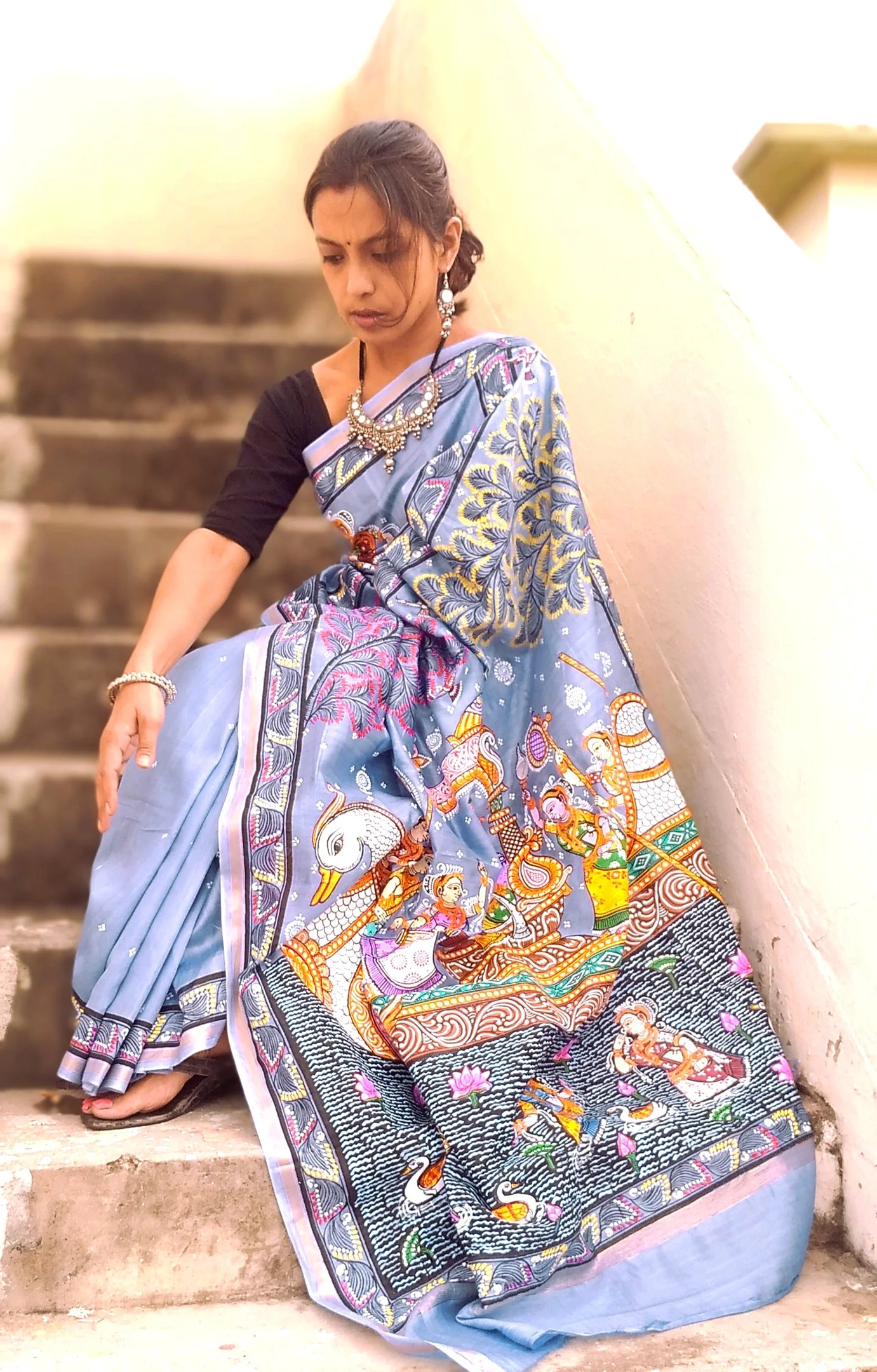
As we venture into the contemporary era, the significance of patachitra art has expanded far beyond its traditional confines. Modern artists are now reinterpreting this classical art form, applying it innovatively to a variety of mediums and products, making it accessible to a broader audience. This evolution reflects a dynamic harmony between preserving cultural heritage and embracing contemporary aesthetics. Today, patachitra motifs can be found on a range of fashion items, from sarees and dupattas to contemporary clothing lines, demonstrating its versatility and appeal in modern fashion.
Furthermore, the influence of patachitra has extended into the realm of home decor. Artisans incorporate patachitra designs into various home accessories such as cushion covers, wall hangings, and tableware, allowing individuals to infuse their living spaces with rich cultural narratives. This transformation highlights the adaptability of patachitra art, showcasing how traditional craftsmanship can coexist with modern design sensibilities. As patachitra continues to evolve, it reflects the ongoing dialogue between heritage and innovation, ensuring that this ancient art form remains relevant in contemporary society. Adapting to changing times while honoring its roots, patachitra art remains a vibrant expression of artistic resilience.
The Influence of Patachitra on Modern Saree Designs
Patachitra, a traditional form of storytelling through intricate paintings on cloth, has seen a remarkable evolution in recent years. As artists and designers draw inspiration from these rich cultural narratives, there is a noticeable surge in the integration of patachitra designs into modern saree fashion. This amalgamation of old and new not only enhances the aesthetic appeal of sarees but also elevates the cultural significance of the attire.
One of the notable designers who have incorporated patachitra into their collections is the renowned fashionista, Anita Dongre. By marrying contemporary silhouettes with the elaborate motifs of patachitra, her designs bring a fresh perspective to traditional wear. Dongre’s collections often feature intricate patachitra borders and prints that celebrate the vivid colors and stories encapsulated in this art form.
Moreover, brands like FabIndia have embraced patachitra, offering a wide range of sarees that merge traditional craftsmanship with modern styling. Their sarees, adorned with hand-painted patachitra designs, serve as a canvas for historical narratives, making each piece unique and culturally resonant. The use of sustainable materials further emphasizes the importance of preserving heritage while catering to contemporary sensibilities.
Another designer to note is Rajesh Pratap Singh, who has synthesized patachitra motifs into avant-garde saree drapes. His innovative approaches showcase how traditional designs can seamlessly blend with modern fashion aesthetics, appealing to a broader audience while promoting cultural appreciation.Through various collaborations and collections, the incorporation of patachitra in saree fashion continues to gain traction. This trend not only highlights the versatility of patachitra as an artistic medium but also underscores its relevance in today’s fashion landscape. By facilitating a dialogue between past and present, designers are ensuring that the legacy of patachitra thrives in modern saree designs.
Preserving the Legacy of Patachitra
The rich tradition of Patachitra, an ancient art form originating from Odisha, India, is currently facing significant challenges that threaten its continued existence. These challenges stem from various socio-economic factors that have impacted the livelihood of Patachitra artists. As modernization rapidly transforms cultural landscapes, many artisans struggle to find a market for their work, leading to a decline in the number of practitioners and a subsequent loss of skill and knowledge.
To address these issues, several initiatives have been launched aimed at revitalizing the Patachitra art form. One primary focus is enhancing the visibility of Patachitra works through tourism. Efforts to promote cultural tourism have gained momentum, drawing attention to the unique artistry of Patachitra. Art stalls and exhibitions at local festivals showcase these vibrant scrolls, allowing artists to connect with a wider audience. This increased exposure not only provides financial support to the artists but also helps educate visitors about the significance and intricacies of Patachitra.
In addition to tourism, educational programs are being developed to ensure that the expertise and traditions of Patachitra are passed on to younger generations. These programs often include workshops and training sessions where seasoned artists share their skills and techniques with aspiring practitioners. By establishing institutions that focus on teaching this art form, there is hope for a new generation of artists who can reinvigorate the style with contemporary themes while maintaining the traditional techniques that define Patachitra.
Moreover, collaborative projects involving Patachitra artists and designers from various sectors are being promoted. These collaborations not only serve to modernize the art but also create new avenues for economic sustainability for the artisans. With strategic initiatives focusing on tourism, education, and collaboration, efforts are underway to preserve the legacy of Patachitra, ensuring it continues to flourish for future generations.
Project rangamaati
Helps YOU connect with Slow Sustainable Fashion over Mass-Production to SAVE Natural Resources, Raw Material and reduce Wastage and impulsive Consumption.
Established in 2013 in Kolkata, West Bengal, Project Rangamaati is a leading online craft store in India, Operating under a fully integrated inventory model. This approach ensures that all products are carefully handled and shipped directly from our Central Hub, reflecting our unwavering commitment to Authenticity and Quality. Project Rangamaati stands as a trusted authority in Traditional Indian Crafts, offering Customers an Authentic connection to India’s rich Artisanal Heritage.
Subscribe to our newsletter
sanjayg@rangamaati.com
+91-9804-219-546
© 2026. All rights reserved | Project rangamaati.
Support our Crowdfunding
May We Help You
Track Your Order
Terms & Conditions
Bulk Orders.
Quick Links
Organisation
projectrangamaati@gmail.com
Got a Question? Call

Love to hear from You
Our B2C Partners
Men's Collection
WE SUPPORT SILK, HANDLOOM & HANDICRAFTS PRODUCTS ALL ALONG PRACTISING FAIR TRADE AT A FAIR PRICE.

Press & Media
+91-8902-152-405