Discover Unique Handloom & Handicrafts of INDIA all along Empowering the Artisans !

North Kolkata's Bonedi Bari: The Durga Puja Architecture of Shovabazar & Kumartuli.
Exploring the Architectural Heritage of North Kolkata's Bonedi Bari During Durga Puja
HERITAGE ARCHITECTURE
Bikramjit Deb - Descendant to Raja Naba Krishna Deb.
9/26/20268 min read


Introduction to Bonedi Bari and its Significance
Bonedi Bari, a term that resonates deeply within the cultural fabric of North Kolkata, refers to the traditional heritage homes of affluent Bengali families. These residences stand as a testament to the architectural prowess and lifestyle of the Bengal elite, encapsulating centuries of history and culture. They serve not only as homes but as custodians of familial legacies, architectural styles, and societal values, particularly during the vibrant festival of Durga Puja.
The historical significance of Bonedi Bari becomes particularly evident during Durga Puja, the most celebrated festival in West Bengal. The festival is not merely a religious observance but is also synonymous with social gatherings and artistic expressions. In the context of Bonedi Bari, these homes transform into hubs of cultural activity, with families engaging in rituals and community events that honor the goddess Durga. The intricate decorations and elaborate preparations within these traditional homes reflect the artistic skills that have been passed down through generations.
Moreover, each Bonedi Bari has its own unique story, contributing to the rich tapestry of Kolkata's history. Architectural features such as grand courtyards, intricately carved doorways, and vibrant frescoes help preserve the aesthetic appeal and cultural significance of these structures. During Durga Puja, Bonedi Bari becomes a focal point for various activities, including the installation of idols and hosting of rituals that attract not only family members but also the wider community.
Engaging with the architectural heritage of Bonedi Bari during this festival invites a deeper understanding of the interplay between history, culture, and community in North Kolkata. These traditional Bengali homes exemplify the grandeur of the past while continuing to play an essential role in contemporary cultural expression, particularly within the vibrant celebrations of Durga Puja.
Historical Background of Shovabazar and Kumartuli
Shovabazar and Kumartuli are two iconic neighborhoods in North Kolkata, each rich in history and architectural significance. Shovabazar, known for its grand Bonedi Bari (old aristocratic houses), has played a crucial role in shaping the cultural landscape of Kolkata. The area flourished during the 18th and 19th centuries when affluent families settled there, contributing to the development of Bengali culture and quality education.
Kumartuli, on the other hand, is renowned for its skilled artisans who craft exquisite idols, particularly for the Durga Puja festival. This locality has a distinct identity, characterized by a blend of traditional and contemporary art. Historical records indicate that Kumartuli emerged as a hub for clay idol-makers in the early 19th century, largely due to the growing demand for artistic representations of deities among the affluent families of Shovabazar and surrounding areas.
The architectural styles prevalent in both Shovabazar and Kumartuli reflect a unique convergence of Indo-European design elements. The Bonedi Baris of Shovabazar exhibit ornate facades, intricate cornices, and spacious courtyards, often adorned with lush gardens. Meanwhile, Kumartuli showcases a somewhat utilitarian architecture; however, the workshops brimming with colorful clay and sculptures add vibrancy to the locality.
Over the years, both neighborhoods have continued to evolve while retaining their historical essence. The significance of Durga Puja in Shovabazar not only celebrates the traditional values but also serves as a reminder of the artistic legacy that both Shovabazar and Kumartuli represent. The deep-rooted customs observed during this festival highlight the importance of these areas in preserving Kolkata's architectural heritage and cultural identity.
Architectural Features of Bonedi Bari
Bonedi Bari, the traditional households of North Kolkata, epitomize a rich architectural legacy that reflects the cultural and historical nuances of the region. During the Durga Puja festival, these structures become particularly significant, showcasing a blend of artistry and functionality. The architectural features of Bonedi Bari are characterized by their intricate designs, which often incorporate elements from various styles, predominantly Indo-Saracenic and Colonial influences.
One of the most striking elements of Bonedi Bari is the use of ornate facades. These facades are typically adorned with elaborate moldings, floral patterns, and figurative sculptures that narrate mythological tales or depict local traditions. The artistry involved in crafting these details is a testament to the skilled artisans who have passed down their craft through generations. The balconies and verandahs, often found on the upper floors, possess decorative ironwork that contributes to the overall aesthetic appeal, allowing for both functionality and beauty.
Materials used in constructing these homes further distinguish Bonedi Bari. Red brick is a prevalent choice, not only for its durability but also for its ability to retain the traditional charm associated with these buildings. Wood, specifically teak and mahogany, is commonly utilized in decorative elements such as doors and window frames, showcasing intricate carvings. Additionally, the use of terracotta tiles adds to the visual richness while serving practical purposes, such as ensuring proper drainage during the monsoons.
The unique designs of Bonedi Bari often incorporate spacious courtyards and large living areas that cater to familial and social gatherings, especially vital during festive occasions like Durga Puja. These open spaces create a vibrant atmosphere, allowing residents and visitors alike to engage in rituals and celebrations, embodying the essence of community. The architectural brilliance of Bonedi Bari not only stands as a marker of historical significance but also enhances the festive spirit during Durga Puja, making each structure a living testament to Kolkata's rich heritage.
Festive Decorations and Their Symbolism
During the vibrant celebration of Durga Puja, Bonedi Baris in North Kolkata become a canvas for elaborate and meaningful decorations. These decorations not only enhance the aesthetic appeal but also serve as a profound reflection of cultural beliefs and traditions that are deeply ingrained in the community. Each decorative element is meticulously chosen, often rooted in historical significance and local customs.
One of the most prominent motifs observed in Bonedi Bari decorations is the use of traditional ‘alpana’, a form of floor art created using rice flour. This intricate artwork typically portrays religious symbols, nature, and geometric patterns, embodying auspiciousness. The ‘alpana’ serves as a welcoming gesture to invite the divine energy of Goddess Durga into the home, harmonizing the spiritual ambiance of the festivities with the earthly environment.
Another notable feature is the use of vibrant flowers and garlands, which symbolize purity and devotion. Flower decorations are intentionally selected not just for their beauty, but also for their traditional significance in worship and celebration. Fragrant blossoms like marigolds and jasmine are frequently used, as they elevate the sanctity of the space, encapsulating the joy and reverence that mark Durga Puja.
The visual language of Durga Puja decorations also includes artistic lanterns and lights, which illuminate the Bonedi Baris during the night. These lights symbolize enlightenment and the victory of good over evil, embodying the core narrative of the festival. The interplay of lights and shadows creates a magical environment that draws both locals and visitors, making the experience of Durga Puja all the more enchanting.
In conclusion, the decorations adorning Bonedi Bari during Durga Puja are more than mere embellishments; they encapsulate the rich tapestry of cultural beliefs and traditions that define the spirit of the festival. From intricate ‘alpana’ designs to vibrant floral arrangements and illuminating lights, each element contributes to a celebration that honors heritage and divine presence.
The Role of Community in Durga Puja Celebrations
Durga Puja is not merely a religious observance; it is a vibrant festival deeply embedded in the communal fabric of North Kolkata, particularly in areas like Shovabazar and Kumartuli. The festival showcases the active participation of local residents, artisans, and families, emphasizing a collaborative spirit that is integral to its success. This involvement is essential in creating an atmosphere of joy and reverence that characterizes Durga Puja.
In Shovabazar, the community comes together to meticulously plan and execute the festivities. Families often open their homes to share food and hospitality with neighbors and friends, fostering a sense of unity and togetherness. This inclusion is evident in the preparation of traditional delicacies, as well as in the crafting of vibrant decorations that adorn community pandals.
Artisans play a significant role, particularly in Kumartuli, where the craftsmanship of idol-making has been honed over generations. Local craftsmen devote themselves to creating intricate idols of Goddess Durga, a process that not only showcases their skills but also strengthens community bonds. The families of these artisans also get involved, ensuring that the tradition of idol-making is passed down through the family tree, reflecting a shared cultural legacy.
As the festival progresses, various events, such as cultural performances and community rituals, draw people from all walks of life. This engagement transcends social and economic barriers, promoting inclusivity and harmony among residents. The involvement of the entire community in organizing and celebrating Durga Puja thus represents a powerful affirmation of collective cultural identity.
Through collaborative efforts, the festival becomes a true reflection of community spirit. Each participant, whether through planning, creating, or celebrating, plays a pivotal role in ensuring that Durga Puja remains not just a festive occasion, but a profound communal experience.
Cultural Significance of Durga Puja in Kolkata
Durga Puja stands as one of the most cherished festivals in Kolkata, deeply intertwined with the city's cultural fabric and identity. The event transcends mere religious observance, evolving into a grand celebration that showcases the city's rich artistic traditions and communal harmony. As the city prepares for this annual festival, the streets come alive with elaborate decorations, artistic installations, and striking parades, reflecting the spirit of creativity that defines Kolkata.
The celebration of Durga Puja not only honors the triumph of goddess Durga over the buffalo demon Mahishasura, symbolizing the victory of good over evil, but also reinforces the local community's cultural heritage. Each year, neighborhoods across Kolkata, particularly the bonedi baris, or traditional houses, open their doors to host intricate puja ceremonies. This practice fosters a sense of unity among residents, as well as among visitors who come to witness the scenic grandeur and experience the heartfelt warmth of the community.
In Kolkata, Durga Puja serves as a testament to the collective identity of its inhabitants. It is a period marked by social gatherings, cultural performances, and culinary delights that epitomize Bengali tradition. Each pandal, or temporary structure built for the festival, often reflects both contemporary and traditional artistic expressions, fostering a dialogue between the old and new. This engagement not only preserves age-old rituals but also encourages artistic innovation, thereby maintaining the relevance of these customs in today's society.
As Kolkata embraces this vibrant festival, the importance of preserving these traditions becomes evident. The cultural implications of Durga Puja resonate well beyond the five-day celebration, contributing to the city’s identity and pride. The collective efforts towards preserving the festival and the architectural heritage tied to it ensure that the future generations continue to celebrate and honor these profound cultural values.
Conclusion: Preserving the Architectural Heritage of Bonedi Bari
In light of our exploration of the architectural heritage of North Kolkata's Bonedi Bari during the festive season of Durga Puja, it becomes evident that these historic structures are more than just buildings; they are vital representations of a rich cultural tapestry. The Bonedi Baris, with their intricate designs and historical significance, serve as a testament to the craftsmanship and artistry of bygone eras. They encapsulate not only the architectural styles of their times but also the socio-cultural dynamics that have shaped the neighborhood's identity.
The role of these heritage structures extends beyond mere aesthetic appreciation. As the festival of Durga Puja approaches, these buildings become focal points for community gatherings, celebrations, and cultural rituals. They provide a backdrop for the rituals that form an intrinsic part of this cherished festival, emphasizing the connection between the built environment and the cultural identity of the community. Thus, the preservation of these architectural landmarks is crucial for maintaining this unique heritage.
As we reflect on the importance of preserving the architectural heritage of Bonedi Bari, it is paramount for stakeholders, including local authorities and cultural organizations, to implement strategies that ensure the upkeep and safeguarding of these properties for future generations. Educational programs and community involvement can play a significant role in fostering an appreciation for this heritage. By recognizing the relationship between architecture, culture, and identity, we can ensure that the legacy of Bonedi Bari continues to thrive amidst modernization and change.
In conclusion, safeguarding the architectural essence of Bonedi Bari is not just about protecting old buildings; it is about preserving the historical narratives and cultural practices they embody. By valuing and maintaining these structures, we honor the past and enrich the cultural fabric of our present and future, especially during the vibrant celebration of Durga Puja.
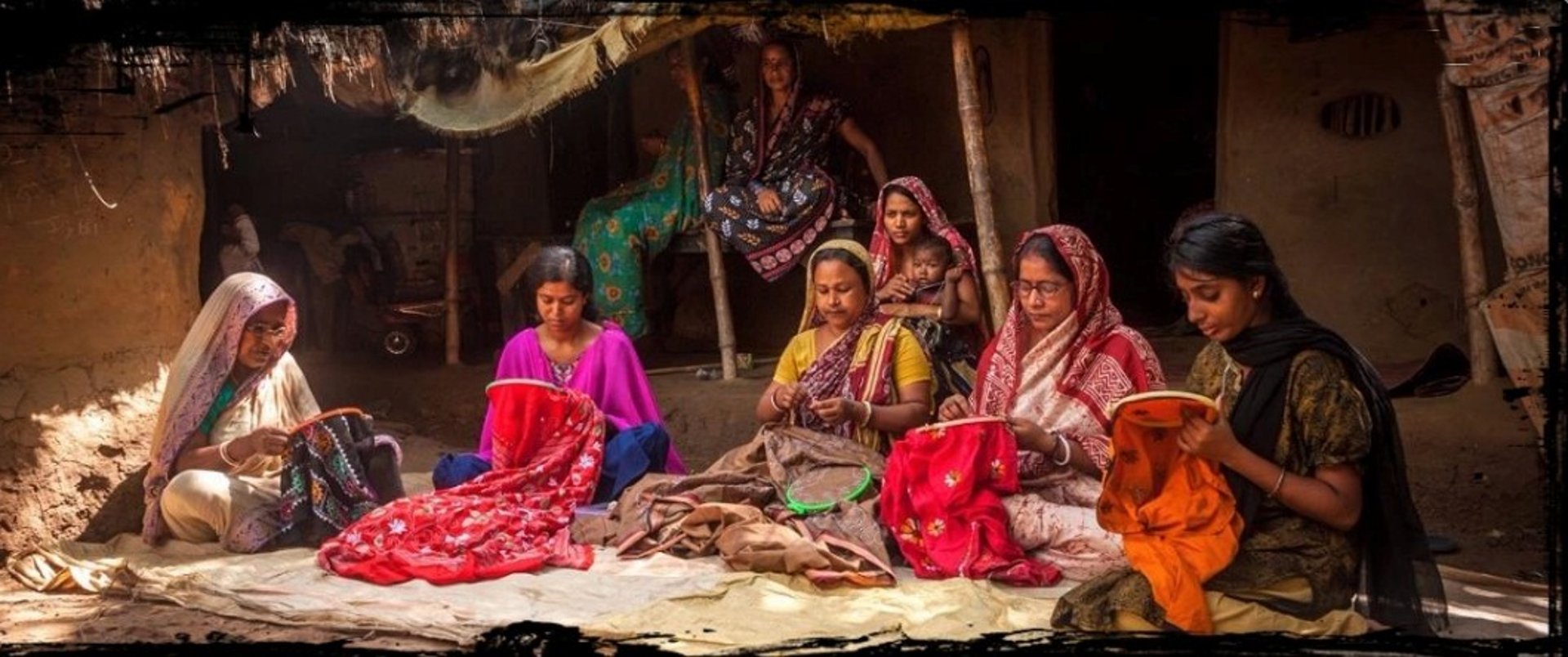
Project rangamaati
Helps YOU connect with Slow Sustainable Fashion over Mass-Production to SAVE Natural Resources, Raw Material and reduce Wastage and impulsive Consumption.
Established in 2013 in Kolkata, West Bengal, Project Rangamaati is a leading online craft store in India, Operating under a fully integrated inventory model. This approach ensures that all products are carefully handled and shipped directly from our Central Hub, reflecting our unwavering commitment to Authenticity and Quality. Project Rangamaati stands as a trusted authority in Traditional Indian Crafts, offering Customers an Authentic connection to India’s rich Artisanal Heritage.
Subscribe to our newsletter
sanjayg@rangamaati.com
+91-9804-219-546
© 2026. All rights reserved | Project rangamaati.
Support our Crowdfunding
May We Help You
Track Your Order
Terms & Conditions
Bulk Orders.
Quick Links
Organisation
projectrangamaati@gmail.com
Got a Question? Call

Love to hear from You
Our B2C Partners
Men's Collection
WE SUPPORT SILK, HANDLOOM & HANDICRAFTS PRODUCTS ALL ALONG PRACTISING FAIR TRADE AT A FAIR PRICE.

Press & Media
+91-8902-152-405