Discover Unique Handloom & Handicrafts of INDIA all along Empowering the Artisans !

Hidden Gems: Exploring the Terracotta Temples of Bengal Beyond Bishnupur
Beyond Bishnupur, rural West Bengal hides remarkable terracotta clusters like Baranagar, Pathra, and Antpur, featuring exquisite fired-clay art. These lesser-known villages showcase unique regional roof styles and narrative wall panels far from the main tourist paths.
HERITAGE ARCHITECTURE
Saswati Chakraborty - Ex Teacher - De Nobili School Jharkhand
10/25/20268 min read


Introduction to Terracotta Temples
The terracotta temples of Bengal are a fascinating component of India’s architectural heritage, showcasing the intricate artistry and cultural depth of the region. Although many visitors associate terracotta temples primarily with Bishnupur, these historic structures can be found throughout Bengal, each representing a rich tapestry of local artistry and devotion. The origins of these temples date back to the 17th and 18th centuries, during a period when the region flourished under the rule of various local dynasties, particularly the Malla kings. These rulers adopted the terracotta style as a means to express their religious devotion and to convey their cultural identity.
The unique architectural features of terracotta temples are a testament to the craftsmanship and creativity of the artists of that era. These temples are primarily constructed from baked clay bricks, adorned with intricate carvings that depict a variety of themes, ranging from mythological tales to everyday life scenes. This distinctive form of architecture not only serves a religious purpose but also provides insight into the social and cultural milieu of the time. Each carving tells a story, preserving the traditions and beliefs of the local population, and the aesthetic appeal of these details captivates both scholars and casual visitors alike.
Furthermore, the terracotta temples often served as community centers, attracting worshippers and artisans to gather and celebrate significant religious events. These structures stand as a reminder of the artistic innovations developed in response to the spiritual needs of the people. As one explores beyond Bishnupur, it becomes evident that the terracotta tradition continues to influence contemporary architecture and remains a vital part of Bengal's cultural heritage. Thus, the terracotta temples are not merely places of worship, but symbols of the historical journey and shared identity of the region's inhabitants.
Bishnupur: A Brief Overview
Bishnupur, a town in the Bankura district of West Bengal, is renowned for its exquisite terracotta temples, which are iconic examples of Bengali temple architecture. Established during the Malla dynasty in the 17th century, Bishnupur served as a significant center for arts and culture. The town's historical significance is intricately linked to its devotion to Lord Vishnu, reflected in the numerous temples built to honor this deity. The distinctive style of the terracotta temples is not only a testament to the craftsmanship of the artisans of the time but also an essential chapter in the rich spiritual tapestry of Bengal.
The terracotta architecture of Bishnupur is characterized by intricate carvings depicting various themes, including mythological stories, floral patterns, and everyday life. A visit to these temples provides an insight into the artistic excellence and religious devotion that flourished in the region. The most famous of these temples, such as the Rasmancha and the Jor Bangla, showcase the unique charchala (multi-tiered) architectural style, which is a hallmark of the Bengali temple design.
In addition to its architectural grandeur, Bishnupur attracts tourists for its vibrant local culture and the celebrated Baluchari sarees, which embody the area’s weaving heritage. The temple town has cemented its reputation as a tourist hub, drawing visitors who are eager to explore not only the temples but also the surrounding natural beauty. The local festivals and cultural events held throughout the year offer a deeper understanding of the region's traditions and customs, enriching the overall experience for tourists. Bishnupur, with its delightful blend of history, architecture, and culture, undoubtedly stands out as a gem in the exploration of Bengal's rich heritage.
Baranagar: The Forgotten Heritage
Baranagar, a small town located near the banks of the Hooghly River in West Bengal, is often overshadowed by its more renowned neighbor, Bishnupur. However, this quaint locale is home to a treasure trove of terracotta temples that reflect the rich cultural heritage of the region. Notably, Baranagar boasts several lesser-known temples that exhibit exquisite craftsmanship and offer insights into the historical landscape of Bengal.
One of the most significant structures in Baranagar is the Chaturbhuja Temple, dedicated to Lord Vishnu. This fascinating temple, built in the 18th century, stands out due to its unique square shape and intricately carved terracotta panels that narrate various mythological tales. Visitors can observe the fine details that adorn the temple's exterior, from floral motifs to depictions of deities, all crafted with remarkable precision.
In addition to the Chaturbhuja Temple, the nearby Jorbangla Temple is another striking example of the local architectural style. Its two-sided roof, known as a 'bangla' style, is further enhanced by terracotta ornamentation depicting scenes from the epics such as the Ramayana and Mahabharata. The temple serves not only as a spiritual hub for the local community but also as a testament to the artistry of the artisans of that era.
The local community in Baranagar plays a pivotal role in preserving these historical sites. Many residents have deep-rooted connections with the temples, often participating in festivals and rituals that have been passed down through generations. This intimate relationship with the heritage contributes to the vibrant cultural tapestry of Baranagar, making it an essential component of Bengal’s historical narrative.
Ultimately, exploring the terracotta temples of Baranagar offers a unique opportunity to appreciate the artistic expressions of the past and understand the enduring legacy of temple architecture in Bengal. While Bishnupur may be the more famous destination, the hidden gems of Baranagar are indeed worthy of exploration for those looking to delve deeper into the region’s heritage.
Pathra: A Blend of History and Art
Pathra, a little-known village in Bengal, stands as a testament to the rich tapestry of terracotta architecture that defines the region. Although often overshadowed by more famous sites like Bishnupur, Pathra offers a unique glimpse into the artistry and historical significance of terracotta temples. This village is home to several temples that showcase intricate terracotta work, exhibiting themes that are both religious and cultural, making it an invaluable part of Bengal’s architectural heritage.
Among the notable structures in Pathra, the Jagannath Temple deserves special mention. The temple is distinguished not only by its exquisite terracotta panels but also by the narratives depicted in these artworks. Each panel tells a story, with detailed carvings reflecting Hindu mythology and daily life in Bengal. This temple, built in the 19th century, employs terracotta as a primary medium, presenting an architectural style that merges functionality with artistic expression, illustrating the aesthetics of the period.
Another significant temple in Pathra is the Radha-Krishna Temple, which is replete with ornamental motifs that enhance its visual appeal. The artistic elements in this temple showcase the unique craftsmanship of local artisans, who have preserved traditional techniques over centuries. The use of terracotta in this structure is not merely decorative; it serves to communicate deeper meanings and cultural values, linking the spiritual with the aesthetic in a harmonious way.
The contributions of Pathra to the terracotta temple tradition are not only significant in their architectural merit but also serve as a window into the socio-cultural dynamics of their time. The interplay of history and art at Pathra offers visitors a remarkable experience, revealing the stories of devotion, artistry, and the evolution of religious practices through the medium of terracotta. Thus, exploring Pathra is essential for anyone interested in the broader narrative of Bengal's terracotta temples.
Antpur: The Temple of Legends
Located in the serene landscape of West Bengal, Antpur is a village renowned for its exquisitely crafted terracotta temples, which embody the rich cultural heritage of the region. These temples, built primarily during the late 17th century, showcase intricate designs that reflect not only the artistic skill of their creators but also the spiritual beliefs and traditions of the local populace. Each temple tells a story, intricately etched in terracotta, bringing to life the folklore that has intertwined with the very fabric of Antpur.
One of the most significant temples in Antpur is the Jor Mandir, which is renowned for its stunning two-tiered structure adorned with a plethora of terracotta reliefs. The architectural design exemplifies the typical Bengali style, characterized by its curved roofs and elaborate ornamentation. The temple depicts various mythological narratives, including scenes from the lives of deities such as Radha and Krishna, which are essential figures in local folklore. These depictions not only serve an aesthetic purpose but also significantly contribute to the local narrative traditions, making Jor Mandir a focal point for both spiritual and cultural engagement.
Another noteworthy temple is the Raj Rajeswari Mandir, often celebrated for its unique blend of artistic expression and religious significance. Delving into the intricacies of its architecture reveals a stunning array of terracotta tiles that narrate local tales of valor and devotion, infusing the temple with an aura of spirituality. Each tile serves as a canvas, illustrating themes that resonate deeply with the devotees and visitors alike. The legends surrounding this temple often speak of miraculous events and divine interventions that have left an indelible mark on the community's faith.
As one wanders through Antpur, it becomes evident that these terracotta temples do not merely stand as structures of worship; they are vibrant storytellers, rich with legends and cultural heritage. The continued reverence for these architectural treasures emphasizes the importance of preserving such historical sites, ensuring that future generations can explore and appreciate the legacy woven into the terracotta artworks of Antpur.
Exploring the Surrounding Villages
Bengal is well-known for its rich cultural heritage, particularly exemplified by the unique terracotta temples. While Bishnupur is often recognized as the epicenter of this tradition, several adjacent villages also contribute significantly to the terracotta landscape of Bengal. Notably, Baranagar, Pathra, and Antpur are some of the villages that offer insights into the broader artistic milieu of this region.
Baranagar, for instance, is famous for its stunning terracotta temples, standing as a testament to the skilled craftsmanship that characterizes the area. This village not only showcases the art of terracotta but also reflects the historical and cultural evolution of Bengal through its architecture. The local artists often draw inspiration from the rich narratives depicted in the terracotta plaques, illustrating the seamless blend of mythology, folklore, and daily life in Bengal.
In addition to Baranagar, Pathra is another village that plays a crucial role in the terracotta tradition. It is recognized for the artisans who continue to practice age-old techniques passed down through generations, ensuring that the art form remains vibrant and relevant. The terracotta work in Pathra frequently illustrates scenes that highlight religious tales, emphasizing the spiritual importance of this craft within the community.
Antpur, on the other hand, is known for its distinctive temple architecture, where terracotta embellishments add to the intricate beauty and cultural significance of the constructions. The village’s temples often feature intricate designs that not only represent artistic ingenuity but also serve as cultural markers that strengthen the collective identity of the people.
In synthesizing the cultural landscape of these villages, it becomes apparent that they collectively enhance the terracotta tradition of Bengal, offering a diverse array of artistic expressions that contribute to the richness of this unique art form. Visiting these lesser-known sites allows travelers to appreciate the depth and diversity of Bengal's terracotta temples, revealing the stories that extend beyond the more frequently explored locations.
Conclusion: The Legacy of Terracotta Temples
The terracotta temples of Bengal, often overshadowed by the more famous sites like those in Bishnupur, represent a crucial part of the region's rich cultural and architectural heritage. These lesser-known gems not only showcase the exquisite craftsmanship of artisans from centuries past but also serve as vital links to the cultural identity of Bengal. The intricate designs and narratives embossed on the temple walls encapsulate local folklore, religious beliefs, and the socio-economic dynamics of the time. Preserving these structures is therefore essential not just for heritage conservation but also for maintaining the collective memory of the communities associated with them.
Ongoing efforts to promote heritage tourism are pivotal in this context. Bringing attention to the terracotta temples can not only help in their preservation but also stimulate economic development in the surrounding areas. Numerous initiatives, spearheaded by local governments and NGOs, aim to raise awareness about the historical significance of these temples, encouraging visitors to explore beyond the commonly traversed paths. Heritage tourism has the potential to generate income for local craftspeople and service providers, ensuring that the traditions linked to these marvelous structures persist into future generations.
Furthermore, the terracotta temples stand as symbols of Bengal’s rich diversity and resilience, reflecting a time when artistry flourished under patronage and community spirit. By safeguarding these architectural marvels, we celebrate not only the artistry of our predecessors but also reinforce the identities of current and future generations. In conclusion, the terracotta temples of Bengal, with their unique charm and historical importance, deserve our attention and commitment to preservation. Their significance extends far beyond art and architecture; they are embodiments of the region's narrative, representing a confluence of culture, faith, and history that must be preserved for posterity.
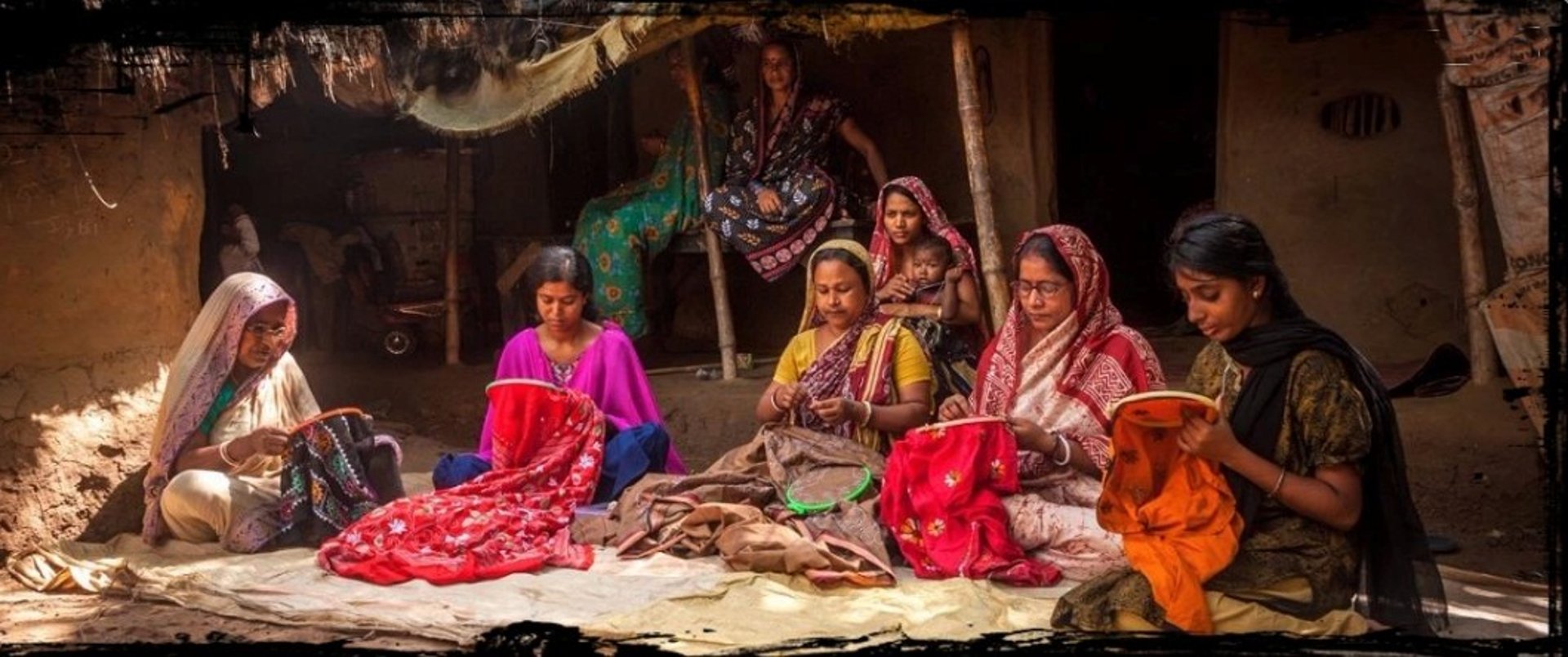
Project rangamaati
Helps YOU connect with Slow Sustainable Fashion over Mass-Production to SAVE Natural Resources, Raw Material and reduce Wastage and impulsive Consumption.
Established in 2013 in Kolkata, West Bengal, Project Rangamaati is a leading online craft store in India, Operating under a fully integrated inventory model. This approach ensures that all products are carefully handled and shipped directly from our Central Hub, reflecting our unwavering commitment to Authenticity and Quality. Project Rangamaati stands as a trusted authority in Traditional Indian Crafts, offering Customers an Authentic connection to India’s rich Artisanal Heritage.
Subscribe to our newsletter
sanjayg@rangamaati.com
+91-9804-219-546
© 2026. All rights reserved | Project rangamaati.
Support our Crowdfunding
May We Help You
Track Your Order
Terms & Conditions
Bulk Orders.
Quick Links
Organisation
projectrangamaati@gmail.com
Got a Question? Call

Love to hear from You
Our B2C Partners
Men's Collection
WE SUPPORT SILK, HANDLOOM & HANDICRAFTS PRODUCTS ALL ALONG PRACTISING FAIR TRADE AT A FAIR PRICE.

Press & Media
+91-8902-152-405