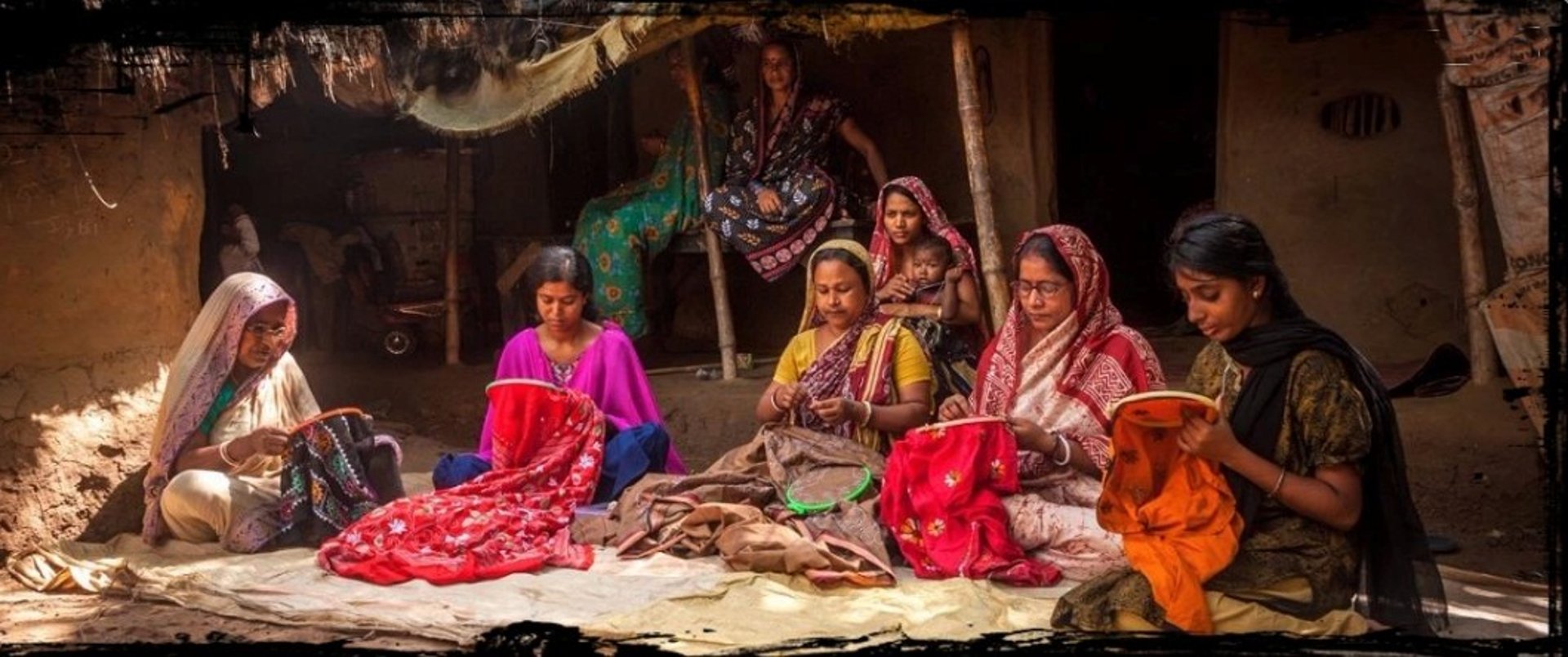
Discover Unique Handloom & Handicrafts of INDIA all along Empowering the Artisans !

Exploring the Rajbari Trail: A Journey Through Bengal's Historic Zamindar Palaces
Journey back to Bengal's opulent past with the Rajbari Trail — a walk through time, power and heritage.Beyond the famed palaces of Sovabazar and Jorasanko, discover hidden gems in Andul, Mahishadal, Itachuna, Cossimbazar and Murshidabad, where crumbling courtyards, towering Durga Dalans, Belgian chandeliers and terracotta facades whisper tales of zamindars, babus and British intrigue.This is more than architecture; it’s a living story of art, feasts, rebellion and culture. Come, explore Bengal where every Rajbari still holds a secret.
HERITAGE ARCHITECTURE
Dr. Subarna Shekhar Chowdhury - Ex Curator - Asiatic Society.
10/17/20268 min read


Introduction to the Rajbari Trail
The Rajbari Trail is an intriguing journey that invites travelers to explore the rich tapestry of Bengal’s history, especially the era characterized by the zamindar system. The zamindars, or landlords, played a pivotal role in the agrarian economy of Bengal, wielding considerable influence and wealth. Their palatial residences, commonly called rajbaris, stand as testaments to the opulence and architectural grandeur of a bygone age, offering unique insights into the cultural and social fabric of the region.
These historical palaces, often adorned with intricate carvings and magnificent courtyards, are not merely relics of the past; they embody the stories, traditions, and lifestyles of the zamindars and their communities. The Rajbari Trail serves as a window into this fascinating world, drawing visitors who are eager to learn about the legacies left behind by these prominent figures in Bengal’s history. Exploring the various rajbaris reveals the architectural influences ranging from Indo-Saracenic styles to local artistic traditions, showcasing the diversity of Bengal’s heritage.
Moreover, the experience of staying in these zamindar palaces provides a unique opportunity to immerse oneself in the past. Many of the rajbaris have been restored and converted into heritage hotels, allowing guests to enjoy a blend of history and luxury. While residing in such grand settings, travelers can partake in guided tours that unfold tales of romance, intrigue, and the relentless march of time. This juxtaposition of historical significance with modern hospitality enhances the allure of the Rajbari Trail, making it a remarkable journey for history enthusiasts and curious travelers alike.
The Legacy of Zamindars in Bengal
The zamindari system emerged in Bengal during the Mughal period and continued to evolve significantly under British colonial rule. Zamindars, a term referring to landowners or landlords, played a crucial role in the administration of land and taxation. They were granted large estates and were responsible for collecting taxes from tenant farmers, thus acting as an intermediary between the British government and the rural populace.
Beyond their economic responsibilities, zamindars were influential figures in society, contributing considerably to the cultural and architectural landscape of Bengal. During their reign, they became patrons of the arts, supporting local artisans and craftsmen who produced intricate works of art, textiles, and handicrafts. Their investments in culture led to a flourishing of Bengali literature, music, and dance, making them significant benefactors of the region’s heritage.
Architecturally, zamindars left an indelible mark on Bengal with the construction of magnificent palaces, often characterized by elaborate designs that reflected both traditional Bengali styles and influences from European architecture. These grand structures were not only homes but also centers of local governance and cultural activities, enhancing the social fabric of their respective regions. The palaces, now part of the Rajbari Trail, serve as historical showcases, narrating the opulent lifestyles of zamindars and their societal roles.
However, the zamindari system faced significant challenges during the British Raj. The colonial policies led to the exploitation of tenant farmers and the gradual decline of zamindars' power. Many zamindars lost their estates due to the oppressive taxation and land reforms introduced in the early 20th century. Despite this decline, the legacy of zamindars remains pertinent in contemporary Bengal, particularly through the surviving palatial structures, which are emblematic of the region’s rich history and cultural evolution.
Ultimately, understanding the legacy of zamindars in Bengal provides essential insights into the region's historical context. Their contributions to culture, art, and architecture shape the narrative of Bengal's past and inform the contemporary appreciation of these historic zamindar palaces.
A Tour of the Top Zamindar Palaces
The Rajbari Trail is home to a rich tapestry of zamindar palaces, each telling a unique story of Bengal's opulent past. Here, we explore ten notable palaces, highlighting their architecture, historical significance, and distinguishing features.
Firstly, the Ranishwar Shiv Mandir stands out not only for its spiritual importance but also for its breathtaking Indo-Saracenic architecture. This palace, built in the late 19th century, boasts intricate carvings and grand domes that reflect the artistic brilliance of its era.
Secondly, the Madhusudan Dutta Palace offers a glimpse into the lifestyle of the zamindars. Its elegant motifs and spacious courtyards were designed to host extravagant gatherings, making it a social hub during its heyday.
Another significant structure is the Pramanik Rajbari, known for its impressive red-brick façade. This palace showcases traditional Bengal architecture, featuring decorative terracotta tiles and large verandas that provide a panoramic view of the scenic surroundings.
The exquisite Pathuriaghata Rajbari is another gem on the trail. With its neoclassical design and lush gardens, it embodies the refined taste of its erstwhile residents and remains a testament to the zamindar legacy.
Moving on, the Chandranath Roy Palace captivates visitors with its charming architecture that merges Gothic and Indian styles. It is famous for hosting annual cultural events that celebrate Bengali heritage, drawing art lovers from far and wide.
The Khokan Rajbari is renowned for its unique blend of European and Bengali architectural styles, housing a grand library filled with historical manuscripts, offering insight into the zamindar's scholarship.
On the other hand, the Baro Rajbari is famous for its sprawling lawns and intricate frescoes that narrate tales from mythology, making it a captivating site for historians and tourists alike.
The photogenic Debnath Mahal, with its ornate stonework, attracts photographers seeking to capture the elegance of 19th-century zamindar life, while the nearby Brojo Ghosh Palace is celebrated for its lavish decorations and historical artifacts.
Lastly, the majestic Jagatnath Palace rounds off our list with its enormous halls and beautifully painted ceilings. This palace is a focal point for cultural events, echoing the vibrant life of the zamindars long after their time.
Each of these zamindar palaces along the Rajbari Trail narrates fascinating stories of Bengal’s rich history. They stand not only as architectural marvels but also as reminders of a glorious past that continues to inspire and attract visitors today.
Experiencing the Opulence: Staying in Zamindar Palaces
The zamindar palaces, with their grand architecture and rich history, provide an unparalleled lodging experience for visitors. Staying in these historic palaces not only allows guests to immerse themselves in the opulence of Bengal’s zamindari culture, but also offers a unique opportunity to relive the lifestyle of the erstwhile landowners. These accommodations range from lavish suites adorned with period furniture and intricate wooden carvings to cozy rooms that still retain royal charm and elegance.
Most zamindar palaces have been thoughtfully restored, ensuring modern comforts are seamlessly integrated with their heritage. Guests can enjoy essential amenities such as Wi-Fi, cozy dining areas, and personalized service while being surrounded by historical artifacts and architecture that narrate tales of the past. The ambience of living within these walls is enhanced by the soothing sounds of nature, beautifully landscaped gardens, and often, the serene presence of ancestral properties dating back several centuries.
During their stay, guests often have the opportunity to partake in various activities that highlight the rich tapestry of local culture. Many of these palaces offer guided tours that explore the expansive premises, shedding light on their historical significance and architectural features. Visitors can engage with local craftsmen, learning traditional art forms or even participate in cooking classes where they can prepare authentic Bengali dishes using age-old recipes. Cultural experiences such as folk music performances or dance recitals may also be organized, allowing guests to appreciate the vibrant heritage of Bengal.
In essence, staying in a zamindar palace is more than just a leisurely escape; it is an immersive experience that allows guests to connect with the history and culture of Bengal through luxury accommodation and enriching activities. An unforgettable journey awaits anyone willing to traverse not only the physical space of these magnificent homes but also the stories they hold.
Cultural Significance and Local Traditions
The zamindar palaces of Bengal are not only remarkable architectural feats but also vital cultural hubs that reflect the rich heritage of the region. These grand structures have played a significant role in shaping the local customs and traditions, acting as venues for various cultural events and celebrations. Over the years, the palaces have become central to the community's identity, embodying the historical narratives that have influenced Bengali culture.
Many of these palaces host traditional festivals that are deeply rooted in local beliefs and customs. Events such as Durga Puja and Saraswati Puja see vibrant celebrations within and around these historic sites, drawing crowds that come to admire the elaborate decorations and participate in the rituals. The presence of zamindar families during these festivities adds an air of authenticity and continuity to the events, showcasing the enduring legacy of the zamindars in contemporary society.
In addition to grand festivals, the palaces also serve as gathering places for various local traditions, including folk music, dance performances, and art exhibitions. The architectural elegance of these palaces provides a picturesque backdrop for these cultural expressions, enriching the local artistic landscape. Within the walls of these zamindar residences, traditional crafts and regional cuisines are also celebrated, frequently incorporating recipes and practices passed down through generations.
Furthermore, as guardians of history, the zamindar palaces facilitate storytelling sessions and educational tours that highlight their architectural significance and the socio-economic history of the zamindars themselves. They help cultivate a deeper appreciation for Bengali culture among both locals and visitors, transforming these remarkable palaces into living entities that narrate the story of Bengal through the lens of its multifaceted traditions.
Travel Tips for the Rajbari Trail
Embarking on a journey along the Rajbari Trail promises an enchanting exploration of Bengal's illustrious zamindar palaces. To ensure a smooth and enriching experience, careful planning is essential. This section provides practical advice for travelers looking to delve into the rich history and culture of these magnificent structures.
Firstly, the best time to visit the Rajbari Trail is during the winter months, from November to February. During this period, the weather is pleasantly cool, making it ideal for outdoor exploration. Monsoon season, while beautiful, can be challenging due to heavy rains and potential flooding in certain areas. Hence, visiting outside of this season is advisable for easier access to the palaces.
When it comes to reaching the various palaces along the trail, public transportation options, including trains and buses, are readily available from major cities like Kolkata. However, for greater convenience, consider renting a car or hiring a local guide who can provide valuable insights into the region's history and architecture. Many of the palaces are situated in remote areas, and having a private vehicle can enhance your journey significantly.
Packing smart is also crucial for a trip along the Rajbari Trail. Comfortable walking shoes are a must, as many palaces involve extensive exploration of their grounds. Lightweight clothing is advisable, along with layers for cooler evenings. Do not forget essentials like a reusable water bottle, sunscreen, and a camera to capture the intricate details of the palaces. Additionally, carrying a good guidebook can provide context and enhance your understanding of the historical significance of each site.
Traveling along the Rajbari Trail can be a transformative experience. By considering these travel tips and planning accordingly, visitors can fully immerse themselves in the grandeur of Bengal's zamindar heritage, experiencing both the breathtaking beauty and the historical depth of each palace.
Conclusion: The Allure of Bengal’s Zamindar Heritage
The zamindar palaces of Bengal stand as a testament to the rich cultural tapestry and historical significance of the region. These architectural marvels not only reflect the grandeur of a bygone era but also embody the heritage and traditions of Bengal. As we conclude our exploration of the Rajbari Trail, it is essential to recognize the importance of conserving these magnificent structures. Each palace is intertwined with stories of power, prosperity, and artistry, representing a unique chapter in Bengal’s history.
Conservation efforts are crucial in maintaining the integrity and beauty of these palaces. By preserving them, we safeguard the cultural identity of Bengal and provide future generations with the opportunity to immerse themselves in the past. Visiting these heritage sites allows individuals to appreciate the artistic craftsmanship of the time, the intricate designs, and the historical narratives that these structures encompass. They are not merely buildings; they are vibrant institutions that narrate the stories of zamindars and their connection to the land and its people.
Furthermore, engaging with these sites fosters a deeper understanding and appreciation of Bengal’s cultural heritage. It is an invitation to reflect on the socio-economic impacts of the zamindari system and its legacy in contemporary society. Encouraging exploration and tourism around these palatial sites not only bolsters local economies but also ignites a sense of pride among residents about their rich history.
In conclusion, the zamindar palaces are vital to Bengal’s historical narrative. They serve as portals to a time filled with intrigue and artistry, making it essential for us to embrace our responsibility towards their conservation. Let us encourage one another to delve into this journey through Bengal's heritage, ensuring that these remarkable remnants of the past continue to inspire and educate those who seek to understand the essence of our cultural legacy.
Project rangamaati
Helps YOU connect with Slow Sustainable Fashion over Mass-Production to SAVE Natural Resources, Raw Material and reduce Wastage and impulsive Consumption.
Established in 2013 in Kolkata, West Bengal, Project Rangamaati is a leading online craft store in India, Operating under a fully integrated inventory model. This approach ensures that all products are carefully handled and shipped directly from our Central Hub, reflecting our unwavering commitment to Authenticity and Quality. Project Rangamaati stands as a trusted authority in Traditional Indian Crafts, offering Customers an Authentic connection to India’s rich Artisanal Heritage.
Subscribe to our newsletter
sanjayg@rangamaati.com
+91-9804-219-546
© 2026. All rights reserved | Project rangamaati.
Support our Crowdfunding
May We Help You
Track Your Order
Terms & Conditions
Bulk Orders.
Quick Links
Organisation
projectrangamaati@gmail.com
Got a Question? Call

Love to hear from You
Our B2C Partners
Men's Collection
WE SUPPORT SILK, HANDLOOM & HANDICRAFTS PRODUCTS ALL ALONG PRACTISING FAIR TRADE AT A FAIR PRICE.

Press & Media
+91-8902-152-405