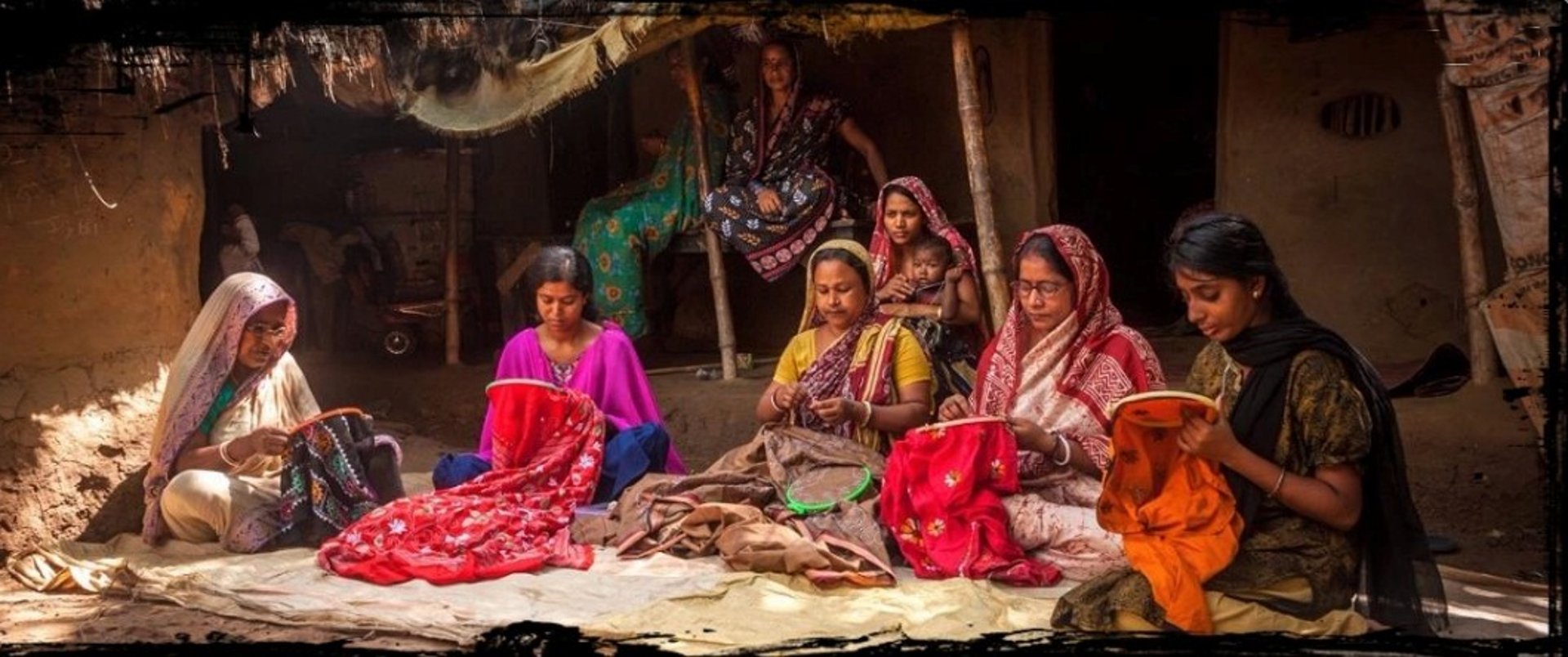
Discover Unique Handloom & Handicrafts of INDIA all along Empowering the Artisans !

Exploring the Forgotten Buddhist Circuit of Bengal: Moghalmari, Chandraketugarh & Karnasubarna
Moghalmari or Mogolmari is a village and an archaeological excavation site at Dantan PS in the district of Paschim Medinipur. The excavation of the site which began in 2002-03, led by a professor of Calcutta University has revealed the presence of a Buddhist monastery dated between 6th to 12th Century.
Dr.Bithikaswarna Goswami - Ex Librarian,National Library.
9/6/20268 min read


Introduction to the Lost Buddhist Circuit
The Forgotten Buddhist Circuit of Bengal represents a crucial chapter in the historical narrative of the region, highlighting the rich tapestry of Buddhist traditions that took root and flourished here. This circuit encompasses significant archaeological sites such as Moghalmari, Chandraketugarh, and Karnasubarna, each revered for their unique contributions to the cultural heritage associated with Buddhism in Bengal. These sites are not merely locations of historical interest; they are vital links to the spiritual and artistic traditions that thrived during ancient times.
Moghalmari, known for its extensive ruins, reflects a period of remarkable architectural advancement and artistic expression linked to Buddhist practices. The remnants of stupas and monasteries found here serve as testaments to the vibrant monastic life that once flourished within the complex. Similarly, Chandraketugarh, with its ancient relics, provides profound insights into the socio-economic interactions and the spread of Buddhism throughout the region. The artifacts unearthed indicate a confluence of various cultures, emphasizing how Buddhism was instrumental in shaping the social framework of Bengal.
Furthermore, Karnasubarna holds significant historical importance, often perceived as a center for Buddhist education and thought. The records and relics discovered in this area denote an era where Buddhism was not only a religion but a pivotal force influencing philosophy, art, and society. As we delve deeper into each of these sites, it becomes evident that they are not merely isolated occurrences but integral components of Bengal's Buddhist heritage. Together, they form a cohesive and enlightening narrative of a bygone era, paving the way for a more comprehensive understanding of Buddhist influences throughout Bengal.
Moghalmari: The Ancient Monastic Complex
Moghalmari, an ancient site located in the Bengal region, is renowned for its significant historical and cultural value, particularly pertaining to Buddhism. The site hosts a remarkable monastic complex that reflects the architectural style and philosophical teachings prevalent during its era. Established around the 5th to 7th centuries CE, Moghalmari served as a vital center for Buddhist education, attracting scholars and practitioners from various regions.
The architectural features of the complex are noteworthy, with several structures showcasing intricate carvings and unique layouts that exemplify the craftsmanship of the period. The central monastic structure is characterized by its large, vaulted halls that provided spaces for meditation and communal activities. These halls often incorporated designs that enhanced acoustics, allowing for better dissemination of teachings.
Among the significant discoveries at Moghalmari are numerous artifacts that illustrate the richness of Buddhist art and iconography. Excavations have revealed a variety of relics, including statues of the Buddha, Bodhisattvas, and various Buddhist symbols. These findings not only emphasize the artistic skills of the craftsmen but also offer insights into the rituals and practices that were common in the monastic community. The presence of inscriptions in Brahmi script found at the site has helped historians trace the evolution of Buddhist thought and practice in Bengal.
The significance of Moghalmari extends beyond its physical structures; it represents a historical nexus where education and spirituality flourished together. Monastic complexes like Moghalmari played a crucial role in disseminating Buddhist teachings, contributing to the spread of philosophy and art across Bengal and beyond. The reflections of Buddhist education systems seen in the remnants of this site indicate a well-organized structure emphasizing scholarship and spiritual growth.
In conclusion, Moghalmari stands as an enduring testament to the rich history of Buddhism's presence in Bengal, encapsulating the artistic, religious, and educational dimensions of a bygone era. This ancient site continues to inspire scholars and spiritually inclined individuals alike, as it allows for a connection to the profound legacy of Buddhist practice and education in the region.
Chandraketugarh: A Glimpse into the Past
Chandraketugarh, an archaeological site located near Kolkata, West Bengal, is a testament to the rich tapestry of ancient history that Bengal has to offer. This site has been pivotal in revealing the myriad interactions that shaped the region's cultural and economic landscape. The excavation achievements here have unearthed a significant number of terracotta seals, pottery items, and intricate sculptures that collectively narrate the story of Chandraketugarh's former glory.
The terracotta seals discovered at Chandraketugarh are particularly noteworthy, as they provide insight into the administrative and trade practices of the time. Many of these seals bear inscriptions in Brahmi script, which contribute to our understanding of the ancient writing systems used in the region. These artifacts indicate not only the organizational structure of trade but also suggest a web of connections among various cultural and economic centers across Bengal and beyond.
Moreover, the pottery unearthed at the site ranges from plain to elaborately decorated items, reflecting both the daily life and artistic expressions of the past. The stylistic diversity of the pottery found points to extensive trade interactions, suggesting that the artisans of Chandraketugarh were influenced by various cultural influences and methodologies. The presence of foreign motifs and designs implies that the region was once a melting pot of ideas, possibly linked through trade routes that connected Bengal with distant lands.
Sculptures from the site also reveal the artistic evolution within the region. These pieces encompass a variety of themes and iconography, which provide valuable context for understanding religious and social dynamics during that era. The intricate details and craftsmanship exhibited in these sculptures underscore the sophistication of the artisans whose work helped preserve the cultural ethos of the time.
In summary, the archaeological findings from Chandraketugarh not only highlight the artistic and administrative prowess of its inhabitants but also underscore the historical significance of the region as a hub of cultural exchange and trade. Through the lens of these artifacts, we gain profound insights into the connections that once thrived and shaped this area of Bengal, illustrating a vibrant historical narrative that continues to captivate historians and archaeologists alike.
Karnasubarna: The Buddhist Influence
Karnasubarna, located in the Birbhum district of West Bengal, holds a significant place within the historical Buddhist circuit of the region. This ancient site is renowned for its relics and narratives that signal the profound influence Buddhism once had in Bengal. Archaeological studies suggest that Karnasubarna played an essential role as a center of learning and spiritual practice during the early phases of Buddhism's spread in the region.
The remnants of Buddhist stupas found in Karnasubarna are of particular note. These stupas, which date back to the 3rd century BCE, are central to understanding the architectural and cultural evolution of Buddhist influence in Bengal. They not only served as places of worship but also as memorials for revered monks and pivotal figures in the spread of Buddhist ideologies. The ruins exhibit characteristics typical of early Buddhist architecture, making them invaluable to historians and archaeologists alike.
Furthermore, the historical narratives surrounding Karnasubarna are intertwined with the spiritual fabric of local culture. Many communities in the vicinity regard the site as sacred, and it continues to inspire local traditions and festivals focusing on Buddhist values. The cultural implications of these practices highlight the enduring legacy of Buddhism; manifestations of peace, community, and spirituality emanate from the teachings that once thrived there. Thus, Karnasubarna stands as a testament to the area's historical significance and its contribution to the broader Buddhist circuit.
In examining Karnasubarna, one can appreciate not only the historical depth of the site but also its continued impact on the local ethos. As a focal point within the Buddhist landscape of Bengal, it demonstrates how ancient beliefs continue to shape contemporary spiritual life and community values, showcasing the seamless blend between history and cultural identity in the region.
The Cultural Significance of the Circuit
The Buddhist Circuit of Bengal, consisting of historical sites such as Moghalmari, Chandraketugarh, and Karnasubarna, holds profound cultural significance that extends beyond mere historical artifacts. These locations exemplify the spread of Buddhism in the region and provide insights into the socio-religious dynamics of ancient Bengal. The ruins and remnants found at these sites are not only crucial for understanding the architectural styles of the era but also serve as a testament to the influence of Buddhism on local communities.
The historical narratives embedded within the Buddhist Circuit suggest that these areas were once thriving centers of learning and culture. This can be observed through the intricate sculptures and monasteries, which reflect the zenith of artistic expression associated with Buddhist teachings. Each site offers a unique perspective into how Buddhism adapted and flourished within the local context, thereby enriching the cultural tapestry of Bengal.
Furthermore, preservation efforts for these historical sites are of paramount importance, as they help to safeguard this invaluable cultural heritage from the threats of modern development and neglect. Engaging in conservation initiatives not only aids in restoring the structural integrity of these monuments but also raises awareness about their significance among new generations. Such efforts contribute to the ongoing dialogues about identity and heritage in contemporary society, illustrating how historical sites can serve as focal points for community engagement and education.
In light of these considerations, the forgotten Buddhist Circuit of Bengal requires recognition and respect for its role in contributing to the broader understanding of Buddhism's spread in the region. The collaboration between archaeological conservators, historians, and local communities is essential in ensuring that these culturally rich sites are preserved for future generations to explore their historical and spiritual contexts.
Modern-Day Rediscovery and Preservation Efforts
The forgotten Buddhist sites of Bengal, namely Moghalmari, Chandraketugarh, and Karnasubarna, have witnessed a significant resurgence in interest over recent years, largely due to modern archaeological surveys and local efforts towards preservation. These sites, once overshadowed by more prominent historical locations, are gradually being rediscovered, shedding light on the rich tapestry of Bengal’s Buddhist heritage.
Archaeological excavations conducted in these areas have unearthered a multitude of artifacts that testify to the historical and spiritual significance of Buddhism in the region. In Moghalmari, for instance, the discovery of ancient stupas and monastic complexes signals the importance of the site as a center of Buddhist learning. Similarly, Chandraketugarh has revealed remnants of trade and cultural exchanges that link ancient Bengal to the broader sphere of Buddhism across Asia.
The role of local communities in these rediscovery efforts cannot be overstated. Awareness programs and community engagement initiatives have been pivotal in promoting the significance of these sites. Local organizations are increasingly taking the initiative to contribute to the preservation of this heritage, which not only promotes tourism but also instills a sense of pride in the cultural history among the residents. Furthermore, collaborations between local stakeholders and academic institutions have led to a deeper understanding of the historical context of these sites, ensuring that they are not only preserved but also respected as vital components of Bengal’s cultural narrative.
As more people become involved in the preservation of Moghalmari, Chandraketugarh, and Karnasubarna, there is a collective hope that these sites will receive the recognition they deserve. The ongoing revitalization efforts, alongside archaeological discoveries, illuminate the importance of safeguarding these heritage sites for future generations, ensuring that the legacy of Buddhism continues to thrive within the cultural landscape of Bengal.
Conclusion: The Future of the Buddhist Circuit in Bengal
The exploration of the forgotten Buddhist circuit of Bengal, encompassing sites such as Moghalmari, Chandraketugarh, and Karnasubarna, has unveiled a rich tapestry of history, spirituality, and cultural significance. These sites, once vibrant centers of meditation and learning, represent a crucial yet often overlooked chapter in the Buddhist heritage of India. As we delve into the past, we must also consider the future of these ancient locales and the potential they hold for revitalization and tourism.
With increased interest in historical and religious tourism, particularly in a post-pandemic world, there lies a significant opportunity to promote these sites as destinations for both pilgrims and scholars. Initiatives aimed at improving accessibility, infrastructure, and visitor engagement could substantially enhance the visibility of the Buddhist circuit in Bengal. Attractions could include guided tours highlighting the architectural marvels, archaeological findings, and the narratives of the monks who once walked these paths. Such efforts could foster a deeper appreciation for the historical significance and aesthetic beauty of these locations.
Furthermore, collaborations between government bodies, local communities, and academic institutions can pave the way for cultural revival initiatives. By focusing on research and scholarship dedicated to the study and preservation of these Buddhist sites, we can cultivate a deeper understanding of their relevance not only in Bengal's history but also in the wider context of world heritage. Educational programs can be established to make the teachings and philosophies associated with Buddhism accessible to a broader audience, thereby encouraging a new generation to engage with this heritage.
In conclusion, as we look towards the future of the Buddhist circuit in Bengal, it is imperative to recognize the potential these sites hold in rejuvenating our cultural landscape. A concerted effort to promote, preserve, and interpret these historical treasures can lead to a renaissance of interest and respect for the Buddhist heritage of Bengal, fostering a connection that transcends time and enriches the lives of many.
Project rangamaati
Helps YOU connect with Slow Sustainable Fashion over Mass-Production to SAVE Natural Resources, Raw Material and reduce Wastage and impulsive Consumption.
Established in 2013 in Kolkata, West Bengal, Project Rangamaati is a leading online craft store in India, Operating under a fully integrated inventory model. This approach ensures that all products are carefully handled and shipped directly from our Central Hub, reflecting our unwavering commitment to Authenticity and Quality. Project Rangamaati stands as a trusted authority in Traditional Indian Crafts, offering Customers an Authentic connection to India’s rich Artisanal Heritage.
Subscribe to our newsletter
sanjayg@rangamaati.com
+91-9804-219-546
© 2026. All rights reserved | Project rangamaati.
Support our Crowdfunding
May We Help You
Track Your Order
Terms & Conditions
Bulk Orders.
Quick Links
Organisation
projectrangamaati@gmail.com
Got a Question? Call

Love to hear from You
Our B2C Partners
Men's Collection
WE SUPPORT SILK, HANDLOOM & HANDICRAFTS PRODUCTS ALL ALONG PRACTISING FAIR TRADE AT A FAIR PRICE.

Press & Media
+91-8902-152-405