Discover Unique Handloom & Handicrafts of INDIA all along Empowering the Artisans !

The Jute Mill Mansions: A Heritage of Howrah & Hooghly Riverside
The jute mansions of the Hooghly riverbank are grand colonial-era industrial complexes featuring imposing administrative offices, sprawling red-brick factories, and stately residential bungalows built for Scottish and European mill managers. These structures reflect the golden age of Bengal’s 19th- and 20th-century jute "gold" boom.
HERITAGE ARCHITECTURE
Shaiqaat Kr Shaw -Senior Investigative Journalist
8/30/20264 min read


Introduction to the Jute Mill Mansions
The jute mill mansions are an integral part of the cultural and historical landscape along the Howrah and Hooghly riversides. These structures were established during the height of the jute industry in the 19th and early 20th centuries, reflecting a period of significant economic development influenced by colonial enterprise. The jute industry itself became a cornerstone of the economy in West Bengal, providing livelihoods and fostering trade relations both locally and internationally.
Historically, these mansions served as the residences of affluent jute mill owners and industrialists who played a crucial role in shaping the local economy. The investment in these lavish dwellings signified not only wealth but also status in society. As such, they became landmarks that represent the thriving jute business, known for its contribution to the economy of the region.
The architectural styles found in the jute mill mansions are diverse, showcasing various influences ranging from Victorian Gothic to Indo-Saracenic styles. Each mansion has its unique design, often adorned with intricate details, large verandas, and expansive gardens that demonstrate the aesthetic values of the time. This architectural richness signifies the merging of local craftsmanship with colonial styling, resulting in residences that are both culturally significant and visually striking.
As one explores the riversides of Howrah and Hooghly, the jute mill mansions not only narrate the story of an industry that shaped livelihoods but also reflect the cultural ethos of an era marked by transformation and growth. These buildings stand as historical monuments, enduring reminders of the legacy left by the jute industry and its impact on society, economy, and architecture in this region of West Bengal.
The Historical Importance of the Jute Industry
The jute industry holds a significant place in the economic and social fabric of India, particularly in the regions of Howrah and Hooghly. Its origins can be traced back to the British colonial period in the 19th century, when the cultivation and processing of jute began to flourish. The favorable climatic conditions in parts of Bengal, especially along the Hooghly riverbanks, promoted the growth of jute, thus positioning India as a leader in jute production.
Key figures in this industry, such as Sir William Muir and others, played pivotal roles in establishing jute as a valuable cash crop during the British rule. The establishment of jute mills in Howrah and surrounding areas marked a turning point, as it not only contributed to the textile industry but also spurred local economies. The introduction of mechanized jute processing in the late 19th century led to an increase in production capacity, offering employment opportunities to thousands of workers from the local population.
The rise of jute mills transformed Howrah and Hooghly into significant industrial hubs. Communities grew around these mills, and with the influx of workers, a new social landscape emerged. Families depended on jute-related employment, reflecting how the industry shaped local livelihoods and influenced everyday life in these areas. Over the decades, the jute industry has been both a source of pride and a point of challenge, navigating through economic fluctuations and shifts in global demand.
Thus, the jute industry not only contributed to the development of Howrah and Hooghly but also left an indelible mark on the heritage and identity of these regions. Its legacy continues to be felt today, as efforts are ongoing to revive and modernize the industry to meet current demands.
Architectural Features of the Mansions
The jute mill mansions that line the Howrah and Hooghly rivers represent a remarkable blend of architectural styles, influenced by various cultural, historical, and geographical factors. Constructed primarily during the late 19th and early 20th centuries, these structures showcase an eclectic mix of British colonial architecture and local Indian designs. This fusion of styles is particularly evident in their imposing facades, intricate ornamentation, and spacious verandas, which embody the grandeur of that era.
One of the prominent characteristics of these mansions is their use of red brick, which serves not only as a primary building material but also as a visual identifier of the jute industry’s wealth. The bricks were often sourced locally, giving these structures a sense of belonging to the region. In many cases, the buildings feature high ceilings and large windows that allow for ample natural light, a practical consideration given the tropical climate. The deep verandas that wrap around these buildings provide shade and create a social space for gatherings and relaxation.
Decorative elements further enhance the architectural appeal of the jute mill mansions. Elements such as elaborate cornices, decorative railings, and hand-carved wooden doors showcase the skilled craftsmanship prevalent at the time. Architectural details often depict motifs derived from nature, including floral patterns and intricate scrollwork, symbolizing the connection between the industrial growth of the jute industry and the rich cultural heritage of Bengal.
The influence of the Art Deco movement can also be observed in some later constructions, which added a modern touch to the traditional style, thus creating a unique architectural dialogue within the heritage of Howrah and Hooghly rivers. Overall, the architectural features of the jute mill mansions not only reflect the technological advancements of the time but also stand as testimony to the artistic sensibilities of the builders and the cultural milieu of Bengal during a crucial period in its history.
Preservation and Current Status of the Mansions
The jute mill mansions are significant historical structures that serve as a testament to the rich heritage of Howrah and the Hooghly riverside. However, over the years, these mansions have faced challenges that have jeopardized their preservation. The current condition of many of these buildings highlights a pressing need for restoration efforts. Several organizations, both governmental and non-governmental, are spearheading initiatives aimed at conserving these architectural gems. These efforts are crucial, as they not only protect physical structures but also preserve the cultural narratives associated with them.
Challenges in preserving the jute mill mansions include environmental factors, inadequate funding, and the rapid urbanization that often overlooks historical sites. Issues such as pollution and structural degradation have threatened these buildings, making timely interventions essential. Furthermore, the lack of awareness among the local populations about the cultural significance of these sites contributes to their neglect. Promoting interest in heritage conservation among community members can enhance the efforts to maintain these mansions and highlight their stories.
In contemporary society, the relevance of the jute mill mansions extends beyond mere nostalgia. They serve as potential attractions for tourism, drawing visitors interested in both history and architecture. Initiatives aimed at restoring these mansions often incorporate tourism aspects, enhancing local economies while fostering cultural awareness. By establishing guided tours, heritage walks, and educational programs, these sites can contribute significantly to the preservation of historical narratives and local heritage. Overall, the fate of the jute mill mansions hinges on targeted preservation efforts, community engagement, and the ability to intertwine historical significance with modern societal needs.
Project rangamaati
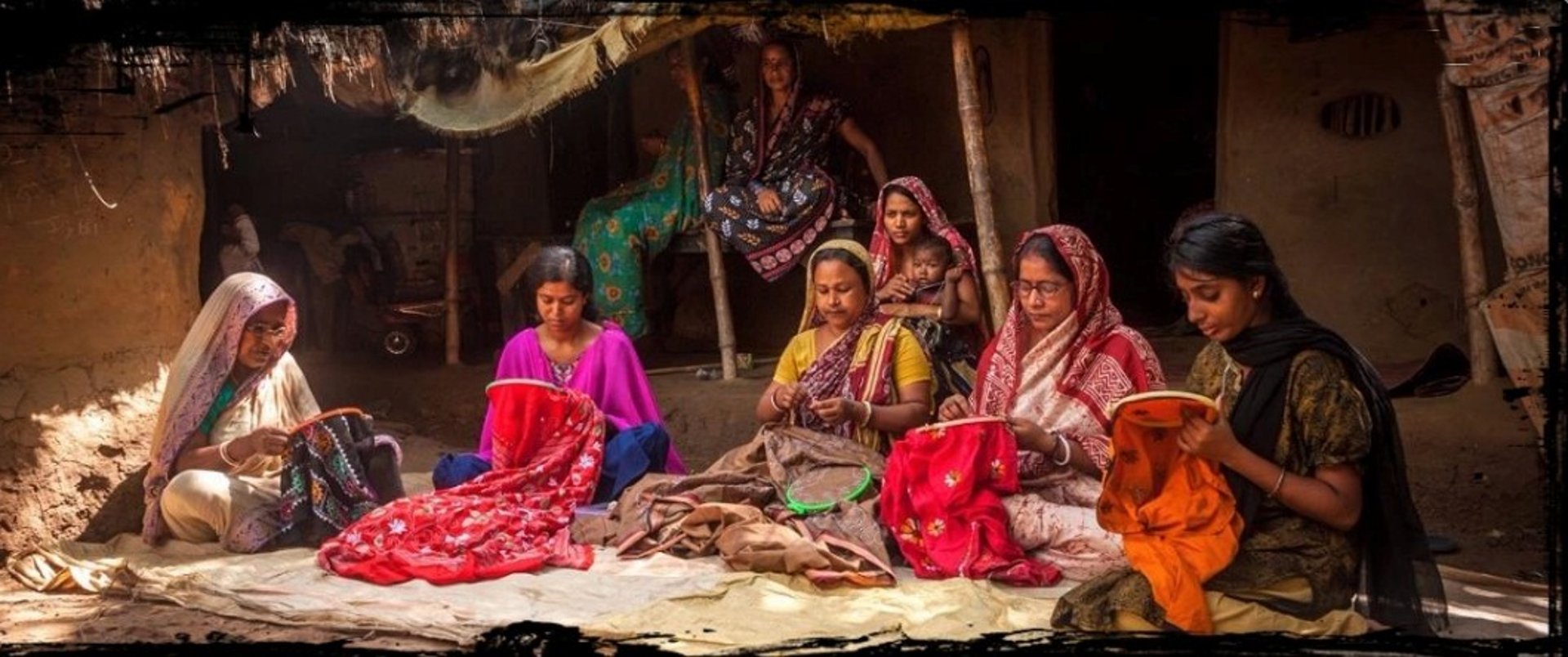
Helps YOU connect with Slow Sustainable Fashion over Mass-Production to SAVE Natural Resources, Raw Material and reduce Wastage and impulsive Consumption.
Established in 2013 in Kolkata, West Bengal, Project Rangamaati is a leading online craft store in India, Operating under a fully integrated inventory model. This approach ensures that all products are carefully handled and shipped directly from our Central Hub, reflecting our unwavering commitment to Authenticity and Quality. Project Rangamaati stands as a trusted authority in Traditional Indian Crafts, offering Customers an Authentic connection to India’s rich Artisanal Heritage.
Subscribe to our newsletter
sanjayg@rangamaati.com
+91-9804-219-546
© 2026. All rights reserved | Project rangamaati.
Support our Crowdfunding
May We Help You
Track Your Order
Terms & Conditions
Bulk Orders.
Quick Links
Organisation
projectrangamaati@gmail.com
Got a Question? Call

Love to hear from You
Our B2C Partners
Men's Collection
WE SUPPORT SILK, HANDLOOM & HANDICRAFTS PRODUCTS ALL ALONG PRACTISING FAIR TRADE AT A FAIR PRICE.

Press & Media
+91-8902-152-405