Discover Unique Handloom & Handicrafts of INDIA all along Empowering the Artisans !

Reviving Mousuni Inland: The Role of Responsible Camping
Mousuni Inland, a once-thriving region abundant in biodiversity and c ultural significance, is currently witnessing a troubling decline. A combination of environmental, social, and economic factors is contributing to this deterioration, putting at risk both the natural ecosystems and the local communities that depend on them. Grasping these intricate issues is crucial for creating strategies for responsible camping and sustainable tourism that might help rejuvenate the region.
DISCOVER BENGAL
Subir Samanta -
8/31/20267 min read


Comprehending the Deterioration of Mousuni Inland
The environmental challenges primarily stem from climate change and human activities. The rise in sea levels has markedly eroded the coastal lines around Mousuni, impacting local habitats, especially mangroves, which act as essential buffers against natural disasters. Additionally, the influx of pollutants from adjacent urban areas worsens the degradation of water quality, complicating the survival of endemic species. This deterioration not only affects local wildlife but also disturbs the ecological equilibrium necessary for a healthy environment.
Socially, the decline of Mousuni Inland is linked to shifts in local livelihoods. Historically, many communities have relied on fishing and agriculture, but now they face diminishing resources due to overexploitation and environmental changes. Moreover, there is an increasing trend of urban migration, prompting younger generations to seek job opportunities in cities, thereby weakening the local cultural fabric and traditional knowledge systems that once promoted harmony with nature.
Economically, the absence of sustainable practices has stunted growth potentials in Mousuni Inland. Over-tourism and poorly conceived developments frequently prioritize immediate gains over ecological sustainability, resulting in heightened waste and habitat destruction. These economic activities not only jeopardize the local economy but also discourage environmentally conscious visitors who seek authentic experiences and support conservation efforts.
The current condition of Mousuni Inland presents a multifaceted interaction of environmental decline, social turmoil, and economic hurdles. Tackling these challenges through responsible camping practices could create a pathway to rejuvenate this vital ecosystem, ensuring its preservation for future generations while improving the livelihoods of local communities.
The Principle of Responsible Camping
Responsible camping is the practice of participating in outdoor recreational activities while minimizing the impact on the natural environment. It includes a framework of principles aimed at protecting ecosystems, wildlife, and natural resources, ensuring these valuable areas remain safeguarded for future generations. Central to this concept is the Leave No Trace (LNT) initiative, advocating for seven core principles aimed at reducing human impact while camping.
The initial principle encourages campers to prepare and plan ahead adequately. Preparation helps to avert potential environmental damage by ensuring that campers stick to designated paths and campsites, thus protecting vegetation and reducing soil erosion. Adhering to this guideline not only preserves the landscape but also enhances the experience of camping.
Another critical facet of responsible camping is practicing sustainability. This involves using resources responsibly to meet present needs without compromising future generations' ability to meet their own needs. Campers should utilize eco-friendly products, engage in water conservation, and ensure proper disposal of waste. Incorporating sustainable practices reduces camping activities' ecological footprint and promotes a respectful relationship with nature.
In addition to these practices, educating campers about local wildlife and ecosystems is vital in responsible camping. Recognizing the importance of preserving biodiversity and the delicate balance of ecosystems informs campers about their interactions with nature. Insights into local species, habitat needs, and the effects of human activities foster a sense of stewardship among campers, ultimately advancing conservation efforts.
The principle of responsible camping protects the allure and integrity of natural areas, making it essential for all outdoor enthusiasts to embrace these practices. By committing to responsible camping, individuals can relish the outdoors while contributing positively to environmental preservation.
Impact of Camping on the Environment
Camping, often seen as a means to reconnect with nature, can dramatically affect the environment if not performed responsibly. Traditional camping methods can cause various environmental issues, including soil erosion, water pollution, and harm to wildlife. A significant impact is soil erosion, occurring when campers create trails that disrupt vegetation and compact the soil. This disturbance can impair the soil's water retention capabilities, consequently increasing runoff and further erosion.
Another pressing issue is water pollution, which may result from improper waste disposal and littering. Campers might unintentionally or purposely leave behind trash, food remnants, or even human waste, contaminating local water sources. Such pollution negatively impacts aquatic ecosystems and can pose health risks to wildlife and future visitors. Furthermore, exposing wildlife to human food can trigger various adverse effects, such as malnutrition, dependence on human food sources, and increased risks of human-animal conflicts.
Conversely, responsible camping practices can significantly mitigate these adverse effects. By following guidelines like Leave No Trace principles, campers can lessen their environmental impact. This includes adhering to established paths to protect surrounding vegetation, using biodegradable products, and ensuring proper waste disposal. Such methods not only shield the immediate environment but also promote the sustainability of camping areas for future generations.
Ultimately, distinguishing between the harmful effects of conventional camping and the benefits of responsible camping is essential for maintaining natural habitats. By comprehending the consequences of their actions, campers can adopt more sustainable behaviors that protect the environment, ensuring areas like Mousuni remain enjoyable for years to come.
Community Participation in Conservation Initiatives
Local communities are crucial in conserving natural resources and ecosystems, especially in regions like Mousuni Inland. Involving these communities is vital for establishing sustainable conservation strategies, particularly regarding responsible camping programs. By fostering cooperation between local residents and conservationists, a shared sense of stewardship for the land can be developed.
A primary benefit of engaging local communities in conservation is the extensive knowledge they possess about their environment. Residents typically have a deep understanding of local flora and fauna, along with traditional practices that promote ecological balance. This local knowledge can be priceless when crafting responsible camping initiatives that align with the ecological needs of Mousuni Inland. Collaborative development of these programs increases the likelihood of community acceptance and maintenance.
Involving local residents in responsible camping initiatives can also yield economic advantages for the community. When developed thoughtfully, such initiatives can offer new economic opportunities through eco-tourism, thereby helping to fund conservation efforts and improve local livelihoods. For instance, family-run campsites can accommodate visitors while promoting environmental education and practices among campers.
Additionally, promoting community involvement fosters social cohesion, as residents come together to preserve their environment. This collaborative effort not only fortifies local relationships but also empowers residents, equipping them with essential skills and knowledge for effective conservation actions.
In conclusion, prioritizing community engagement in conservation efforts at Mousuni Inland is of utmost importance. Involving local residents in responsible camping initiatives can establish a sustainable conservation model benefiting both the ecosystem and the inhabitants.
Success Stories of Responsible Camping
Responsible camping has proven to be an influential method to enhance outdoor experiences while rejuvenating natural habitats in various locations worldwide. A notable illustration is the efforts in Oregon, USA, where local authorities joined forces with non-profit organizations to cultivate sustainable camping practices in the Cascade Mountain region. Here, camping sites were built with eco-friendly materials, waste disposal facilities were emphasized, and educational programs for campers on environmental conservation were initiated, leading to a marked recovery in local flora and fauna.
In Canada, Banff National Park has effectively introduced responsible camping programs. Park management established strict regulations for camping activities, including designated zones to minimize human effects on sensitive ecosystems. Additionally, periodic clean-up efforts coordinated by local volunteers have yielded positive results, highlighting the significant role of community engagement in preserving the integrity of natural areas. Such initiatives have positively influenced wildlife populations, allowing animals to revert to their natural behaviors without camper interference.
Another inspiring example is seen in New Zealand with the Department of Conservation's initiative titled "Benefits of Responsible Recreation." This program aims to educate both locals and tourists about the significance of sustainable practices during camping and trekking. Informational signage, workshops, and guided tours aimed at raising awareness about biodiversity preservation have assisted in reducing the negative repercussions typically linked to camping in natural areas. Participants in these initiatives frequently report an increased appreciation for the environment as they adopt more eco-friendly habits.
These instances showcase that responsible camping not only safeguards and restores ecosystems but also fosters a stronger connection between humans and nature. By drawing lessons from these successful case studies, Mousuni Inland can embark on a parallel path toward environmental restoration, leveraging the beneficial effects of responsible camping.
Practical Advice for Responsible Campers
Camping at Mousuni Inland provides a unique chance to connect with nature while encouraging stewardship of the environment. To ensure your trip is both enjoyable and sustainable, here are practical tips for responsible campers.
First and foremost, proper waste management is essential. Campers should bring trash bags to remove all litter, including food scraps and plastic items. Leaving the campsite clean is vital for protecting the beautiful landscapes and wildlife inhabiting Mousuni Inland. Additionally, consider using biodegradable products to lessen environmental impact.
Next, it’s crucial to respect wildlife in Mousuni. Keeping a safe distance from animals is important; feeding wildlife disrupts their natural behaviors and habitats. Observing wildlife without interaction nurtures a respectful relationship between campers and the ecosystem.
Another key responsibility is minimizing your environmental footprint. Choose established campsites to avoid impacting pristine areas and consistently abide by the principle of 'Leave No Trace.' This entails camping on durable surfaces like gravel or established paths and avoiding trampling vegetation that could induce soil erosion.
When it comes to campfires, comply with local regulations concerning fire restrictions and burning materials. If fires are permitted, ensure they are kept small and controllable and that they are fully extinguished before departure. This practice not only protects the immediate environment but also reduces wildfire risks.
Finally, educate yourself about the local flora and fauna. Understanding the area’s ecosystems can guide your camping practices and enhance your appreciation for nature. Be sure to research sensitive habitats or endangered species before your visit to Mousuni Inland.
By adhering to these actionable tips, campers can play a role in preserving Mousuni Inland, ensuring it remains a vibrant and captivating destination for future generations.
Future Paths for Mousuni Inland
As the emphasis on sustainability increases, Mousuni Inland stands at a pivotal moment, where responsible camping practices can significantly contribute to its preservation. The future trajectory of this unique ecosystem depends on implementing effective policies and sustainable strategies aimed at fostering both environmental stewardship and enjoyment of natural resources.
One of the primary strategies could involve imposing rigorous regulations on camping to reduce environmental impact. This might include establishing designated camping areas that minimize disturbance to sensitive ecosystems, ensuring the ecological integrity of Mousuni Inland is upheld. Moreover, introducing a permit system could help manage visitor numbers, preventing overuse and facilitating heightened conservation efforts.
Education represents another essential aspect in shaping the future of Mousuni Inland. By launching awareness initiatives aimed at both campers and local communities, stakeholders can promote responsible camping principles. These campaigns could cover topics like Leave No Trace guidelines, local wildlife protection, and sustainable practices, empowering visitors to make informed choices supporting conservation efforts.
Additionally, collaborating with local organizations can fortify the conservation framework within Mousuni Inland. Partnerships with environmental groups could enhance monitoring and research initiatives, yielding valuable data on the ecosystem's health. Through these collaborative efforts, camping practices could be adapted to better align with the unique ecological characteristics of the area.
Investing in infrastructure that supports responsible camping, such as eco-friendly restrooms and waste management systems, is also vital. These improvements will not only enhance the camping experience but also lessen detrimental impacts on the natural environment. Incorporating innovative technology can also optimize resource management, ensuring a balance between recreational use and conservation.
In summary, implementing effective strategies and policies centered around responsible camping is essential for the preservation of Mousuni Inland. By adopting these approaches, we aim to create a sustainable future where visitors can appreciate the natural beauty while actively contributing to its protection.
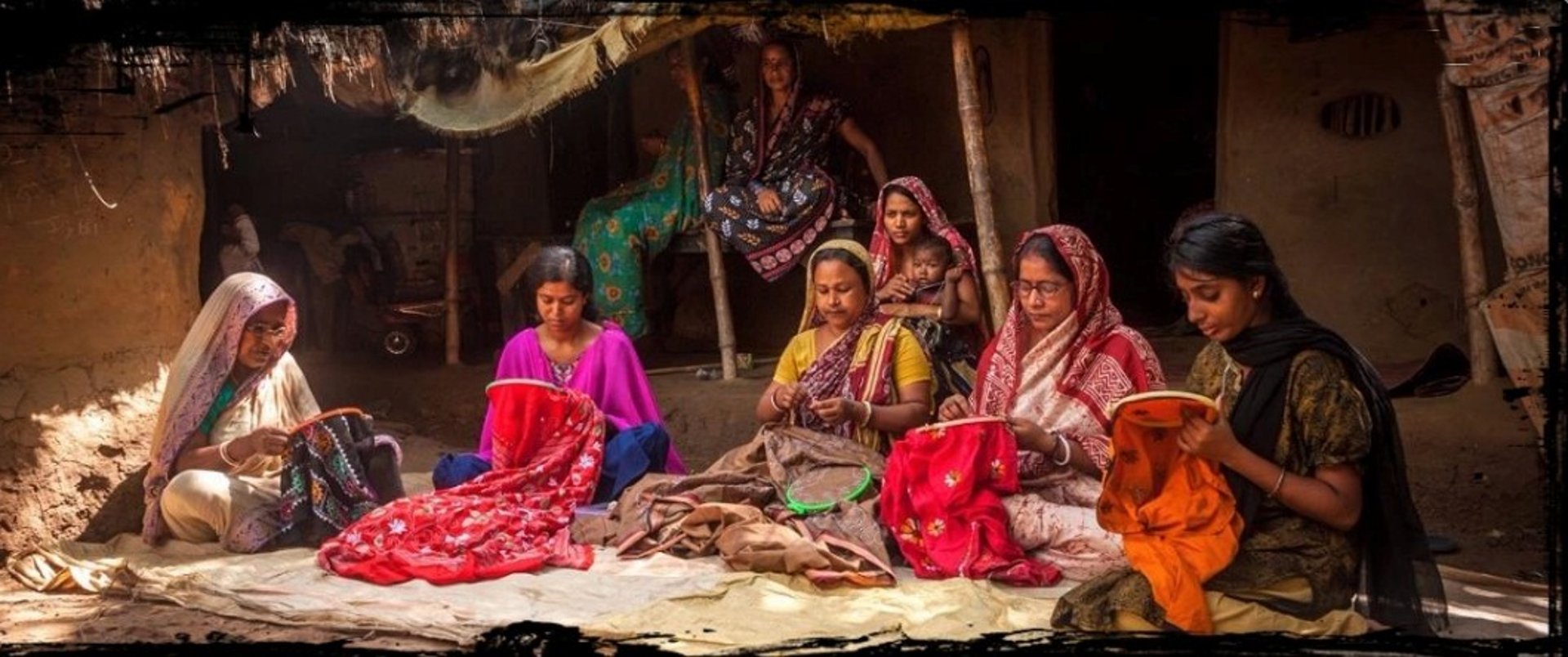
Project rangamaati
Helps YOU connect with Slow Sustainable Fashion over Mass-Production to SAVE Natural Resources, Raw Material and reduce Wastage and impulsive Consumption.
Established in 2013 in Kolkata, West Bengal, Project Rangamaati is a leading online craft store in India, Operating under a fully integrated inventory model. This approach ensures that all products are carefully handled and shipped directly from our Central Hub, reflecting our unwavering commitment to Authenticity and Quality. Project Rangamaati stands as a trusted authority in Traditional Indian Crafts, offering Customers an Authentic connection to India’s rich Artisanal Heritage.
Subscribe to our newsletter
sanjayg@rangamaati.com
+91-9804-219-546
© 2026. All rights reserved | Project rangamaati.
Support our Crowdfunding
May We Help You
Track Your Order
Terms & Conditions
Bulk Orders.
Quick Links
Organisation
projectrangamaati@gmail.com
Got a Question? Call

Love to hear from You
Our B2C Partners
Men's Collection
WE SUPPORT SILK, HANDLOOM & HANDICRAFTS PRODUCTS ALL ALONG PRACTISING FAIR TRADE AT A FAIR PRICE.

Press & Media
+91-8902-152-405