Discover Unique Handloom & Handicrafts of INDIA all along Empowering the Artisans !

20 Great Fairs of Bengal ,You must Visit.
To experience the vibrant culture of West Bengal, you must visit fairs such as the Ganga Sagar Mela at Sagar Island, Poush Mela in Shantiniketan, Kenduli Mela at Joydeb Kenduli, and Tusu Mela in Purulia, which showcase religious significance, folk art, and local handloom & handicrafts. Other notable fairs include the Raas Mela in Cooch Behar, the Bishnupur Mela in Bankura, the Jalpesh Mela in Jalpaiguri, and the Teesta Tea & Tourism Festival in Darjeeling.
FESTIVALS, EVENTS & RITUALS
Sayani Bandhopadhya - Phd Student ( Bengal Folklore & its Cultural Significance )
10/21/201611 min read
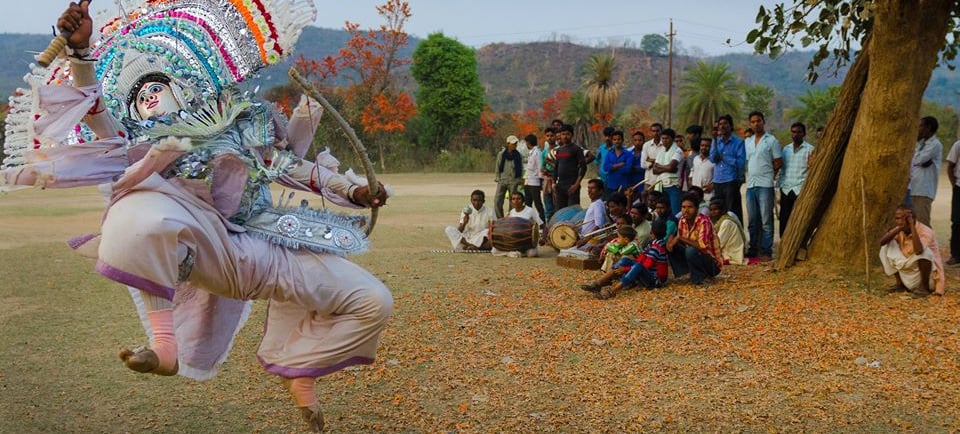
Bengal is not seen in museums. Bengal is felt in its Melas.A mela is where faith becomes a fairground, where a Baul's song meets a Dokra-maker's stall, where the aroma of jilipi mixes with the sound of dhak. If you want to experience the real, vibrant culture of West Bengal, you must walk through its dust, music and colour.
Here are 20 fairs You must visit at least once:
1. The Sacred Pilgrimages :
1. Ganga Sagar Mela, Sagar Island (Jan) - The Ganga Sagar Mela is an annual Hindu pilgrimage and fair held on Sagar Island (Sagardwip) in West Bengal, drawing millions of devotees to take a holy dip (punya snan) at the confluence of the Ganga River and the Bay of Bengal during Makar Sankranti (typically January 13–15) where the river meets the sea and offer special prayers at the Kapil Muni Temple.. It is recognized as India's second-largest religious gathering after the Kumbh Mela. Sab tirtha bar bar, Ganga Sagar ek bar.
2. Jalpesh Mela, Jalpaiguri (Feb-March) - Dedicated to Lord Shiva at the ancient Jalpesh Temple. A month-long Shaivite fair of North Bengal.A massive annual religious fair held at the historic Jalpesh Temple in Maynaguri, Jalpaiguri district, West Bengal. It takes place during the Hindu festivals of Shivaratri (February-March) and the holy month of Shravan (July-August).
3. Raas Mela, Cooch Behar (Nov) - Cooch Behar Raas Mela is a famous annual winter festival and the largest fair in Northeast India and West Bengal, celebrating the Raas Yatra of Sri Sri Madanmohan Thakur near the historic Madan Mohan Temple. It was started more than 200 years ago during the rule of the 17th Maharaja of Cooch Behar and takes place every year around November and December on Raas Purnima. The grandest Raas festival in Bengal, started by the Koch kings. A spectacular celebration of Radha-Krishna love.
4. Charak / Gajan Mela, Across Bengal (April) - Charak and Gajan is a traditional folk festival in West Bengal dedicated to Lord Shiva, marked by strict fasting, colorful village fairs, and the dramatic hook-swinging Charak ritual. Celebrated at the end of the Bengali year, it falls on Chaitra Sankranti (mid-April) to pray for a good harvest and good fortune The jaw-dropping fair of Lord Shiva's devotees with body-piercing rituals and folk theatre.
2. The Folk, Music & Soul Fairs :
5. Poush Mela, Shantiniketan (Dec) - Tagore's creation. Red earth, Bauls, tribal dance, live Kantha and Batik -“Santiniketan Mela” the most artistic fair of India.— not merely a traditional fair, but as a modern movement.A movement that builds a bridge between education, health, industry, agriculture, culture, startups, and many other sectors.Santiniketan Mela creates a unique platform where Rural artisans, traditional craftsmen, farmers, educators, healthcare innovators, and industries can exhibit, promote, and showcase their products, services, ideas, and innovations before thousands.
6. Kenduli Mela / Jaydev Mela, Joydeb Kenduli (Jan) - An annual cultural and religious festival held in Joydev Kenduli on the banks of Ajay river celebrating poet Jayadeva.It takes place during Makar Sankranti (mid-January) and is celebrated as the world's largest gathering of Baul folk singers and mystic minstrels.Thousands of wandering Bauls from across the state gather in 160 temporary hermitages (akharas) to sing, dance, and play traditional instruments like the ektara and dotara. The festival officially begins on Makar Sankranti with thousands of pilgrims taking a holy dip in the Ajay River before visiting the historic Radha Binod Temple.
7. Tusu Mela, Purulia (Jan) - A women's festival. Unmarried girls sing haunting Tusu songs about harvest and home and carry the Goddess Tusu in colourful Choudals (Elaborate, decorated structures representing the goddess Tusu) .Tusu Mela in Purulia is a vibrant, traditional harvest festival celebrated with folk songs, community fairs, and riverbank gatherings. It takes place throughout the Bengali month of Poush, culminating on Makar Sankranti (mid-January) with large melas held near rivers like the Kangsabati (Kansai). The month-long celebration ends on Makar Sankranti as people gather by water bodies to immerse the choudols amidst massive community fairs and folk dances.
8. Jhumur & Chhau Mela, Purulia (Sept-April) - The Jhumur and Chhau Mela (also known as the Chau Jhumur Utsav) is a vibrant cultural festival in Purulia, West Bengal, celebrating high-energy masked dance featuring acrobatic movements, martial arts, and colorful mythological storytelling. It takes place in rural hubs like Bamnia and Balarampur as a free, open-to-all community event. Not one mela, but a season of masked dances, drum beats and epic storytelling under open skies. Artisan showcases local crafts and handmade Chhau masks supported by cultural heritage programs.
3. The Craft & Handloom Fairs:
9. Bishnupur Mela, Bankura (Dec) - Held every December, for 5 days, right against the backdrop of the 17th-century terracotta temples, this is not just a mela. It is a living museum.Held on last week of December (Usually 23rd - 27th Dec) at the Dalmadal Cannon Ground, near Rashmancha, Bishnupur, Bankura,initailly started by West Bengal Government in 1988 to revive Malla culture. At sunset, the laterite temples - Jorbangla, Shyam Rai, Rashmancha - are lit up. In front of them, on open stages, you will see classical artists performing Bishnupur Gharana - Bengal's only classical music gharana, born in the Malla king's court 300 years ago.The largest gathering of Bankura's artisans,where you would find the authentic Bankura Horse, Dokra figurines and Baluchari sarees directly from makers,without middlemen intervention.
10. Hastashilpa Mela, Kolkata (Nov-Dec) - The Hastashilpa Mela (Handicrafts Fair) is an annual event organized by the Government of West Bengal to promote and support traditional artisans, weavers, and craftsmen. It serves as a platform where rural artisans can directly interact with buyers, eliminating middlemen and ensuring fair trade.Usually held at the Central Park Mela Ground, Salt Lake, Kolkata, during the winter months of December to January and spans around 15–20 days, attracting thousands of visitors daily, including locals, tourists, designers, and art enthusiasts.Apart from shopping, the Hastashilpa Mela is a cultural feast where visitors enjoy Folk performances like Baul music, Chhau dance, Jhumur songs, feast on Traditional Bengali sweets, Rajasthani dal-baati, Mughlai kebabs watch Live demonstrations,from Weavers weaving textiles,Artisans making pottery, or painting live.
11. Patachitra Mela / Pot Maya, Pingla, Medinipur (Nov) - A Patachitra is never silent. The Patua will unroll his 10-foot scroll and sing the story painted on it - called Pater Gaan. For centuries, they were traveling news reporters - singing stories of Mahabharata, Manasa Mangal, and even Tsunami and 9/11. At POT Maya Utsav, you sit on a mud floor, and a 70-year-old Patua sings the story of his scroll while his granddaughter shows the painting.You walk through lanes where every hut's mud wall is painted with Patachitra. Every courtyard is a workshop. You could learn to make natural colours - soot black, turmeric yellow, marigold orange, conch-shell white. The village of painters becomes a living gallery making You forget the common market prints. At Pingla you would get the real Long Scrolls (Jorano Pot): 8-15 feet long, mythological stories,Chouko Pot (Square Paintings), Perfect for wall frames with drwaings of Durga, Ganesha, Tribal life. Wearable Art such as Patachitra on sarees, kurtas, umbrellas, and t-shirts and Home Decor items such as Lampshades, trays, kettles, jewellery boxes painted with bold Kalighat-style pattachitra paintings. At Rangamaati, we work directly with 6 families - Swarna ,Jamella Rupsona , Bahadur , and Monimala Chitrakar. Every piece has the artist's name on the back. When you buy, you support the song to continue.
12. Shilpagram Mela, Bolpur (Year-round vibe) - Srijani Shilpagram, the permanent craft village near Shantiniketanin Bolpur is a cultural village and open-air museum showcasing the art, crafts, and heritage of eastern India open for for daily craft shopping. It features traditional huts, weekend fairs, and folk performances. Srijani Shilpagram hosts regional craft fairs, handloom displays, weekend haats, and folk dance or Baul music programs organized by the Eastern Zonal Cultural Centre (EZCC)
4. Tea, Tourism & Border Fairs:
13. Teesta Tea & Tourism Festival, Darjeeling & Dooars (Dec-Jan) - In the plains, winter means Poush Mela. In the hills, winter means Teesta.When the tea gardens turn misty gold and the Teesta river runs crystal blue, Darjeeling and the Dooars host North Bengal's grandest celebration - the Teesta Tea & Tourism Festival.Organized by Darjeeling Gorkha Hill Council & West Bengal Tourism during last week of December to early January (5-7 days)at not one place, but Darjeeling Chowrasta, Kalimpong, Teesta Bazaar, Jalpaiguri, and Dooars (Murti, Jaldapara).Started to promote Darjeeling tea and Dooars eco-tourism after the Gorkhaland unrest - now Bengal's biggest winter tourism draw. At Chowrasta in Darjeeling, the top estates - Makaibari, Thurbo, Glenburn - set up tasting stalls. You learn to slurp like a pro, differentiate muscatel from malty. There is even a Tea Auction where you can bid for rare 2nd flush. At Teesta Bazaar (between Darjeeling & Kalimpong), the river becomes the stage. White-water rafting championships, kayaking, rock climbing, paragliding over Teesta valley are conducted. Evenings are celebrated with Bonfire and Folk Songs performance.,where You will see Maruni dance (Nepali), Lepcha Mun Dance, Toto tribal dance (Toto tribe is just 1500 people left, in Dooars), and Tibetan Cham.The festival extends to Murti and Jaldapara with jeep safaris in the morning, tribal food festival at night with Pithas made from millet and wild mushrooms.
14. Darjeeling Orange Festival (Dec) - Organized by Gorkhaland Territorial Administration (GTA) + Horticulture Dept + Local Orange Growers Association generally on 2nd week of December (3 days) to support hill farmers who grow organic oranges without any pesticide - and to stop middlemen from taking all the profit. During December, Darjeeling doesn't just smell of tea. It smells of oranges.While the Teesta Festival celebrates the river, the Darjeeling Orange Festival celebrates the fruit that built the winter economy of the hills - the sweet, thin-skinned Darjeeling Mandarin Orange.Held in the quiet hamlets of Mirik, Mungpoo, and Rangli Rangliot, this is Bengal's most fragrant and most delicious fair.This is serious business for farmers. Hundreds of farmers bring crates of their best oranges. There are competitions for Sweetest Orange,Largest Orange,Best Orange Juice,Best Orange Wine and Marmalade.The winning farmer gets a cash prize and his orchard gets GI-tag buyers for the next year.Everything is orange, Fresh juice in bamboo glasses, orange momos, orange peel candy, orange wine from Kalimpong, orange honey, and even orange tea (a mix of Darjeeling tea + dried orange peel - you must try). Lepcha women sells orange-dyed wool shawls.Evenings have Maruni, Damphu dance, and acoustic Nepali folk. No big Bollywood stage - just bonfire, guitars, and stories of the hills.
15. Sunderban Kristi Mela, Gosaba - A Celebration of Survival (Dec) - Rooted in Sir Daniel Hamilton’s cooperative vision of 1903 and nurtured today by the West Bengal Government, the Sundarban Kristi Mela was created to preserve the living culture of the Sundarbans.
It is held at the Gosaba Block Ground, Gosaba Bazar, South 24 Parganas — the last inhabited island and gateway to the Sundarban Tiger Reserve. Hamilton had founded Gosaba as a cooperative settlement for landless farmers, fishers (Jele), honey collectors (Moule), and woodcutters (Bawali), and the mela honours their descendants.While most fairs in Bengal celebrate a harvest, a deity, or a craft, Gosaba celebrates something rarer — Survival. Held in the last week of December, just before the core forest begins, this is where people who live alongside tigers, crocodiles, and cyclones gather to thank their protector, Maa Bonbibi.At the mela, the forest comes alive on stage through the all-night Bonbibi Pala, the opera of Bonbibi and Dakshin Rai, the tiger demon. Young boys, their bodies painted in yellow and black, perform the powerful Bagh Nritya (Tiger Dance). This is not mere entertainment, but a ritual — a prayer to calm the tiger spirit and keep the balance between man and forest.
16. Cooch Behar Heritage Festival - Kolkata has Victoria. Bishnupur has terracotta temples. But North Bengal has a real, living palace - the Cooch Behar Rajbari.And once a year, for 7 days in February-March, this palace stops being a museum. It becomes a stage. The lights come on, the royal gates open, and the 500-year-old Koch Kingdom returns.This is the Cooch Behar Heritage Festival - the most royal mela in Bengal.
Organized by Cooch Behar Municipality, WBTDC & Koch Rajbongshi Cultural Board generally on last week of February (7 days) at Cooch Behar Palace Complex & Madan Mohan Temple Ground, Cooch Behar town.Every evening, the entire palace is lit with heritage lighting. Inside the Durbar Hall, you see ,history through Light & Sound - Story of Maharaja Nripendra Narayan and Maharani Sunity Devi ,Royal Procession (Raj Jatra),Locals dressed as Koch kings, queens, soldiers marching from palace to Madan Mohan Temple, just like 100 years ago.
This festival is not Bengali. It's Rajbongshi. The Rajbongshi are Koch descendants, with their own language, music, and weave.You would hear and watch Bhawaiya songs - Long, soulful songs of separation sung by cart drivers. Called the Blues of North Bengal. Chhau & Bamboo Dance by tribal groups, Mukha Mela - Huge bamboo masks of Gods, Demons and Tigers used in rituals worn and dance presentation
5. Food & Folk Celebration Fairs
17. Kolkata Book Fair, Kolkata (Jan-Feb) - Delhi has politics. Mumbai has cinema. Kolkata has books.For 12 days every winter, a city stops to read. No other city in India can make a book fair feel like Durga Puja.This is the International Kolkata Book Fair (Antarjatik Kolkata Boi Mela) - officially the world's largest non-trade book fair and Asia's largest. 2.5 million people visit. 600+ publishers come.For Bengalis, Boi Mela is not shopping. It's an emotion.Organized by Publishers & Booksellers Guild since 1976,last week of January to early February (12 days) at Central Park Mela Ground, Karunamoyee, Salt Lake (Boi Mela Prangan),Book fair is not just a fair, it's an emotion. World's largest non-trade book fair.
18. Fish Festival / Machh Mela, Kolkata- If Poush Mela is for the soul and Boi Mela for the mind, Machh Mela is for the stomach.Organized by Dept. of Fisheries, Govt. of West Bengal during first / Second week of December (5 days) at Nalban Food Park, Sector V, Salt Lake, Kolkata (sometimes held at Eco Park).Started in 2011 to promote fish farming and save indigenous fish species that were disappearing.40+ food stalls from all districts. Each stall representing one type of fish and one district's specialty,for reference South 24 Parganas Hilsa Biryani, Pabda Jhal,East Midnapore,Mud Crab Masala, Prawn Malai Curry,Nadia & Murshidabad: Chital Muitha, Bhetki Paturi cooked in front of you while North Bengal prides of Boroli fish fry from Teesta.The most watched event is The Cooking Competition - Maa vs Chef. Home cooks (mostly mothers) compete with 5-star chefs in authentic Bengali fish curry cooking. Judges taste and give awards. Last year, a 68-year-old grandmother from Contai won for her Pabda Jhal.
19. Basanta Utsav, Shantiniketan (March) - Basanta Utsav is a unique celebration initiated by Nobel laureate Rabindranath Tagore at Visva-Bharati University, transforming the traditional Holi festival into an elegant cultural event.Basanta Utsav, also known as Holi, holds immense cultural significance in Santiniketan. It is a time when people come together, irrespective of caste, religion, or gender, to celebrate the arrival of spring. This festival is a symbol of unity and happiness, bringing individuals from all walks of life under one colorful umbrella of joy. The vibrant cultural heritage of the region is showcased through the exchange of colors made from flowers and natural ingredients such as turmeric powder and sandalwood paste. During Basanta Utsav, the air is filled with the sounds of music and dance. Traditional folk dances like Bauls, along with feasting on delicious regional cuisine, add to the celebratory atmosphere. The colors used during this festival represent happiness and positivity, washing away all negativity from the past. Basanta Utsav is a time for forgiveness, spreading love and harmony, and embracing the beauty of nature.
20. Jhapan Mela, Vishnupur & Burdwan (Aug) - West Bengal is famous for its rich cultural heritage and the uniqueness of its traditions. There is a festival here for every season and every occasion. Jhapan is one of the most unique festivals celebrated in West Bengal. The festival is dedicated to Goddess Mansha, believed to be the daughter of Lord Shiva, who is also considered to be the Goddess of Snakes. The western part of the state, especially Vishnupur in Bankura distict of West Bengal, celebrates this day with great enthusiasm . Jhapan is celebrated in the month of Shravan (mid-August as per the Gregorian calendar). People worship Goddess Mansha - the Snake Goddess in this season, for good rainfall and enhancement of the fertility of their land. As West Bengal has an agro-based economy, the tradition is being carried out for a long time here. This celebration is considered to be auspicious for the coming harvest season. The festival is celebrated with local fairs and other festivities, like stage shows of local plays and snake shows by local snake charmers.
Project Rangamaati's Tip: How to Experience a Mela Like a Local?
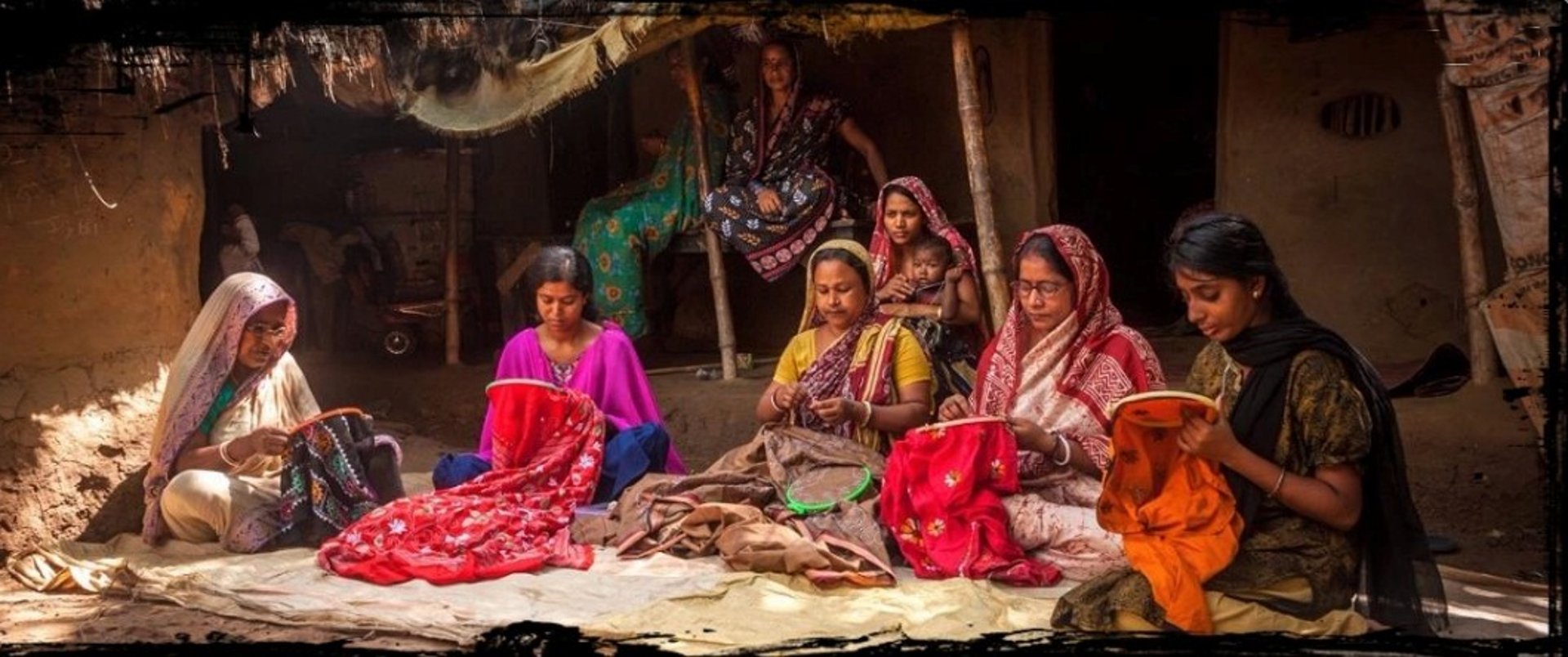
Don't just go as a tourist. Go as a Art Collector. At every mela, look for the artisan corner. That's where you will find the real Bengal - a hand-beaten Dokra Durga from Bikna, a palm-leaf chitari from Murshidabad, a small terracotta horse still warm from the kiln.
At Rangamaati, we bring these very melas to you. Every product on our website comes from the same hands that set up stalls at Kenduli, Bishnupur and Pingla.
Which mela have you visited? Which one are on your bucket list? Tell us in comments, and we will send you a curated list of what authentic craft to buy from that mela.
Explore the crafts of Bengal: [www.rangamaati.com]
Project rangamaati
Helps YOU connect with Slow Sustainable Fashion over Mass-Production to SAVE Natural Resources, Raw Material and reduce Wastage and impulsive Consumption.
Established in 2013 in Kolkata, West Bengal, Project Rangamaati is a leading online craft store in India, Operating under a fully integrated inventory model. This approach ensures that all products are carefully handled and shipped directly from our Central Hub, reflecting our unwavering commitment to Authenticity and Quality. Project Rangamaati stands as a trusted authority in Traditional Indian Crafts, offering Customers an Authentic connection to India’s rich Artisanal Heritage.
Subscribe to our newsletter
sanjayg@rangamaati.com
+91-9804-219-546
© 2026. All rights reserved | Project rangamaati.
Support our Crowdfunding
May We Help You
Track Your Order
Terms & Conditions
Bulk Orders.
Quick Links
Organisation
projectrangamaati@gmail.com
Got a Question? Call

Love to hear from You
Our B2C Partners
Men's Collection
WE SUPPORT SILK, HANDLOOM & HANDICRAFTS PRODUCTS ALL ALONG PRACTISING FAIR TRADE AT A FAIR PRICE.

Press & Media
+91-8902-152-405