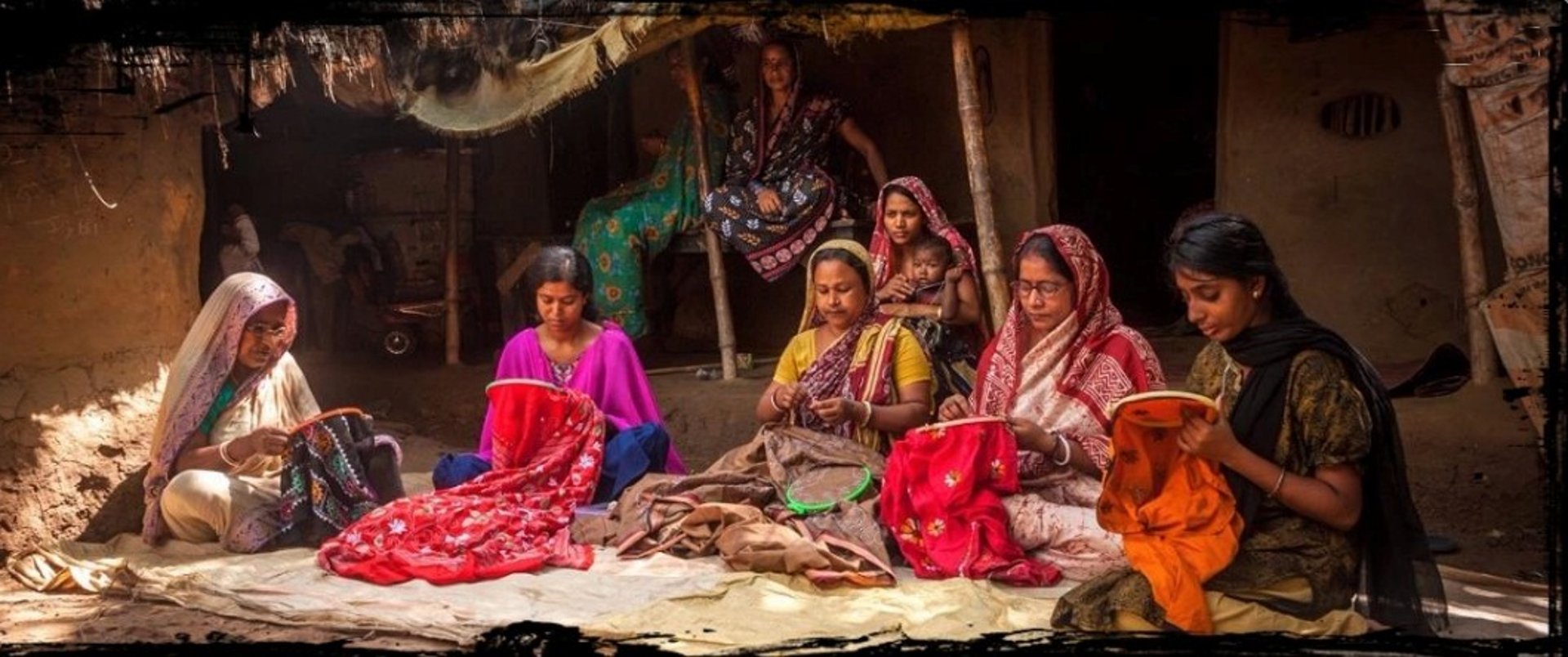
Why We Celebrate Art, Craft, and Sustainable Fashion of Bengal.
Bengal doesn't need fast fashion. Bengal invented slow fashion 500 years ago.
In a world of plastic and mass production, Bengal still has villages where a woman takes 7 days to weave one Sital Pati mat. Where a man melts wax and clay to make one Dokra elephant - the same way his ancestors did for the Koch kings. Where terracotta is not decor, it's the earth of Bishnupur itself.
What does Sustainable Fashion mean to us?
Sustainable for the Earth: What We Make Is What the Earth Gave Us. Our materials are Terracotta (earth), Bamboo (grass that grows 1 ft a day), Sital Pati (natural cane), Dokra (recycled brass). No plastic, no chemical dye, no factory waste.
At Rangamaati, we don't manufacture. We collaborate with the Earth.Bengal has never needed factories to make beautiful things. Our soil, our rivers, our forests already give us everything. We just shape it with hands that have known the craft for 500 years.We use only 5 core materials. Nothing synthetic. Nothing that harms.
For Example :Dokra - The 4000-Year-Old Art of Recycled Brass.
What it is: Lost-wax casting technique from the Harappan era. Used by the Dhokra Damar tribes of Bankura and Bikna.
Why it's the most sustainable metal craft in the world:100% Recycled Brass: We don't mine. Artisans collect broken brass vessels, old locks, and scrap from Local & Kolkata's scrape bazaars and melt them.
Made with a clay core from termite mounds, a wax layer made from beeswax (from Sundarban), and an outer clay layer from paddy fields. All 3 layers return to earth after one use.
One mould = One product. No mass production. No two Dokra elephants will ever have the same face.No chemical polish. Final shine comes from rubbing with tamarind paste and sand.
The Problem We Solve: Factory brass decor uses fresh mining (1 ton of copper mining = 100 tons of toxic waste) and nickel plating. Our Dokra uses scrap and fruit Acid.
Sustainable for the Artisan: Fast fashion survives on middlemen. An artisan in Bankura makes a Dokra elephant for Rs 200, a trader sells it to a wholesaler for Rs 600, who sells it to a mall for Rs 1200, who sells it to you for Rs 2000. The artisan who spent 3 days melting wax and clay gets the least. At Project rangamaati , we cut out all 5 middlemen. We go directly to the artisan where he resides and works - whether it's Dokra art from Bikna , a Sital Pati weaver in Cooch Behar or a bamboo artist in Jhargram - and source directly from their hands. We pay 30-40% above the local market rate when required, because we don't bargain on skill, and we ensure over 60% of your payment goes straight to the maker's family.More than money, We give them Identity. Fast fashion calls them "labour" , We call them Artisans and by their name. Every Rangamaati product carries a hand-written tag - "Made by Artisans Name, Village Name,State and number of Days of making." When you know who made your Artwork /Product, you respect it more, you keep it longer, and that artisan's daughter sees her parent's name valued in a Kolkata home and decides to learn the craft instead of leaving it. That is how a dying craft survives - not by charity, but by dignity and direct, fair income.
Sustainable for Culture: When a craft dies, a story dies. Bonbibi Patachitra has only 12 artists left. Muga silk weaving is leaving North Bengal. By celebrating these crafts at Sundarban Kristi Mela and Cooch Behar Heritage Festival, we keep them aspirational for the next generation.
Fashion that tells a story:
Wearing a Muga Stole is wearing the royal shawl of Cooch Behar's Maharani.
Placing a Tiger Dokra is placing the protector of Sundarban on your shelf.
Serving fish curry in a Terracotta Fish Handi from Machh Mela is serving Bengal's emotion.
Our Promise : What We Will NEVER Use.
To stay true to Bengal's earth, we have a strict NO list, printed along with every products mentioning :
No Plastic | No Chemical Dye | No Polyester Thread | No Factory Waste | No Machine Mass Production.
Even our packaging is sustainable - jute bags from Murshidabad, seed-paper tags that you can plant, and bamboo boxes, not cardboard with plastic tape.
When you hold a Rangamaati product, you are holding earth, grass, reed, and fire. Nothing more, nothing less. It lived in Bengal's soil, it will return to it. In between, it lives with you.
[SHOP FROM OUR EARTH COLLECTION - 100% Biodegradable]