Discover Unique Handloom & Handicrafts of INDIA all along Empowering the Artisans !

Exploring the Colonial Heritage of Dutch, French, and Portuguese Bengal
shaped regional trade, language, cuisine, and religion from the 16th to 18th centuries. Key elements include major trading ports like Hooghly and Chittagong, the introduction of new agricultural crops, and lasting linguistic and culinary shifts.
Prof.Shashanka Sengupta -Ex Teacher [History]-Scotish Church College.
9/28/20268 min read


The Historical Context of Dutch, French, and Portuguese Influence in Bengal
During the late 16th and early 17th centuries, the region of Bengal became a focal point for European powers, primarily the Dutch, French, and Portuguese, who sought to expand their trade networks and assert their dominance in the lucrative spice and textile markets. The motivations behind their arrival were multifaceted, combining economic ambitions with political aspirations. The demand for goods such as silk, spices, and rice attracted these colonial traders, each vying for a strategic advantage.
The Portuguese were among the first Europeans to establish a significant presence in Bengal. Their arrival around the early 16th century marked the beginning of a new era in the region's trade dynamics. They founded ports and trading posts which facilitated commerce not only with Europe but also with other Asian markets. The Portuguese engaged in the local economy and established relationships with local rulers, often using diplomacy and trade agreements to secure their interests.
The Dutch followed closely, setting their sights on Bengal in the early 17th century. The Dutch East India Company (VOC) was instrumental in establishing trading posts in key areas such as Chittagong and Hoogly. Their focus was primarily on controlling the lucrative trade of textiles, which were in high demand in Europe. The Dutch employed strategic alliances and sometimes engaged in military confrontations to cement their influence in the region, navigating the complex relationships with local powers and competing European interests.
On the other hand, the French entered the scene a bit later in the 17th century, establishing their presence in Bengal through trade unions and collaboratives. While their initial ventures did not yield the same magnitude of trade as their Dutch and Portuguese counterparts, they nevertheless contributed to the diversity and competitiveness of the colonial trading environment. The French also attempted to cultivate alliances with local rulers, reflecting a common approach among these colonial powers to integrate with existing political structures.
As these colonial empires flourished, their interactions with local communities shaped the cultural and economic landscapes of Bengal. The influence of the Dutch, French, and Portuguese extended beyond trade, impacting social structures and cultural exchanges that resonate to this day. Understanding this historical context is crucial in grasping the complexities of Bengal's colonial heritage.
An Overview of Bandel Church: A Testament to Portuguese Heritage
Bandel Church, officially known as the Basilica of the Holy Rosary, stands as a potent symbol of Portuguese heritage in Bengal. Located in the Hooghly district, this church dates back to the 17th century and is an enduring reminder of the Jesuit mission's influence in the region. The architectural style of Bandel Church is characteristic of the colonial period, blending European and local design elements. Its façade features intricately carved wooden doors, high ceilings, and majestic arches, illustrating the craftsmanship of the artisans involved in its construction.
The historical significance of Bandel Church cannot be overstated. It was established in 1660 by Portuguese Jesuit missionaries and served as a center for Christian conversion and education in Bengal. Over the years, this sacred space became a focal point for the Catholic community, offering solace and resources to the local populace during a time of considerable social and political upheaval. The church's role in the preservation of Christian culture and the promotion of education in the vernacular language contributed significantly to the social landscape of Bengal.
Several fascinating stories surround the establishment of Bandel Church. One notable account involves its construction on the site of a shipwreck, where it is said that a wooden cross was planted by a sailor who survived the ordeal, marking the spot for the future church. This tale encapsulates the spirit of resilience and faith that characterizes the Catholic community in Bengal, making Bandel Church not merely a place of worship but also a testament to the cultural exchange that defined the colonial era.
In addition to its architectural beauty and historical narratives, Bandel Church continues to serve as a vital religious institution. Its significance during colonial rule established a robust Catholic community in Bengal, which persists today. The church remains a site of pilgrimage, drawing visitors not just for its stunning architecture but also for its deep cultural roots and spiritual importance, thus perpetuating the legacy of Portuguese influence in the region.
Chandannagar: A French Legacy in Bengal
Chandannagar, located on the Hooghly River in West Bengal, is a notable example of French colonial influence in India. Established as a French settlement in the early 18th century, it served as a strategic trade post for the French East India Company. The region's unique history is marked by its initial establishment during colonial times, which set the foundation for a cultural fusion that persists today.
One of the prominent landmarks in Chandannagar is the Chandannagar Museum, which is housed in the former residence of the French governor. This museum showcases a rich collection of artifacts, paintings, and historic documents that narrate the story of French colonialism in the area. Additionally, the vibrant architectural styles visible in various buildings reflect the aesthetic sensibilities of both French and Bengali cultures.
The town is also known for its stunning riverside promenade, the Strand, which features a blend of European and Indian landscaping. Couples often stroll here, immersed in the serene environment that echoes the bygone era of colonial grandeur. Throughout the year, Chandannagar hosts various festivals that align with both French and Bengali traditions, such as the Fête de la Musique, showcasing the harmonious coexistence of both cultures.
Furthermore, the culinary traditions of Chandannagar reflect its colonial past. French culinary influences can be traced in local dishes, while Bengali flavors dominate the culinary scene. This unique blend not only appeals to the palate but also fosters a sense of community among the residents. The people of Chandannagar take pride in their heritage, celebrating their diverse cultural identity through art, music, and cuisine.
In conclusion, Chandannagar stands as a testament to the French colonial legacy in Bengal. The interplay of cultures, reflected in the town's landmarks, traditions, and daily life, offers a captivating glimpse into the region's historical narrative and its ongoing evolution.
Serampore: The Danish Footprint in Bengal
Serampore, located on the banks of the Hooghly River, serves as an emblematic site representing the Danish colonial presence in Bengal during the 18th and 19th centuries. Though often overshadowed by larger colonial powers such as the British and the Portuguese, the Danish established a significant outpost here, influencing both local culture and education.
One of the pivotal institutions founded in Serampore was the Serampore College, established in 1818. The college emerged from the efforts of Danish missionaries, particularly those of William Carey, who advocated for educational reform and the translation of biblical texts into local languages. This institution played a crucial role in higher education in Bengal, becoming a beacon of learning that attracted students from various backgrounds, promoting the spread of knowledge and literacy in the region.
In addition to educational advancements, Serampore is home to several historical buildings that reflect its Danish heritage. The Serampore Church, completed in 1825, showcases classic architectural elements, serving as both a place of worship and a testament to the Danish commitment to the local populace. The building stands as a reminder of the cultural dialogues that took place between Danish missionaries and local communities.
The Danish influence extended beyond just education and architecture; it also impacted local customs and traditions. The introduction of new agricultural practices and commercial endeavors brought about changes in the local economy. The Danish presence in Serampore laid the groundwork for a multicultural exchange, intertwining European and Indian traditions.
Thus, the legacy of the Danish in Serampore is multifaceted, reflecting a complex interplay of educational reforms, architectural developments, and cultural interchanges. The imprint of their endeavors continues to be felt today, marking Serampore as a vital site for understanding the broader colonial history of Bengal.
The Architectural Marvels of Colonial Bengal
The colonial period in Bengal, shaped by Dutch, French, and Portuguese influences, represents a rich tapestry of architectural styles that emerged as a result of cultural exchange and adaptation. The unique confluence of European design and local traditions is evident in various structures dotting the landscape of Bengal, illustrating the diverse architectural ethos that evolved during this era.
One of the most notable aspects of Dutch architecture in Bengal is the integration of architectural elements that reflect both European aesthetics and local climate considerations. The use of laterite stone and extensive verandas in their constructions not only catered to the hot and humid environment but also showcased an intricate blend of functional and ornamental features. The warehouses built along riversides serve as prime examples, illustrating the practicality required for trade while maintaining stylistic elements typical of Dutch colonial buildings.
In parallel, the French architectural contributions in Bengal predominantly manifested in the form of grand mansions and public buildings. These structures often featured neoclassical styles characterized by symmetrical shapes, elaborate friezes, and detailed cornices. The French influence is particularly visible in areas such as Chandannagar, where one can find elegant façades and vibrant street layouts, echoes of France’s urban planning practices adapted to local contexts.
The Portuguese also left an indelible mark on Bengal's architectural landscape, particularly through their churches and residential buildings. Their designs often incorporated local materials and craftsmanship, resulting in edifices that not only served religious purposes but also became focal points of community life. The intricate tile work and unique adaptations of Gothic elements in these churches exemplify the dynamic cultural interchanges that occurred during the colonial period.
Overall, the architectural styles arising from the interactions between Dutch, French, and Portuguese colonizers and the indigenous communities of Bengal highlight the complexity and richness of this historical tapestry. These structures not only reflect the stylistic preferences of their creators but also testify to the dialogues that shaped the region's cultural identity, serving as enduring symbols of a bygone era.
Cultural Festivals and Traditions: A Fusion of Identities
The cultural landscape of Bengal is characterized by a vibrant interplay of various influences that have shaped its festivals and traditions. The Dutch, French, and Portuguese presence in Bengal has enriched local customs, leading to unique celebrations that reflect a fusion of identities. For instance, the influence of the Portuguese can be prominently seen in the celebration of Christmas and Easter, where traditional rituals are infused with local flavors, including Bengali sweets and dishes.
On the other hand, the Dutch legacy is evident in the celebrations related to the harvest season, such as Nabanna. This festival celebrates the new harvest and showcases a blend of culinary traditions, incorporating Dutch ingredients and techniques with Bengali agricultural practices. Special dishes that feature rice, fish, and vegetables are complemented by baked goods introduced by Dutch settlers, demonstrating a seamless cultural exchange.
French influence is most notable during events like the Durga Puja, where elements of French aesthetics are interwoven into the decoration and festivities. The intricate artistry of the idols often reflects European styles, enhancing the visual appeal of the celebrations. Additionally, the use of fireworks during such events can be traced back to the French practices of pyrotechnic displays, making the festivals a spectacular sight.
Through these cultural festivals, the collaborative spirit and shared histories of the Dutch, French, and Portuguese peoples with the local Bengali community showcase a rich tapestry of traditions. Each festival not only serves as a means of celebration but also acts as a reminder of the colonial interactions that have influenced contemporary Bengali culture. The spirit of these festivals continues to thrive, highlighting the enduring legacy of this unique cultural synthesis.
Importance of Colonial Walks in Understanding Bengal's Heritage
Colonial walks through regions such as Bandel, Chandannagar, and Serampore offer profound insights into the historical and cultural tapestry of Bengal. These walking tours serve not only as leisurely explorations but also as immersive experiences that help individuals connect with the colonial past of the region. By engaging directly with the architecture, landscapes, and monuments that date back to the colonial era, participants can develop a deeper understanding of how these influences have shaped present-day Bengal.
Walking through Bandel, visitors encounter the iconic Bandel Church, a remnant of Portuguese influence that signifies the intermingling of different cultures. Similarly, Chandannagar showcases a rich French colonial heritage, characterized by its unique buildings and planned urban layout, which are reflective of French architectural style and town planning. These elements offer a tangible link to the past, igniting curiosity about the historical narratives that played a pivotal role in shaping the socio-political environment of Bengal.
Serampore, with its significance as a Danish colony, further enriches the colonial narrative of Bengal. The presence of the Serampore College and the remnants of Danish settlement highlight the region's diverse colonial affiliations. Through guided tours and educational programs during these walks, visitors gain insights into the economic, social, and cultural impacts of colonial rule, thereby fostering a sense of historical awareness.
Moreover, colonial walks contribute to cultural appreciation by emphasizing the blending of traditions and customs that occurred during the colonial period. Engaging discussions and storytelling by knowledgeable guides during these walks allow participants to reflect on the implications of colonialism in contemporary society. Ultimately, these explorations not only celebrate Bengal's diverse heritage but also encourage a critical examination of the historical complexities that define it today. In conclusion, colonial walks in Bandel, Chandannagar, and Serampore play a significant role in educating individuals, enriching their understanding of the region's intricate history, and fostering a greater appreciation for its cultural legacy.
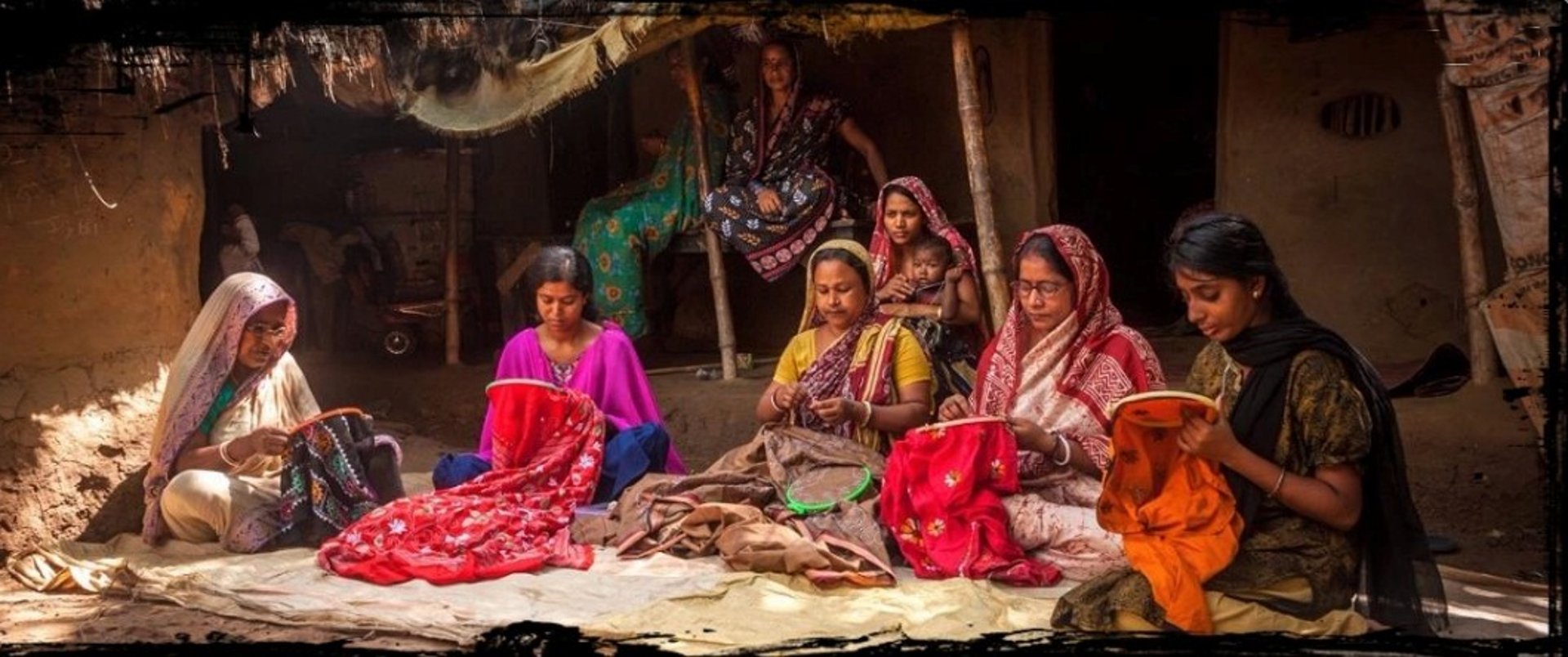
Project rangamaati
Helps YOU connect with Slow Sustainable Fashion over Mass-Production to SAVE Natural Resources, Raw Material and reduce Wastage and impulsive Consumption.
Established in 2013 in Kolkata, West Bengal, Project Rangamaati is a leading online craft store in India, Operating under a fully integrated inventory model. This approach ensures that all products are carefully handled and shipped directly from our Central Hub, reflecting our unwavering commitment to Authenticity and Quality. Project Rangamaati stands as a trusted authority in Traditional Indian Crafts, offering Customers an Authentic connection to India’s rich Artisanal Heritage.
Subscribe to our newsletter
sanjayg@rangamaati.com
+91-9804-219-546
© 2026. All rights reserved | Project rangamaati.
Support our Crowdfunding
May We Help You
Track Your Order
Terms & Conditions
Bulk Orders.
Quick Links
Organisation
projectrangamaati@gmail.com
Got a Question? Call

Love to hear from You
Our B2C Partners
Men's Collection
WE SUPPORT SILK, HANDLOOM & HANDICRAFTS PRODUCTS ALL ALONG PRACTISING FAIR TRADE AT A FAIR PRICE.

Press & Media
+91-8902-152-405