Discover Unique Handloom & Handicrafts of INDIA all along Empowering the Artisans !

Distinguishing Authentic Handicrafts from Machine-Made Imitations: Key Indicators
Slight irregularities in weave, print, or shape. No two pieces are 100% identical. Imitation: Perfectly uniform, symmetrical, flawless finish. Machine precision gives it away.
ARTS, CRAFTS & HANDICRAFTS
Prof.Subhronil Samaddar - Jadavpur University.
10/6/20268 min read


Understanding Handicrafts vs. Machine-Made Products
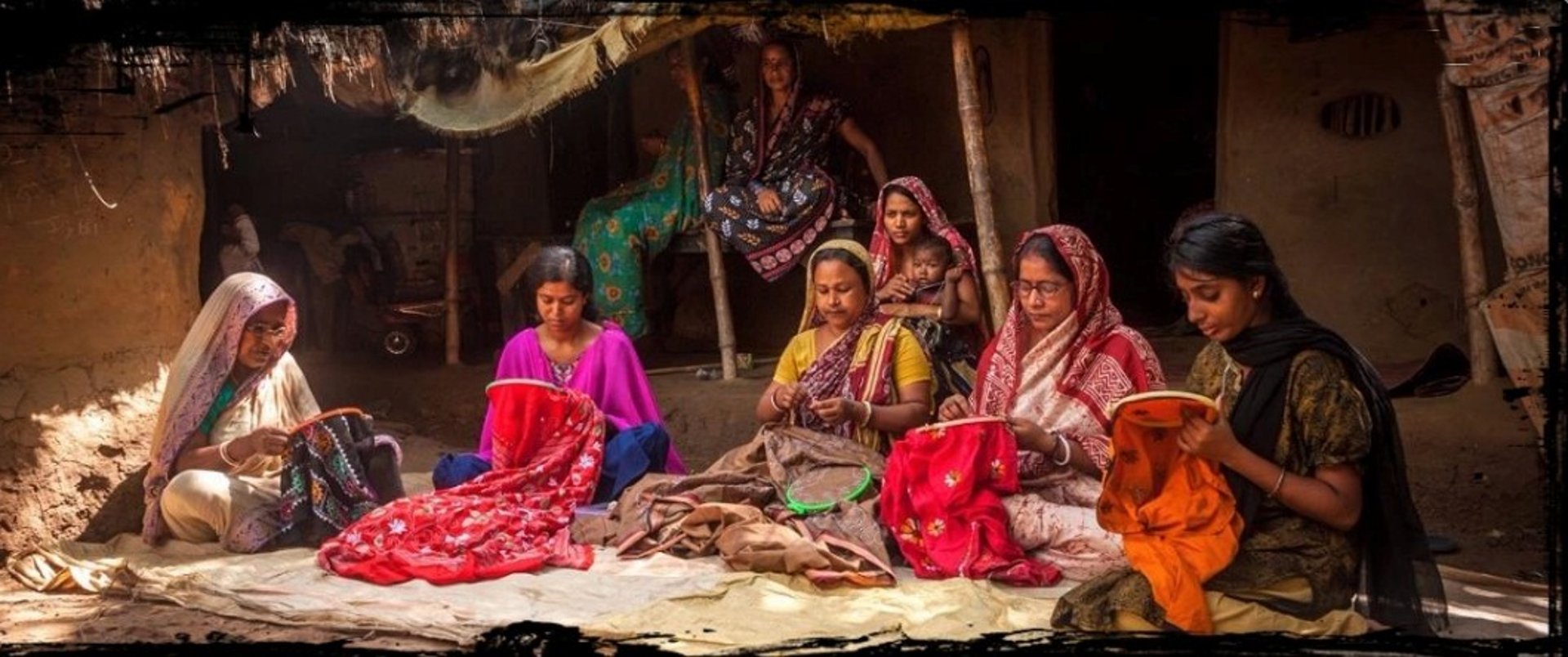
Handicrafts are items created through traditional methods, often by hand, which imbue each piece with unique characteristics and qualities. These products typically involve intricate craftsmanship, where artisans employ time-honored techniques passed down through generations. Handcrafted items can vary significantly, reflecting the skill and creativity of the maker. The artistry involved enables the inclusion of personal touches and variations that distinguish each item, providing a story behind the craftsmanship and often connecting it to a specific culture.
On the contrary, machine-made products stem from industrial processes, wherein production is optimized for speed and uniformity. These items are typically manufactured in bulk, leading to a homogeneity that lacks the individual artistry found in handicrafts. The machinery used in production allows for precision, creating items that conform to standardized dimensions and specifications, thereby minimizing variations. Although this method can enhance efficiency and lower costs, it often sacrifices the personal narrative and uniqueness inherent in handcrafted creations.
One notable difference lies in the materials employed; artisans generally use natural or locally sourced components, imparting a sense of authenticity to their work. In contrast, machine-made items often rely on synthetic materials that can be mass-produced, resulting in a less personal touch. Furthermore, the environmental impact of machine manufacturing tends to be more significant, as it contributes to resource depletion and waste production.
By understanding these fundamental differences between handicrafts and machine-made products, consumers can make informed decisions regarding their purchases, supporting artisans and promoting sustainable practices. Recognizing the value of craftsmanship not only fosters appreciation for traditional methods but also emphasizes the importance of investing in authentic, quality items.
Visual Characteristics of Handmade Items
When assessing whether a product is handmade or machine-made, distinct visual traits can serve as key indicators. One of the most significant characteristics of authentic handicrafts is their uniqueness. Unlike items produced en masse, handmade products often exhibit individual patterns and designs that set them apart. Each piece may present slight variations in color, texture, and shape, which can be attributed to the crafting process and the artisan's skill. This inherent uniqueness is often celebrated among collectors and consumers alike who appreciate one-of-a-kind items.
Imperfections are another hallmark of handmade products. While machine-made items are typically uniform and consistent, handmade goods may show minor flaws such as uneven stitching, irregular shapes, or slight color discrepancies. These imperfections are not seen as defects but rather as evidence of the craftsmanship involved in the creation of the item. They reflect the human touch that is integral to authentic handicrafts, making each piece distinctly personal.
The overall aesthetic of a handmade item also plays a vital role in distinguishing it from its machine-made counterparts. Handmade items often incorporate natural materials and handcrafted finishes that contribute to their visual appeal. Arts and crafts techniques may result in textures that feel organic and robust compared to the smoother finishes often seen in machine-manufactured alternatives. Furthermore, the choice of colors and patterns in handmade items is frequently influenced by the artisan's cultural background and creative expression, adding another layer of character.
In summary, when evaluating the authenticity of handicrafts, consumers can look for unique patterns, embrace imperfections, and appreciate the overall aesthetic that reflects the artisan's skill. Such visual characteristics are essential in determining whether a product is genuinely handcrafted or a machine-made imitation, ensuring that buyers make informed choices that support artisan craftsmanship.
Texture and Material Analysis
In the world of handicrafts, the texture and materials used play a crucial role in determining authenticity. Genuine handcrafted items often exhibit a tactile quality that is distinct from machine-made alternatives. One of the first indicators is the feeling of the material; authentic items may have slight imperfections due to the handmade process, giving them a unique character. For example, the irregularities seen in handcrafted pottery or fabric can indicate skilled craftsmanship, while uniformity in shape or surface may suggest a factory-made product.
Common materials used in authentic handicrafts include natural fibers like cotton, wool, and linen, as well as woods, clay, and metals. Each material has its texture, which can help in distinguishing genuine crafts from imitations. For instance, real wood grain will show variations in color and texture, whereas synthetic versions may appear overly smooth or uniformly colored. When examining textiles, the feel of the fabric can be telling; naturally woven fabrics tend to be softer and more breathable compared to synthetic blends.
Another aspect to consider is the durability of the material. Authentic handicrafts are typically constructed with care, utilizing high-quality materials that can withstand the test of time. You may feel for indicators of quality such as weight, sturdiness, and overall finish. For example, a hand-carved wooden item should feel solid and heavy, whereas a lightweight counterpart might hint at a mass-produced version. It is also worthwhile to examine how components are joined; genuine handicrafts often use traditional techniques like stitching or dovetail joints, in contrast to the synthetic adhesives commonly found in machine-made goods.
As you inspect an item, consider how all these elements come together. The combination of texture, material choice, and overall craftsmanship provides valuable clues for assessing the authenticity of handicrafts. Thus, a thoughtful examination of these aspects can greatly enhance one’s ability to identify true handmade art from its imitations.
Craftsmanship Techniques and Signs of Skill
Authentic handicrafts are distinguished by unique craftsmanship techniques that reflect the artisan's skills and invested time. Understanding these techniques can empower buyers to recognize true craftsmanship, as well as appreciate the value embedded in handmade products. Each piece often incorporates a variety of methods, each requiring different levels of expertise and dedication.
One primary technique is hand weaving, commonly observed in fabrics and textiles. Artisans who specialize in this method create intricate patterns and textures, using traditional looms or even hand techniques. The resulting fabric often displays unevenities that signify the artisan's touch, as opposed to the uniformity of machine-made products. This distinctive quality can serve as a hallmark of authenticity.
Woodworking represents another area where craftsmanship shines. Skilled woodworkers utilize various tools to create fine details in their products, such as furniture, carvings, or toys. A telltale sign of genuine craftsmanship in wooden items is the presence of dovetail joints, which illustrate the joinery techniques employed by the artisan. Moreover, the choice of wood and finish can also indicate the skill level of the maker, as handmade products often utilize high-quality materials and finishes that are not commonly found in mass-produced goods.
Moreover, metalwork techniques, such as hand-forging, can significantly enhance the authenticity of a product. Artisans often use traditional methods to shape and finish metal items, which can lead to unique imperfections or variations in the surface. These elements serve as signs of skill and are often absent in machine-made alternatives.
Overall, recognizing the signs of skill and the craftsmanship techniques evident in authentic handicrafts is essential for discerning buyers. By paying attention to the details and imperfections that reflect an artisan's effort, one can appreciate the artistry and value of these unique pieces. Such knowledge is significant not only for enhancing personal purchases but also for supporting sustainable and ethical artisanal practices.
Pricing: Gauging Authenticity Through Cost
Pricing plays a vital role in discerning authentic handicrafts from machine-made imitations. The cost of a product often reflects the quality of materials used, the craftsmanship involved, and the time invested in creating the item. Genuine handicrafts, which typically require a significant amount of manual labor and artistic skill, tend to be priced higher than their mass-produced counterparts.
When evaluating the price of handicrafts, it is essential to recognize the typical pricing ranges associated with various forms of artwork. For instance, items such as handmade pottery, textiles, or wood carvings generally come with a price point that corresponds to the intricacy of the design and the level of labor involved. Higher prices often indicate that artisans have devoted considerable time and resources to ensure a unique product, whereas artificially low prices may suggest that an item is machine-made.
A low price can be a red flag when assessing the authenticity of handicrafts. If a product is being offered at a rate that seems too good to be true, it is prudent to investigate further. Authentic items are rarely priced inexpensively, as the materials and skills needed to create them naturally incur higher costs. Buyers should also consider variations in pricing across different regions, as local economies and availability of materials can impact the costs associated with authentic handicrafts.
Additionally, understanding the standard pricing for specific types of crafts can serve as a benchmark during the purchasing process. For instance, handcrafted jewelry may range significantly in price, depending on the materials used, but a significant deviation from the average cost could signal a lack of authenticity. In conclusion, while price alone should not determine the authenticity of a handicraft, it is indeed a powerful indicator when considered alongside other factors such as craftsmanship and sourcing. Awareness of fair pricing practices can help consumers make informed decisions in the marketplace.
Authenticity Guarantees and Certificates
Authenticity guarantees play a crucial role in the market for handicrafts, as they help consumers distinguish between true handmade items and machine-made imitations. These guarantees can come in various forms, including documentation, certificates of origin, or even labels attached to the products. When purchasing handicrafts, it is essential to consider these forms of verification, as they provide assurance that the item is genuine and crafted by skilled artisans.
Certificates of origin particularly serve as vital tools in identifying the provenance of handicraft products. They indicate where and how the item was made, ensuring that buyers are informed about its origins. A credible certificate of origin will detail the specific techniques and materials used, highlighting the craftsmanship involved in the creation of the item. Additionally, these documents often include the artisan's or workshop’s background, adding a personal touch that reflects the cultural heritage associated with the product.
When seeking items with authenticity guarantees, it is important for consumers to inquire about the certification process. Buyers should ask sellers to provide detailed information regarding the legitimacy of the guarantees, including which organization issued them and the criteria they follow to certify a product. This direct engagement not only enhances buyer confidence but also fosters transparency in the marketplace.
Moreover, credible sources of certification can be found through reputable organizations that uphold standards for handmade goods. Many of these entities are committed to protecting the integrity of traditional craftsmanship and preserving cultural practices. By purchasing from sellers who provide recognized authenticity guarantees, consumers can support genuine artisans and sustain handicraft industries. In conclusion, understanding and seeking out authenticity guarantees and certificates when shopping can ensure you are investing in quality handmade items that hold true value.
Conclusion: Making Informed Purchases
In concluding our exploration of how to distinguish authentic handicrafts from machine-made imitations, it is imperative to synthesize the insights garnered from the preceding sections. As we have established, the unique characteristics of genuine handicrafts often lie in their intricate details, the artisanal techniques employed, and the quality of materials used. Recognizing these attributes is essential for consumers aiming to make informed purchases.
When looking to support authentic artisans, one effective strategy is to research the background of the artisans. Understanding their story, the tradition behind the craft, and the techniques used can provide invaluable context to your purchase. This connection enriches the experience and ensures that consumers appreciate the labor and creativity embodied in each piece. Additionally, purchasing directly from artisans or reputable craft fairs often guarantees the authenticity of the product.
Another consideration is the price point. While it is important to remain mindful of your budget, excessively low prices can be indicative of machine-made products rather than genuine handicrafts. Authentic items often reflect the time, skill, and resources invested in their creation. Educating oneself about fair pricing for handicrafts can aid in discerning quality items from inferior imitations.
Moreover, examining the piece closely for signs of craftsmanship can also be revealing. Look for irregularities that indicate handwork, as these are markers of authenticity. In contrast, machine-made items usually present a uniformity that lacks the unique qualities of handcrafted goods. Finally, engaging with artisan communities online or in local markets can offer additional insights and recommendations regarding where to find genuine handicrafts.
To summarize, the key to making informed purchases lies in knowledge, attention to detail, and support for artisans. By employing the strategies discussed, consumers can confidently navigate the marketplace and contribute to a vibrant community of genuine craftsmanship.
Project rangamaati
Helps YOU connect with Slow Sustainable Fashion over Mass-Production to SAVE Natural Resources, Raw Material and reduce Wastage and impulsive Consumption.
Established in 2013 in Kolkata, West Bengal, Project Rangamaati is a leading online craft store in India, Operating under a fully integrated inventory model. This approach ensures that all products are carefully handled and shipped directly from our Central Hub, reflecting our unwavering commitment to Authenticity and Quality. Project Rangamaati stands as a trusted authority in Traditional Indian Crafts, offering Customers an Authentic connection to India’s rich Artisanal Heritage.
Subscribe to our newsletter
sanjayg@rangamaati.com
+91-9804-219-546
© 2026. All rights reserved | Project rangamaati.
Support our Crowdfunding
May We Help You
Track Your Order
Terms & Conditions
Bulk Orders.
Quick Links
Organisation
projectrangamaati@gmail.com
Got a Question? Call

Love to hear from You
Our B2C Partners
Men's Collection
WE SUPPORT SILK, HANDLOOM & HANDICRAFTS PRODUCTS ALL ALONG PRACTISING FAIR TRADE AT A FAIR PRICE.

Press & Media
+91-8902-152-405