Fishnet Mesh Checks Natural Indigo Dyed Hand-Woven Cotton Fabric - [2.5Mtrs]

Organic Hand-Dyed Hand-Woven Cotton Fabric

₹1238.00₹950.00

Out of stock

Classic Checks Indigo Dyed HandWoven Summer Cool Cotton Fabrics .

Features of the Product:

  • Eco-Friendly & Sustainable

  • Natural Cooling Properties

  • Antibacterial & Hypoallergenic

  • Soft & Luxurious Texture

  • Breathable & Odor-Resistant

  • Provides UV Protection.

  • Enzyme-Softened and Pre-Shrunk.

  • Crafted in INDIA; Hand Dyed & Handwoven in Bengal.

  • Values – 100% Natural & Biodegradable, Artisanal, and Supports Sacred Economy.

We collaborate directly with these artisans, offering them a fair wage, enabling them to sustain their craft and create eco-friendly products without any machinery. Purchasing this item contributes to the livelihood of the Dyers & Weavers communities in Bengal, India.

Organic Indigo Handdyed Handwoven 32/56 DT Checkered Cotton Fabrics. Natural Indigo Checks Fabric from rangamaati is 100% Natural Cotton Handdyed and Handwoven by Dyers and Weavers in Bengal. Suitable for Shirts, Kurtas, suitings and Dresses for year round wear.
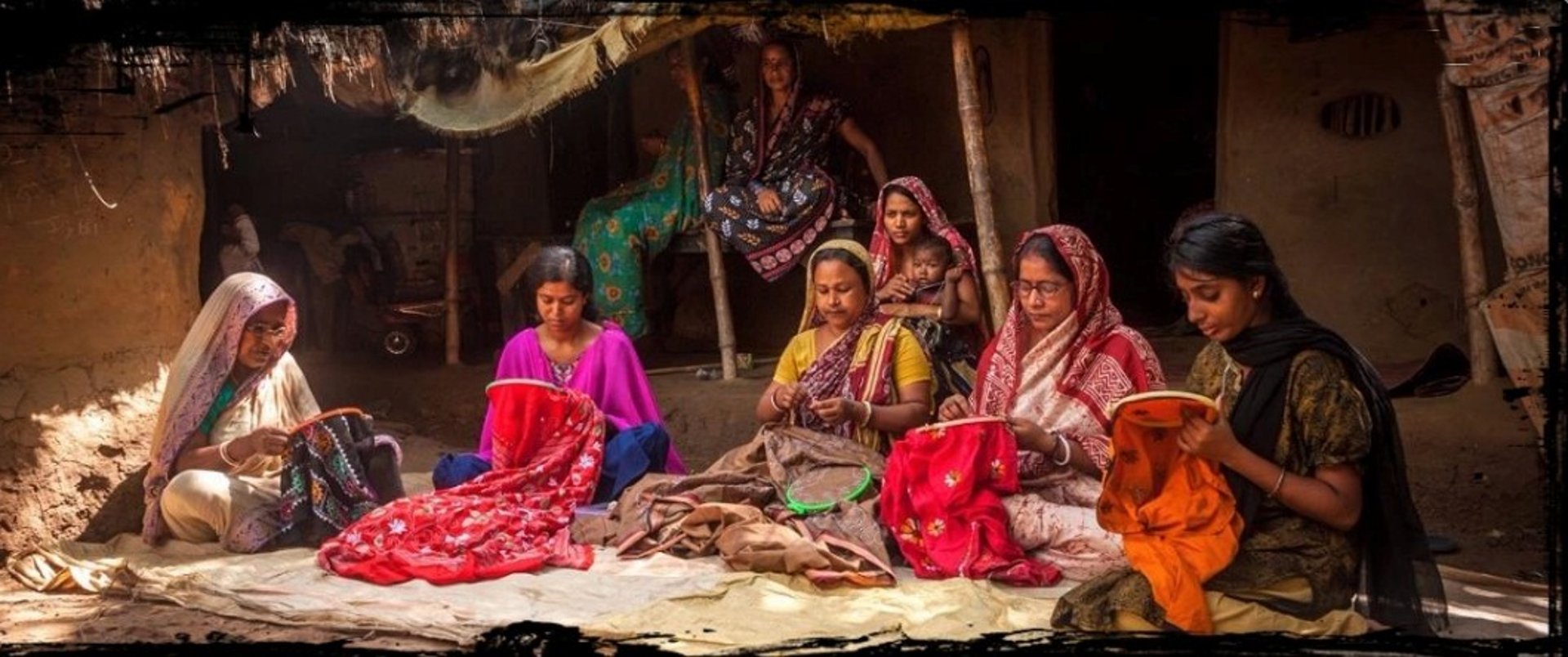
Premium Hand Spun Cotton Yarns HandDyed using Vegetable/ Natural Dye [ INDIGO ] then HandWoven into fabrics suitable for all clothing purpose.

Width : 47" inches

Lenght : 1 unit (2.5 Mtrs)

Fabric Count : 32/56 DT [ Double Twist ]

GSM :  150 grams.

Transparency : 0%

Shrinkage : 0%

All of our fabrics are subjected to multiple washes during both the yarn and fabric stages. This process ensures improved dye penetration, eliminates any impurities in the yarn, and also pre-shrinks the fabric during the finishing phase to prevent additional shrinkage in the final textiles.

Composed mainly of organic 32/56 DT Cotton fibers (the basic fabric) and molecules of indigo dye that are embedded into and on the surface of the fibers. The dyeing procedure involves converting the indigo dye into a soluble, yellowish form, which allows it to be absorbed by the cotton. When the fabric is exposed to air, the indigo changes back to its insoluble blue form, trapping it within the cotton fibers.

Width : ( 45” -47"inches )

Length : 1 Unit (2.5 Mtrs )

All of our fabrics are subjected to multiple washes during both the yarn and fabric stages. This process ensures improved dye penetration, eliminates any impurities in the yarn, and also pre-shrinks the fabric during the finishing phase to prevent additional shrinkage in the final textiles.

Dye type : (Natural, Plant-based -[ IndigoFerra Tinctoria ] ).

Color :  Navy Blue .Slight difference in colour from the visible product image is possible.

Proudly INDIA

To preserve their beauty, Naturally Dyed fabrics require careful handling.

Washing: 

  • Use cold water and a few drops of a mild, pH-neutral detergent.

  • Do not soak for long—Fabrics weakens when left in water.

  • Wash gently without rubbing or wringing.

 Drying: 

  • Never wring or twist Cotton to remove water. Lay flat on a clean towel and roll to absorb moisture.

  • Dry in shade, away from direct sunlight, which can cause fading. Avoid tumble dryers.

 Ironing: 

  • Iron on low heat (Cotton setting) while still slightly damp. Place a thin cotton cloth between the iron and the fabric.

  • Use steam lightly to remove wrinkles—avoid direct spray of water.

Storage:

  • Wrap in brown paper , avoid plastic covers.

  • Keep in a cool, dry place. Refold periodically to prevent permanent creases.

Dyeing Cotton Yarns with Natural Organic Indigo — Step-by-Step (Pointwise)

1. Preparation of Cotton Yarns

* Scouring the yarns to remove oils, waxes, and impurities.

* Rinsing thoroughly to ensure complete removal of detergents.

* Drying or keeping slightly moist, depending on vat method.

* Skeining or tying yarns loosely to allow full dye penetration.

---

2. Preparing the Natural Indigo Dye

* Selecting natural organic indigo derived from plants such as Indigofera tinctoria.

* Grinding the indigo pigment into a fine powder if not already processed.

* Creating a paste (slurry) by mixing the powder with warm water.

* Ensuring even dispersion to avoid specks of undissolved pigment.

---

3. Setting Up the Indigo Vat (Reduction Process)

* Choosing a vat type: traditional fermentation vat, fruit-sugar vat, henna vat, or hydros vat (eco-friendly reducers preferred).

* Adding natural reducing agents such as fructose, jaggery, or henna to convert indigo to its soluble form (leuco indigo).

* Adjusting pH—typically to 9–11 using lime (calcium hydroxide).

* Allowing the vat to rest, letting indigo reduce until the liquid turns yellow-green with a coppery surface sheen.

* Checking solubility to confirm the vat is ready for dyeing.

---

4. Dyeing the Cotton Yarns

* Wetting the yarns to remove trapped air and improve dye uptake.

* Immersing yarns slowly into the indigo vat to avoid introducing oxygen.

* Holding them submerged for several minutes, allowing leuco indigo to penetrate the cotton fibers.

* Removing yarns carefully, again minimizing agitation and oxygen exposure within the vat.

---

5. Oxidation

* Allowing the yarns to hang in open air, where the leuco indigo reacts with oxygen.

* Watching the color change from greenish-yellow to blue as oxidation occurs.

* Repeating dip-and-oxidize cycles multiple times to achieve deeper shades.

* Ensuring full oxidation between dips to maintain colorfastness.

---

6. Washing and Soaping

* Rinsing the dyed yarns thoroughly to remove unfixed indigo particles.

* Soaping with mild detergent at warm temperatures to enhance color fastness.

* Final rinsing until water runs clear.

All fabrics dyed with Natural Dyes may bleed during the initial washes. The more saturated the color, the greater the probability.

For the first several washes, wash items separately. Dark colors may transfer to lighter ones; it’s recommended to wash dark items separately.

Avoid exposing these fabrics to direct sunlight or intense lighting.

Keep them away from direct application of perfume and deodorant, as the alcohol content can bleach the natural dyes and diminish their beauty.

 Pro Tip: Slight color bleeding during the first few washes is normal—it’s part of the appeal of vegetable-dyed, eco-friendly fabrics. Handle with care, and they will develop character beautifully.